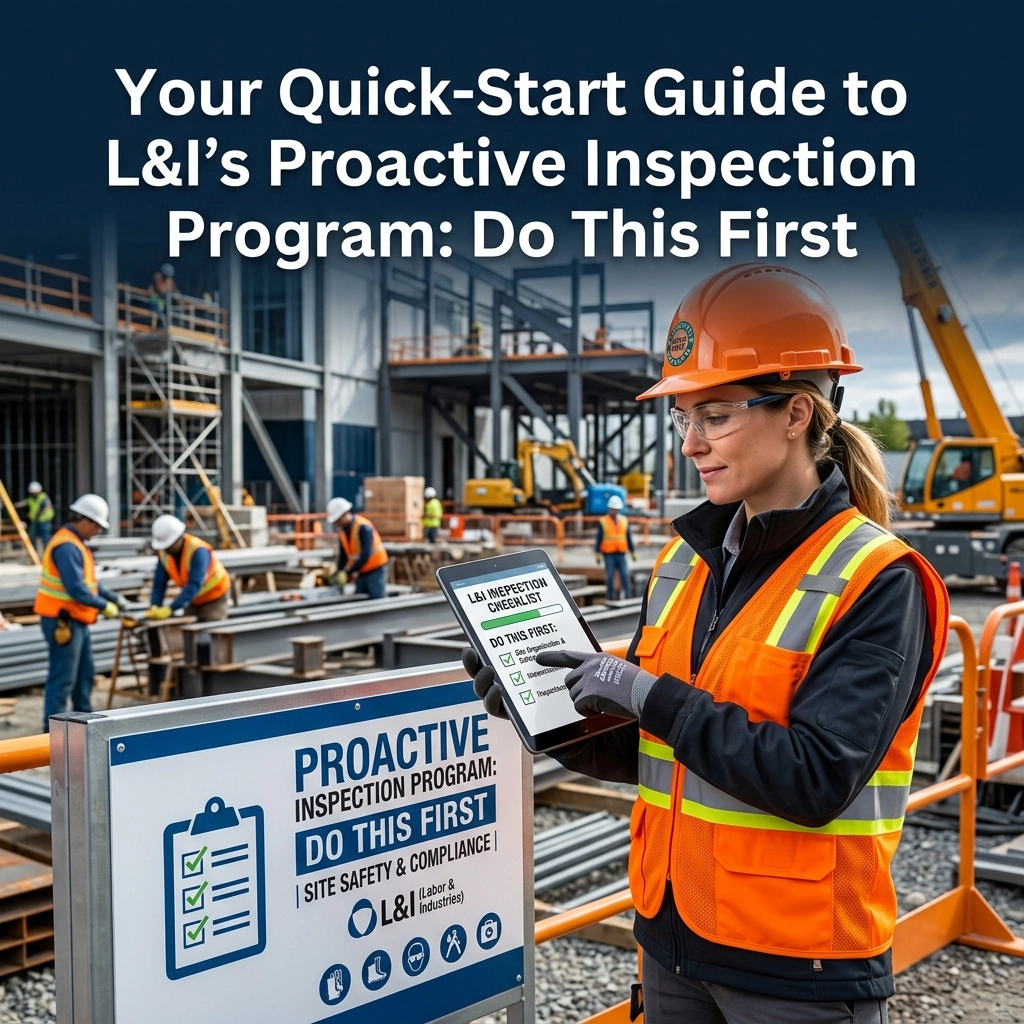
For decades, the Philadelphia Department of Licenses and Inspections (L&I) operated primarily on a complaint-based system. If a tenant didn't call 311, chances are an inspector wasn't knocking on your door unless you were pulling permits for major renovations. But the landscape of Philadelphia property management has shifted beneath our feet.
The introduction of the Proactive Rental Inspection Program marks a new era for landlords and property managers across the city. L&I is no longer waiting for a problem to be reported; they are coming to ensure the problem never starts. For many owners, this feels like a looming shadow over their ROI. However, at C&A Property Services, we see this as an opportunity to stabilize your investment and avoid the "violation cycle" that drains bank accounts.
If you’ve received a notice or simply want to stay ahead of the curve, this guide outlines exactly what you need to do first to protect your property and your peace of mind.
What is the Proactive Rental Inspection Program?
The core mission of this program is simple: to ensure that all rental units in Philadelphia meet the basic requirements for safety and habitability. Instead of reacting to disasters, L&I is now systematically inspecting residential rental properties. They are focusing on specific tiers of properties, often beginning with those in high-density areas or neighborhoods with historically high violation rates.
Under this program, an inspector will walk through your unit and common areas, looking for everything from functional smoke detectors to structural integrity. If you fail, you don't just get a "fix-it" list; you get a timeline, potential fines, and the threat of having your rental license revoked.

The "Do This First" Strategy: The Internal Audit
If you are waiting for the L&I inspector to show up before you look at your property, you’ve already lost the game. The very first thing you must do is perform a comprehensive internal audit.
Most landlords fail inspections not because of massive structural collapses, but because of "death by a thousand cuts": small, avoidable issues that signal a lack of oversight. Before the city sets foot on your stairs, you should have already walked them with a critical eye.
1. Verify Your Documentation
Before a physical inspection even begins, L&I will check your paper trail.
- Rental License: Is it current?
- Certificate of Rental Suitability: Did you issue this to your tenant at the start of the lease?
- Lead-Safe/Lead-Free Certification: In Philadelphia, this is no longer optional for properties built before 1978. If you don't have this, your inspection is over before it begins. You can learn more about how to beat costly code violations in Philadelphia by getting your paperwork in order first.
2. The Five-Point Physical Check
Walk through every unit and check the following:
- Life Safety: Are there working smoke detectors on every level and in every bedroom? Is there a carbon monoxide detector within 15 feet of sleeping areas?
- Egress: Are windows operable? Are hallways clear of "junk" or tenant belongings? (See our guide on Philadelphia junk removal mistakes to keep your egress points clear).
- Utilities: Are there exposed wires? Is the plumbing leaking under the sink?
- Structural: Are there cracks in the ceiling or "spongy" floors?
- Sanitation: Is there evidence of pest infestation or mold?
A Throwback Case File: The 1996 North Philly "Minor" Leak
To understand why L&I is getting proactive, we only have to look back at the history of Philly real estate. In the summer of 1996, a property manager in North Philadelphia ignored a "minor" roof leak in a three-story walk-up. The tenant didn't complain because the rent was low, and the manager wanted to save on repair costs.
Over six months, that leak rotted the joists of the third floor. During a heavy snowstorm the following winter, the roof partially collapsed, pancaking the third floor into the second. Miraculously, no one was killed, but the resulting L&I violations and subsequent lawsuits totaled over $150,000: all for a leak that would have cost $800 to patch in 1996.
This is exactly what the Proactive Inspection Program is designed to prevent. By forcing owners to address the small things, the city is preventing the catastrophic failures that lead to headlines and lawsuits. Don't let your property become a "case file." Check out how to stop bleeding money on preventive maintenance mistakes.
Why This Matters Now: The Safe Healthy Homes Act
The Proactive Inspection Program is closely tied to the "Safe Healthy Homes" proposals currently circulating through City Council. The city is tightening the belt on 7 key inspection changes. We are seeing a shift toward a "Pass/Fail" mentality where there is very little room for negotiation.
If you are a property manager juggling 15 different vendors to handle these repairs, you are likely missing something. One vendor fixes the leak, but leaves the mold. Another fixes the drywall, but forgets to check the smoke detector. This fragmentation is where violations thrive.
The C&A Advantage: Proactive Maintenance
At C&A Property Services, we specialize in being the "one-stop shop" for Philadelphia property managers. We don't just fix what's broken; we look for what's about to break.
Our team understands the specific nuances of the Philadelphia code. When we perform a turnover or a maintenance check, we aren't just looking at the work order: we are looking at the property through the lens of an L&I inspector. This proactive approach is the only way to survive the new inspection climate. Instead of struggling with $4,000 turnover costs, a partnership with C&A allows you to streamline compliance and maintenance into one predictable workflow.

Checklist: Preparing for Your L&I Visit
If you know an inspection is coming, follow this sequence:
- Schedule a Pre-Inspection: Have a professional team like C&A walk the property two weeks before the city arrives.
- Clear the Common Areas: Ensure no trash, old furniture, or debris is blocking hallways or basement exits.
- Check All Lighting: Ensure all common area lights and exterior security lights are functioning.
- Test the Alarms: Don't just look at them. Press the button. Change the batteries. It’s the #1 reason for a failed inspection.
- Review Tenant Habits: Sometimes tenants accidentally create violations (e.g., using a stove for heat or blocking a fire exit). Communicate with them early.
For a deeper dive into these specifics, read our guide on violation compliance secrets.
The Hidden Cost of "Waiting and Seeing"
Many owners think they can save money by waiting for the inspector to tell them what’s wrong. This is a dangerous gamble.
- Fines: Re-inspection fees and fines for non-compliance start high and escalate quickly.
- Legal Liability: If a tenant is injured in a unit with an active L&I violation, your insurance may refuse to cover the claim.
- Loss of Income: If your rental license is suspended, you cannot legally collect rent in the city of Philadelphia.
Being proactive isn't just about following the law; it's about protecting your cash flow. Whether you are managing a single-family home in Fishtown or a large multi-family complex in West Philly, the rules are the same.
Final Thoughts: Getting Ahead of the Curve
The Proactive Rental Inspection Program doesn't have to be a disaster for your business. By taking the "Do This First" approach: auditing your own properties and partnering with a reliable service provider like C&A Property Services: you can turn a potential headache into a routine maintenance check.
Don't wait for the city to find your mistakes. Find them yourself, fix them once, and get back to the business of growing your portfolio.
For more tips on navigating the Philadelphia market, explore our Property Blog or reach out to us directly at capropserv.com to schedule your preventive maintenance assessment. Let's make sure your next inspection is a "Pass" on the first try.
Leave a Reply