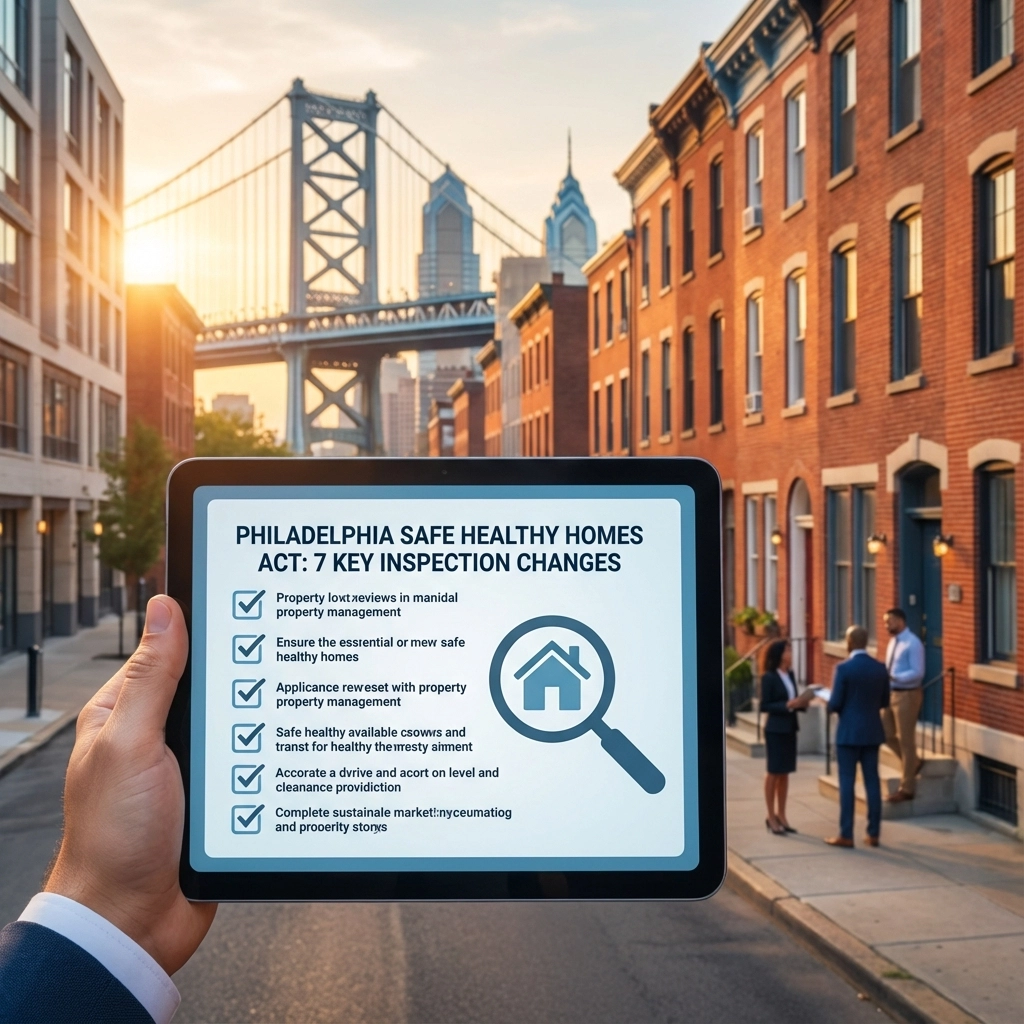
Philadelphia's housing landscape is shifting, and property managers need to stay ahead of the curve. The Safe Healthy Homes Act represents the most significant change to rental property inspections and compliance in years. While some components are already in effect and others are pending, understanding these changes now will save you headaches and money down the road.
1. The Shift from Reactive to Proactive Inspections
The biggest game-changer is Philadelphia's move away from complaint-based inspections. Under the proposed "Right to Repairs" legislation, the Department of Licenses and Inspections (L&I) would launch a proactive rental inspection program instead of waiting for tenant complaints to trigger visits.
This means your properties could be inspected whether or not tenants report issues. Think of it like a scheduled health checkup versus waiting until you're sick to see a doctor. For property managers, this shift requires a completely different maintenance strategy: one focused on prevention rather than reaction.

What this means for you: Start conducting your own regular property inspections now. Identify and fix issues before L&I shows up at your door. Properties that are already well-maintained will breeze through proactive inspections, while those with deferred maintenance will face costly surprises.
2. Licensing Consequences for Violations
Here's where things get serious. Problem landlords' license renewals will now be directly tied to their L&I violation records. This creates immediate business consequences for properties with outstanding code violations.
Previously, you might have been able to juggle violations and renewals separately. Not anymore. Clean L&I records become essential for maintaining your ability to operate rental properties in Philadelphia.
The bottom line: Outstanding violations can now prevent license renewal. This makes compliance not just about avoiding fines: it's about staying in business.
3. Updated Fire Safety Requirements
Current Philadelphia housing code mandates specific fire safety equipment that many property managers still get wrong. Each dwelling unit must have fire extinguishers rated 1-A:10-B:C. This isn't a suggestion: it's a requirement that inspectors will check.
Many property managers assume smoke alarms alone meet fire safety requirements. They don't. The fire extinguisher requirement is separate and non-negotiable.
Pro tip: Purchase extinguishers in bulk and schedule annual inspections. It's cheaper to maintain compliant equipment than to scramble during an inspection or deal with violations.
4. Precise Smoke Alarm Placement Standards
Smoke alarm placement has specific distance requirements that trip up many property managers. Alarms must be positioned at least 20 feet from cooking appliances. However, if your alarm has silencing capabilities, that distance drops to 10 feet. Photoelectric models only need 6 feet of clearance.
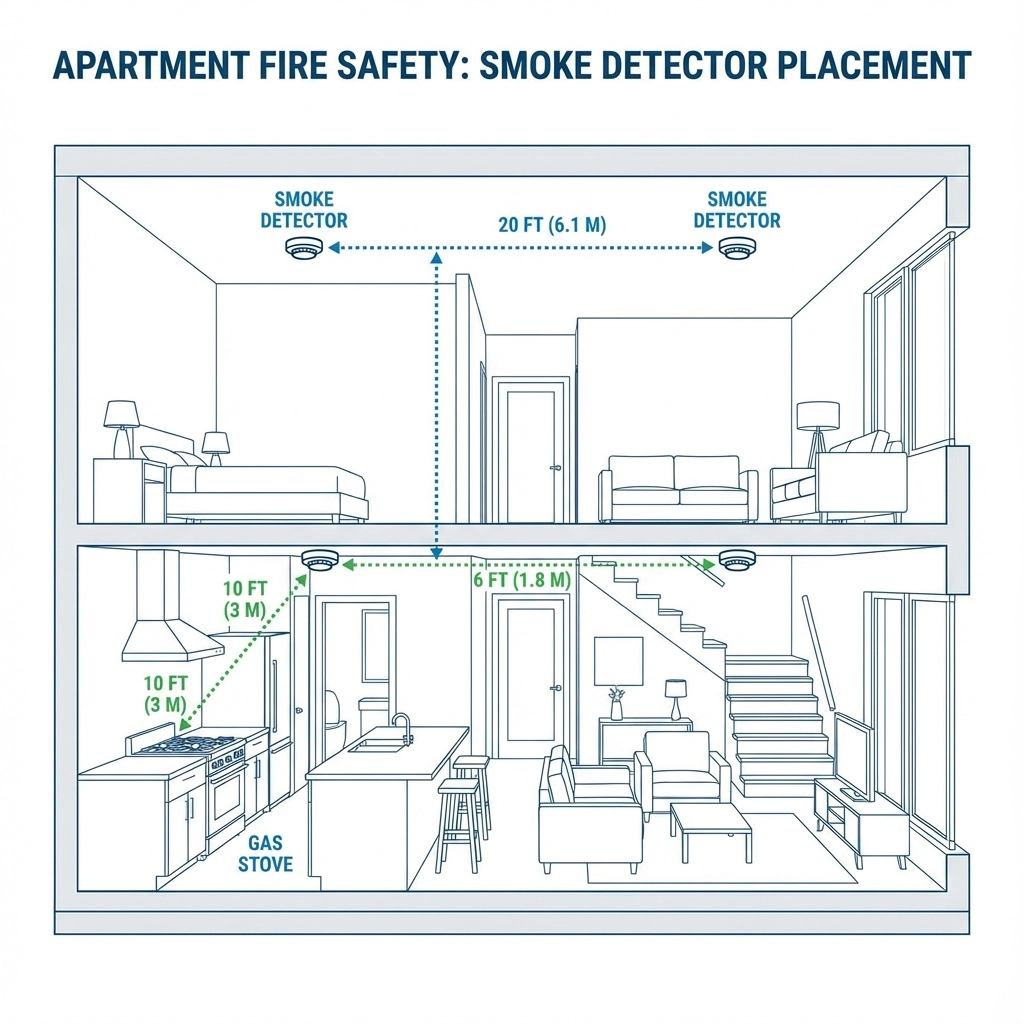
These aren't arbitrary numbers: they're designed to prevent false alarms while ensuring life safety. Incorrect placement leads to violations and potential liability issues if something happens.
Installation strategy: Map out your smoke alarm placement before installation. Measure distances from cooking appliances and document compliant positioning. This documentation helps during inspections and protects you legally.
5. Carbon Monoxide Detection Compliance
Carbon monoxide detectors are required outside sleeping areas and in bedrooms where fuel-burning appliances exist. Many property managers miss the bedroom requirement when units have gas ranges, water heaters, or heating equipment.
The key is understanding what constitutes a "fuel-burning appliance." Gas stoves, water heaters, furnaces, fireplaces, and even some dryers qualify. If it burns fuel and it's in or near a bedroom, you need CO detection.
Common mistake: Installing CO detectors only in hallways outside bedrooms while ignoring bedrooms with gas appliances. Both locations need coverage.
6. Central Heating System Standards
Philadelphia requires central heating systems that are safe, properly installed, and adequate for the entire unit. "Adequate" is the key word here: space heaters and window units don't count as central heating, even if they technically heat the space.
Inspectors will verify that heating systems can maintain comfortable temperatures throughout the unit, not just in one or two rooms. They'll also check for proper installation, ventilation, and safety features.
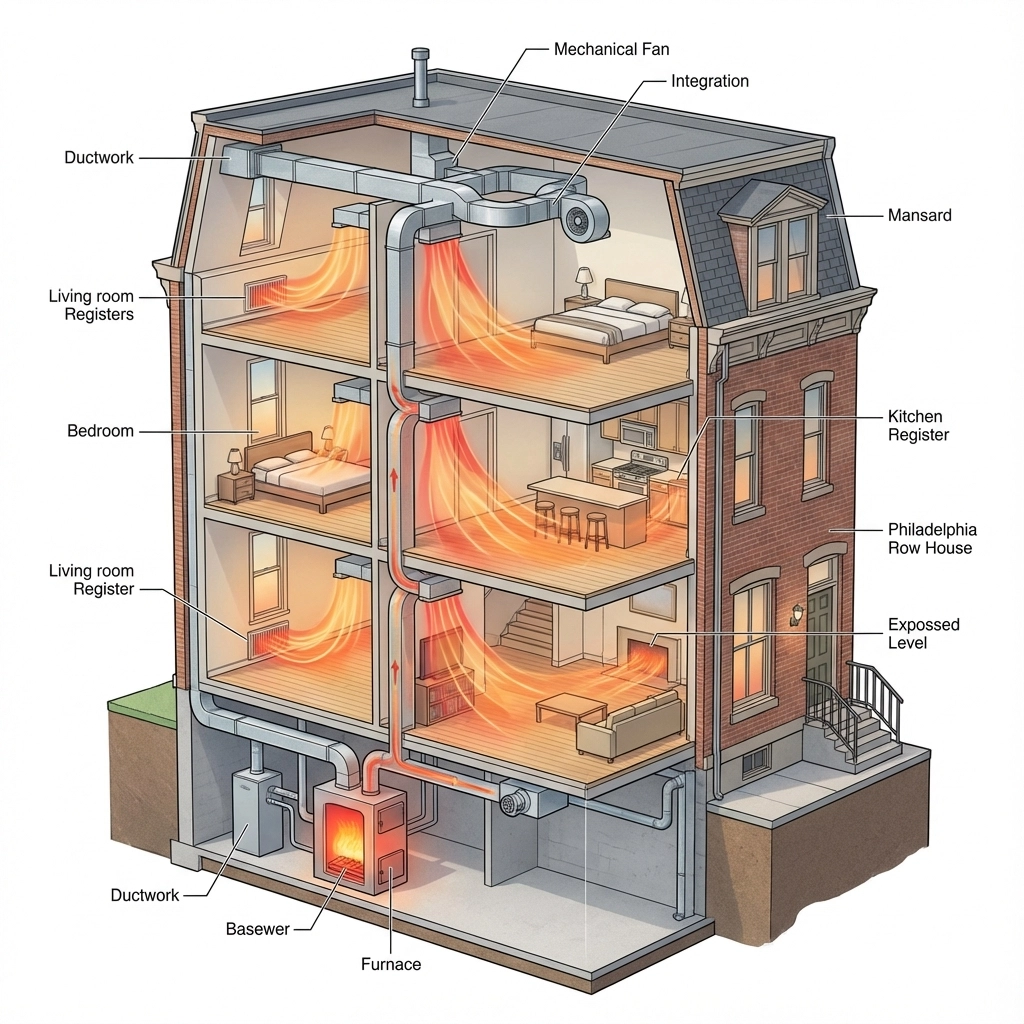
Upgrade consideration: If you're relying on supplemental heating, budget for central system installation. It's an investment that pays off through higher rents, better tenant retention, and inspection compliance.
7. Anti-Displacement Fund Implications
The one component of the Safe Healthy Homes Act already signed into law creates an Anti-Displacement Fund. This allows tenants to receive one-time payments if they must relocate due to negligent conditions discovered through inspections.
While this doesn't change inspection requirements directly, it significantly increases the financial stakes of code violations. Properties with serious violations that force tenant relocation now trigger additional costs beyond fines and repairs.
Risk management: Document all maintenance and repairs. Show proactive property care to demonstrate that any issues weren't due to negligence. This documentation becomes crucial if displacement claims arise.
Timeline and Preparation Strategy
The full inspection framework changes will likely be finalized after the early 2026 public hearing on remaining bills. However, current Philadelphia housing code standards remain in effect, and the proactive inspection program could launch sooner than expected.
Smart property managers aren't waiting for final implementation. They're preparing now by:
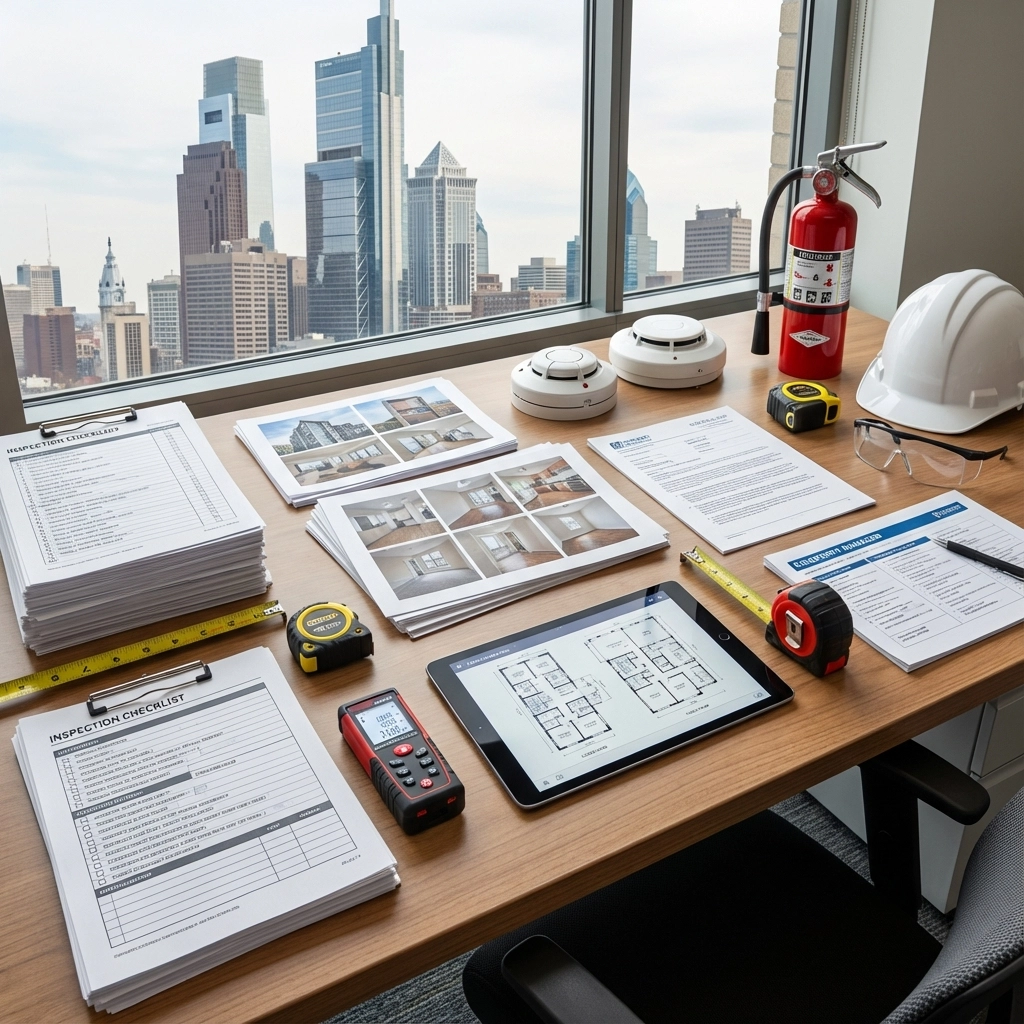
- Conducting comprehensive property audits
- Upgrading fire safety equipment
- Installing compliant smoke and CO detectors
- Documenting all maintenance and improvements
- Establishing relationships with reliable contractors
Getting Ahead of the Changes
The Safe Healthy Homes Act represents Philadelphia's commitment to proactive housing safety. Property managers who view these changes as opportunities rather than obstacles will gain competitive advantages through better-maintained properties, fewer emergency repairs, and smoother inspection processes.
The key is acting now rather than waiting for full implementation. Properties that meet today's standards and exceed them will handle tomorrow's requirements effortlessly.
Professional Support Makes the Difference
Navigating compliance requirements, coordinating multiple contractors, and maintaining properties across these new standards can quickly become overwhelming. Many successful property managers are consolidating their vendor relationships to ensure consistent, compliant service delivery.
If you're managing multiple properties or struggling to coordinate compliance across your portfolio, consider working with a comprehensive property services partner. Having one reliable team handle everything from routine maintenance to emergency repairs, compliance updates, and inspection preparation can transform how efficiently you operate.
Ready to streamline your property compliance and maintenance? Contact C&A Property Services to discuss how we can help you stay ahead of Philadelphia's evolving inspection requirements while reducing your workload and improving your properties' performance.
The Safe Healthy Homes Act is coming whether we're ready or not. The question isn't whether these changes will affect your properties: it's whether you'll be prepared when they do.
Leave a Reply