
Every day a rental unit sits vacant in Philadelphia costs you money: potentially hundreds of dollars in lost rent, plus cleaning, repairs, and marketing expenses that quickly add up. In 2025's competitive rental market, property managers who can execute lightning-fast turnovers have a massive advantage over those stuck in lengthy vacancy cycles.
The difference between a 10-day turnover and a 30-day turnover isn't just about efficiency: it's about protecting your bottom line and staying competitive in a market where tenants have choices.
Why Speed Matters More Than Ever in 2025
Philadelphia's rental landscape is evolving rapidly. With steady population growth among young professionals and families, plus low unemployment supporting market activity, demand remains strong. However, this same competitive environment means tenants can afford to be picky about where they live.
Every additional day your unit remains vacant is a day competitors are showcasing move-in specials, fresh renovations, and responsive management. The true cost of a slow turnover extends far beyond lost rent: you're also paying for utilities, insurance, and missed opportunities to capture quality tenants who won't wait around for your property to become available.

Understanding the Philadelphia Market Advantage
Philadelphia offers unique opportunities for property managers who can move quickly. Rents are projected to rise approximately 3% by year-end, with suburban properties seeing even stronger growth. However, this creates a dangerous temptation to hold units vacant longer, hoping to capture peak pricing.
Resist this urge. A unit earning nothing while you wait for the "perfect" rent amount costs more than the modest increase you might achieve. Fast turnovers at competitive rates consistently outperform slow turnovers at premium pricing.
The city's neighborhood variation also works in your favor if you're prepared. Areas like Center City and emerging neighborhoods command strong demand, but they also face competition from buildings offering concessions and upgrades. Properties that can turn over quickly while maintaining quality standards win more of these competitive situations.
Prevention: The Ultimate Speed Strategy
The fastest turnover is the one you never have to do. Before diving into rapid turnover tactics, focus on preventing unnecessary move-outs through proactive management.
Maintenance responsiveness tops the list of tenant retention factors. Philadelphia's Unfair Rental Practices rules add legal weight to this: unresolved code violations prevent rent increases and lease modifications until corrected. This makes proactive maintenance not just good customer service, but a business necessity.
Same-day triage for maintenance requests and reliable vendor dispatch significantly improve renewal rates. When tenants see that problems get addressed quickly, they're far more likely to stay put rather than test their luck elsewhere.
Flexible lease terms also reduce unnecessary turnover. Offering 9- to 15-month lease options, reasonable pet policies, and transparent fee structures help residents envision staying long-term. When renewal time comes, benchmark your pricing against comparable nearby units rather than pushing aggressive increases that drive tenants to shop around.

The 10-Day Turnover Blueprint
When turnover is unavoidable, success depends on systematic execution with clear timelines and vendor coordination. A 10- to 14-day standard is achievable for most properties, but only with proper planning and reliable partnerships.
Pre-Planning Phase (30-45 Days Before Vacancy)
Your turnover timeline actually begins before the tenant moves out. As soon as you know a unit will be vacant, start pre-leasing to create accountability for your availability date. This forces your turnover timeline but also ensures you have a tenant ready to move in immediately after work is complete.
Use this pre-planning period to alert your trusted vendors about the upcoming turnover. Reliable contractors who know they'll have work scheduled can often accommodate tighter timelines than vendors you're contacting for the first time during crunch time.
Move-Out Day (Day 0)
Schedule your comprehensive walkthrough inspection immediately after the tenant vacates. Don't wait: every hour counts when you're trying to minimize vacancy time. During this inspection, create a prioritized task list:
- Major repairs first: Plumbing, electrical, HVAC issues that require investor approval and longer timelines
- Cosmetic work second: Painting, patching, minor repairs that can happen while major work is being completed
- Professional services last: Deep cleaning and landscaping that put the finishing touches on the property
Document everything with photos. This creates accountability for your vendors and provides backup documentation if disputes arise later.
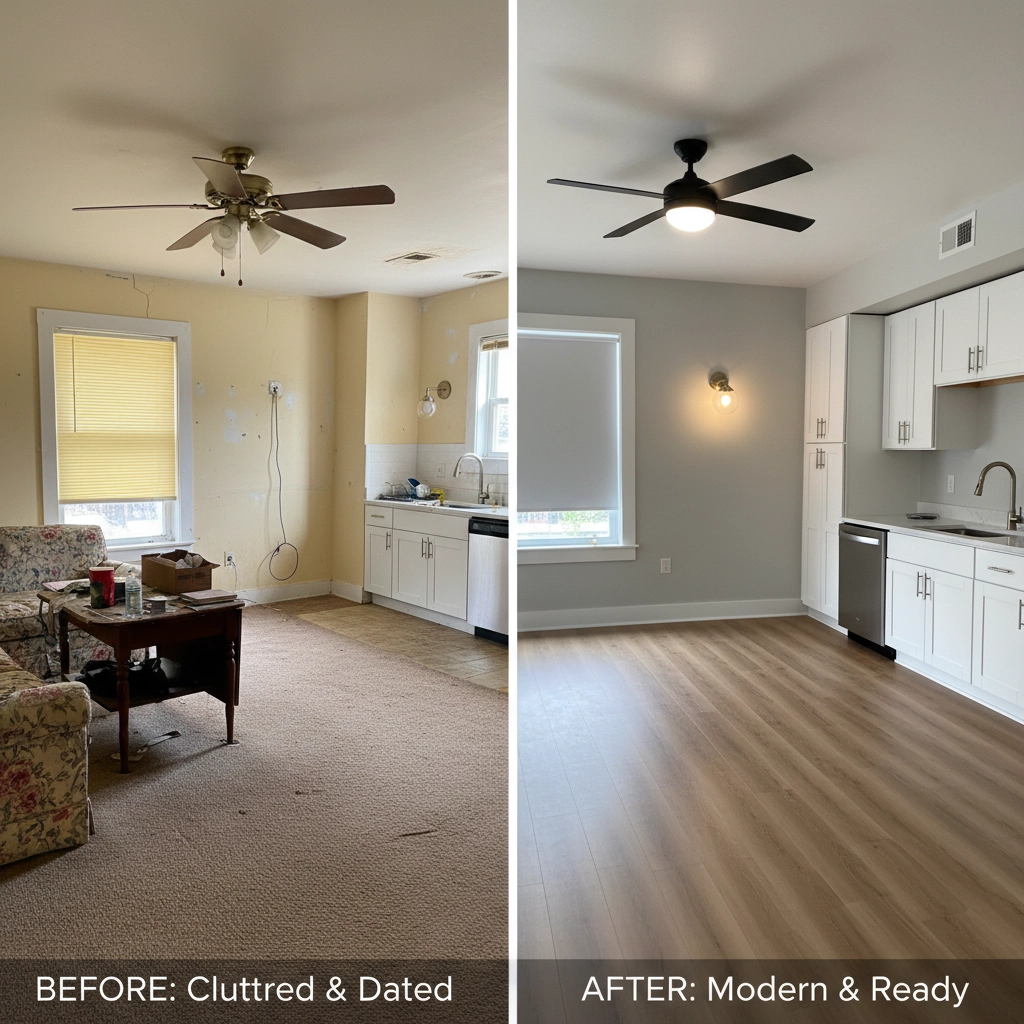
Days 1-7: Heavy Lifting Phase
The bulk of your turnover work happens in the first week. Major repairs, painting, and most maintenance should be completed during this window. Coordinate scheduling so different trades aren't working on top of each other: electricians before painters, painters before cleaners.
This is where vendor relationships make or break your timeline. Contractors who know your standards and trust your payment schedule will prioritize your work over property managers they haven't worked with before.
Days 8-10: Final Touches and Quality Control
Professional cleaning happens last, after all dust-generating work is complete. Schedule this immediately before your new tenant's move-in date to ensure maximum impact.
Use the final days for landscaping touches, final inspections, and any minor items that surfaced during the week. Your goal is to have everything truly move-in ready, not just "good enough."
Speed Optimization Strategies
Standardize your tracking system. Whether you use property management software or a detailed spreadsheet, monitor every unit in turnover with clear owners, deadlines, and task dependencies. This prevents important work from falling through cracks and enables quick follow-up when delays arise.
Build vendor accountability. Consistent follow-up signals that you respect timelines and understand that delays cascade. Vendors who know you maintain accountability will often prioritize your projects over clients who are less organized.
Invest in professional services. Professional cleaning and landscaping may cost more upfront, but they work faster and more thoroughly than trying to handle these tasks in-house. They also create the final impression that can make or break a leasing decision.

Philadelphia-Specific Considerations
Philadelphia's compliance environment requires attention to detail that can either speed up or slow down your turnovers, depending on how well you're prepared.
Stay current with code compliance requirements year-round rather than discovering violations during post-move-out inspections. Routine inspections every six months help identify potential issues before turnover, saving critical time when you're trying to minimize vacancy.
The city's Eviction Diversion Program requirements don't directly affect turnover speed, but understanding your legal obligations prevents costly mistakes that can delay your timeline if issues arise.
Consider seasonal factors in your planning. Winter turnovers may take longer due to weather-related delays for exterior work, while summer turnovers benefit from longer daylight hours and better working conditions.
Your Lightning-Fast Turnover Checklist
- Pre-establish vendor relationships and get on their calendars
- Pre-lease 30-45 days before expected vacancy
- Conduct immediate post-move-out walkthrough and triage repairs
- Schedule major repairs first, cosmetic work second, cleaning last
- Maintain tracking system with clear deadlines and accountability
- Follow up with vendors consistently throughout the process
- Plan for 10-14 day baseline, adjusting based on repair scope
- Price competitively based on neighborhood comparables
- Document everything for accountability and future reference

Making Speed Your Competitive Advantage
The fastest turnovers aren't accidents: they're the result of careful planning, reliable vendor relationships, and disciplined execution. By combining prevention strategies that reduce unnecessary churn with efficient turnover workflows, Philadelphia property managers can minimize vacancy costs and keep properties consistently competitive.
In 2025's dynamic rental market, the property managers who win are those who can balance speed with quality. Tenants notice the difference between a rushed job and efficient professionalism. When you can deliver both speed and quality consistently, you'll find that word-of-mouth referrals and tenant satisfaction create a positive cycle that reduces future turnover needs.
The investment in systems, vendor relationships, and process discipline pays dividends not just in individual turnover speed, but in building a reputation as a responsive, professional management operation that both tenants and property owners prefer to work with.
Leave a Reply