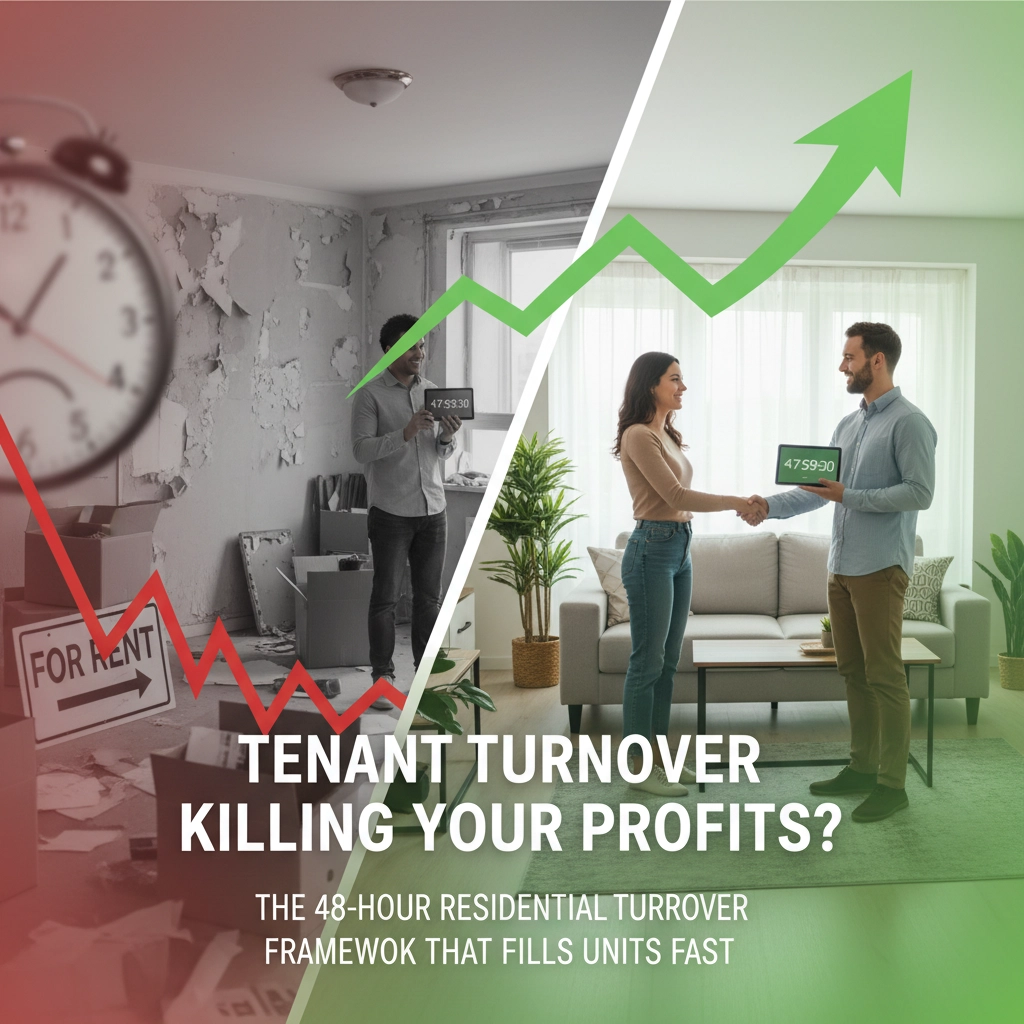
Every day your rental unit sits vacant, you're bleeding money. With the average cost of tenant turnover hitting $4,000 per unit in 2024 and industry retention rates hovering around 60%, most Philadelphia property managers are losing thousands in potential revenue through extended vacancy periods.
But here's the thing: it doesn't have to be this way.
Properties that master rapid turnovers aren't just filling units faster; they're dramatically outperforming their competition. The difference between losing money on extended vacancies and maintaining consistent cash flow often comes down to one thing: having a systematic 48-hour turnover framework.
Why Speed Matters More Than Ever
The math is brutal but simple. A $2,000/month unit that sits vacant for an extra week costs you $500 in lost rent. Add that to your turnover costs, and you're looking at nearly $4,500 per unit: before factoring in utilities, marketing, and administrative overhead.
Philadelphia's competitive rental market makes this even more critical. With new developments constantly entering the market and tenants having more options than ever, properties that can't turn units quickly get left behind.

The most successful property managers understand that turnover speed isn't just about efficiency: it's about profit margins. Every hour you shave off your turnover process directly impacts your bottom line.
The 48-Hour Framework: Three Critical Phases
Phase 1: Pre-Move-Out Preparation (Days Before Vacancy)
The framework actually starts before your tenant even moves out. Smart property managers begin turnover prep the moment they receive notice.
Create a Move-Out Checklist: Send departing tenants a detailed checklist 30 days before move-out. Include expectations for cleaning, repairs they're responsible for, and exact move-out procedures. This eliminates surprises that can delay your timeline.
Schedule Immediately: Don't wait until the unit is vacant to book contractors. Pre-schedule cleaning services, maintenance inspections, and any anticipated repairs for the day after move-out.
Line Up Next Tenants: Use the notice period to start marketing aggressively. By move-out day, you should already have qualified prospects ready to view the unit within 24-48 hours.
The key insight here is that most delays happen because property managers treat turnover as a reactive process instead of a proactive one.
Phase 2: Rapid Response Execution (Hours 0-24)
The moment your tenant hands over keys, your 48-hour clock starts ticking. This phase is all about parallel processing instead of sequential tasks.
Immediate Assessment and Action: Within 2 hours of receiving keys, have your maintenance team conduct a thorough walkthrough. Document everything that needs attention and categorize by urgency and time required.
Deploy Your Team Simultaneously: Don't wait for one contractor to finish before starting the next. Professional cleaners can work in bedrooms while maintenance addresses the kitchen. Painters can prep while carpet cleaners handle other areas.
Stock Standard Supplies: Keep inventory of common turnover items: standard paint colors, basic fixtures, cleaning supplies. This eliminates trips to the hardware store that add hours to your timeline.

Real-world example: Ascent, a Colorado-based property operator, built out their environmental services team to handle minor renovations internally. By coordinating carpet replacement, appliance updates, and painting simultaneously, they consistently achieve move-ins within 24-48 hours.
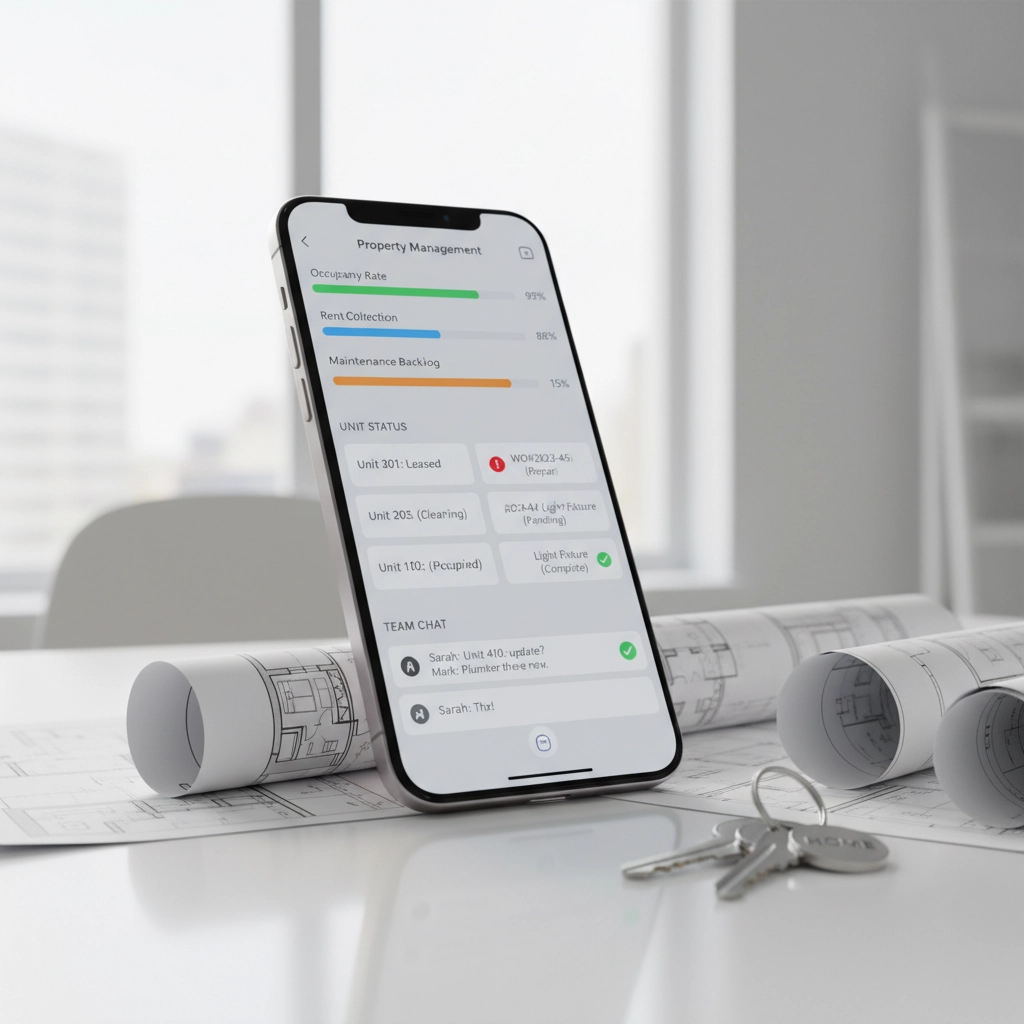
Communicate Constantly: Every team member should know the timeline and their role. Use group messaging or project management apps to keep everyone coordinated and accountable.
Phase 3: Final Preparation and Move-In (Hours 24-48)
Your final phase focuses on quality control and tenant move-in logistics.
24-Hour Quality Check: Conduct a detailed inspection to ensure everything meets your standards. This isn't the time to discover problems: it's about confirming everything is ready.
Move-In Coordination: By hour 36, you should be scheduling final walkthroughs with your next tenant. Have all paperwork prepared, keys ready, and move-in logistics confirmed.
Document Everything: Take photos of the completed unit for your records and marketing materials. This also protects you if any disputes arise later.
Critical Success Factors
Technology Integration
Successful 48-hour turnovers require real-time coordination. Use property management software that tracks unit status, coordinates work orders, and maintains communication between team members. When everyone can see progress in real-time, delays get caught and addressed immediately.
Vendor Relationships
Build relationships with contractors who understand your timeline requirements. Pay premium rates for rapid-response services: the lost rent from delays costs more than the contractor premium. Reliable vendors who can work within your 48-hour window are worth their weight in gold.
Pre-Qualified Tenant Pipeline
Never start looking for tenants after a unit becomes vacant. Maintain a waiting list of pre-qualified prospects for each property type. Screen them thoroughly during the pre-marketing phase so they're ready to sign leases within your turnover window.
Standardized Processes
Document every step of your turnover process. Create checklists, timelines, and quality standards that any team member can follow. Standardization eliminates guesswork and ensures consistent results.
Common Mistakes That Kill Your Timeline
Sequential Task Management: Waiting for one contractor to finish before starting the next adds unnecessary days to your timeline.
Poor Communication: When team members don't know the timeline or their responsibilities, delays become inevitable.
Reactive Maintenance: Discovering major repairs during turnover kills your timeline. Regular preventive maintenance and thorough annual inspections prevent surprises.
Tenant Screening Shortcuts: Rushing to fill a unit with an unqualified tenant often leads to early move-outs and additional turnover cycles.
Measuring Your Success
Track these key metrics to ensure your framework is working:
- Average Days Vacant: Aim for 2 days or less between move-out and move-in
- Turnover Cost Per Unit: Monitor total expenses including lost rent
- First-Time Success Rate: Percentage of turnovers completed without delays
- Tenant Satisfaction: Happy tenants stay longer, reducing future turnover frequency
Properties implementing systematic 48-hour frameworks typically see 30-50% reductions in vacancy days and corresponding improvements in annual revenue.

The most important insight is that rapid turnovers aren't about cutting corners: they're about eliminating inefficiencies and coordinating resources effectively. When done right, you'll often deliver higher-quality units faster than traditional approaches.
Ready to Transform Your Turnover Process?
The difference between profitable properties and struggling ones often comes down to operational efficiency. While your competitors are losing money on extended vacancies, you could be maximizing revenue with systematic 48-hour turnovers.
At C&A Property Services, we've helped Philadelphia property managers implement rapid turnover frameworks that consistently fill units faster and increase annual revenue. Our team understands the unique challenges of the Philadelphia market and has the systems, vendor relationships, and expertise to execute seamless turnovers.
Don't let another vacant day cost you money. Contact C&A Property Services today to discuss how our turnover solutions can transform your property's profitability. Let's talk about getting your units filled fast and keeping them profitable.
Leave a Reply