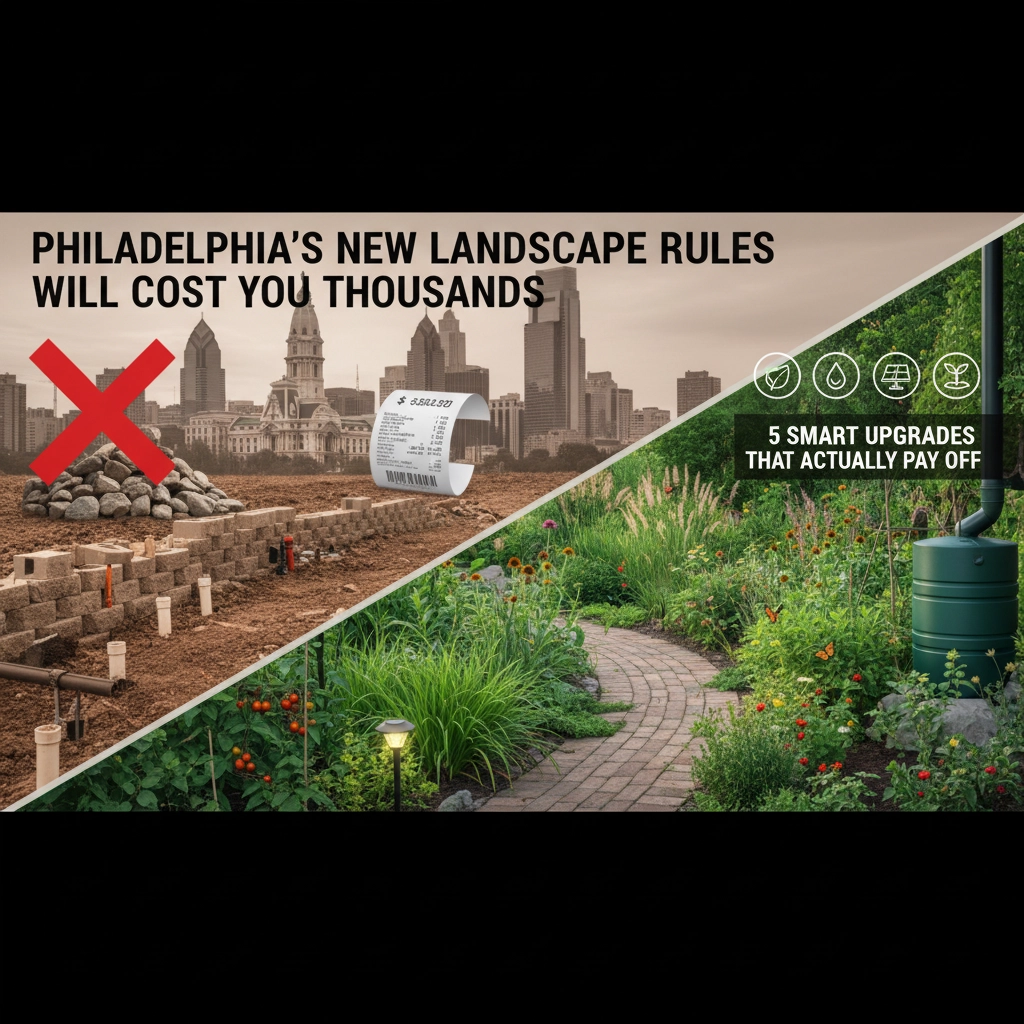
Philadelphia property owners are facing a harsh reality in 2025: the city's updated landscape ordinance isn't just changing how developments look: it's fundamentally reshaping project budgets. If you're a property manager or investor in the City of Brotherly Love, these new rules could cost you thousands more than you planned. But here's the thing: smart property owners are turning these challenges into opportunities with strategic upgrades that actually pay off.
Let's break down what these new regulations mean for your bottom line and explore five intelligent investment moves that'll keep you ahead of the game.
The Real Cost of Philadelphia's New Landscape Rules
Philadelphia's revised landscape ordinance, rolled out in September 2022 and further strengthened by Bill 250523 in June 2025, isn't just bureaucratic paperwork: it's a serious financial consideration for any property maintenance philadelphia project.
Tree Planting Requirements Hit Hard
The most expensive surprise? The new tree planting mandates. For every 200 square feet of paved parking area, you now need one shade tree. Can't fit them all on your property? You're looking at $1,000 per required parking lot tree in in-lieu fees. That's double what it actually costs to plant a tree (typically $450-$600), but the city isn't interested in negotiating.
Here's where it gets really expensive: if you're removing any tree over 2.5 inches in diameter for development, you must replace it. Heritage trees (24 inches or bigger) can't be touched at all. The kicker? In-lieu fees for replacement trees run $400 per inch of tree diameter.
Let's do some quick math: Remove a 50-inch diameter tree and only replace 20 inches on-site? You're paying $12,000 in fees for those missing 30 inches. Multiply that across a typical development project, and you're looking at five-figure surprise costs.
Bill 250523: The Latest Wrinkle
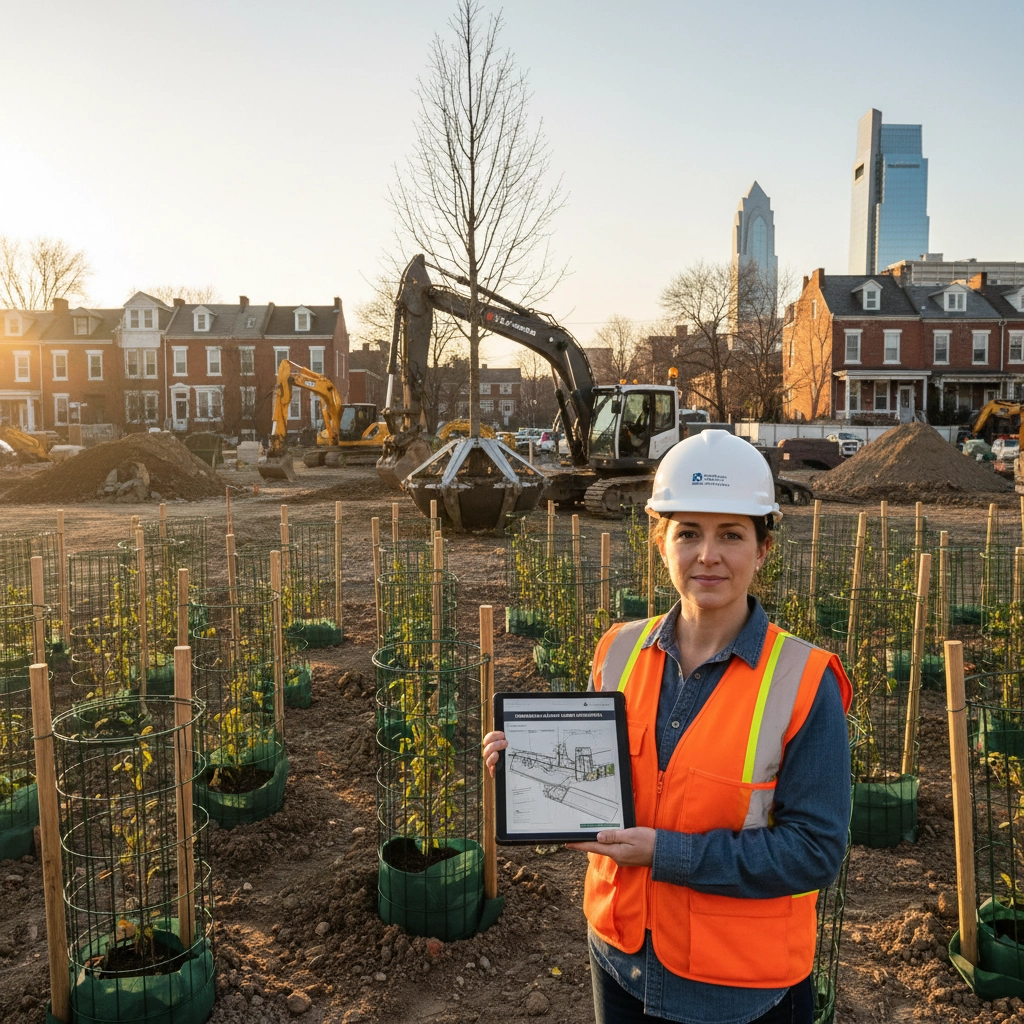
The June 2025 addition to the ordinance through Bill 250523 expanded these requirements to large properties undergoing significant use changes. If you're dealing with parcels over 50,000 square feet where use changes affect at least 75% of existing floor area, the parking lot landscape and screening requirements now apply to you too.
For violation compliance philadelphia purposes, this means even property conversions: not just new developments: could trigger expensive landscape obligations you didn't see coming.
Why Traditional Upgrades Don't Work in Philadelphia
Before we jump into smart investments, let's talk about what doesn't work. Philadelphia's unique housing market and climate conditions make certain popular upgrades surprisingly poor investments.
Finished basements in flood-prone areas? Forget about it. Premium triple-pane windows at $1,500 each? The ROI isn't there. Luxury kitchen renovations in neighborhoods where the market won't support the price point? You're literally flushing money down the drain.
The secret isn't spending more: it's spending smarter on area upgrades philadelphia that address real market needs.
5 Smart Upgrades That Actually Pay Off
1. Waterproofing and Foundation Protection
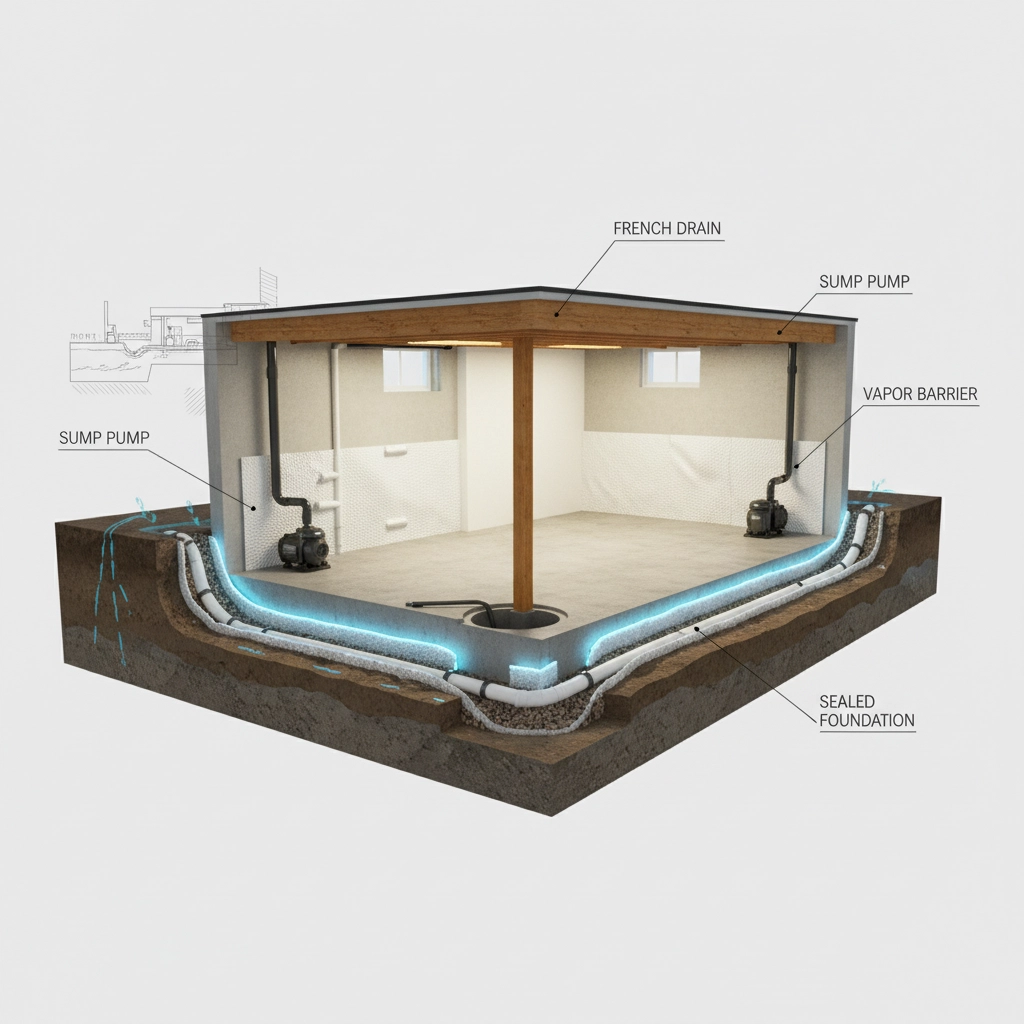
Instead of creating pretty basement spaces that flood every heavy rain, invest in serious waterproofing systems. Philadelphia's climate is tough on buildings, and buyers know it. A bone-dry basement beats a beautifully finished one that smells like mold.
Professional waterproofing systems typically run $3,000-$8,000 depending on your property size, but they prevent tens of thousands in damage while giving potential buyers confidence. In a city where basement flooding is a real concern, this upgrade actually reduces your insurance costs too.
2. Smart Flooring Choices for Climate Reality
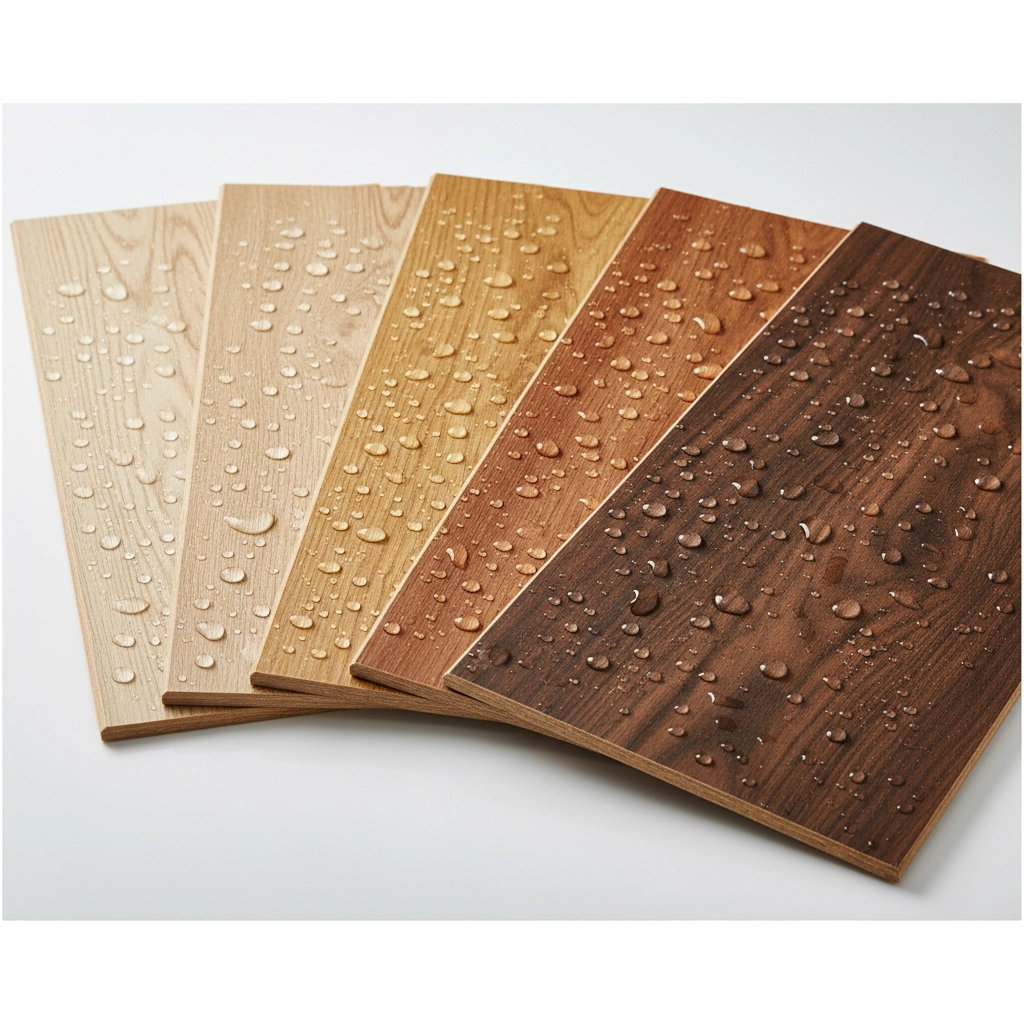
Ditch the hardwood dreams in moisture-prone areas. High-quality waterproof vinyl plank flooring that mimics wood grain gives you the aesthetic appeal without the climate vulnerability. These flooring systems run $3-$7 per square foot installed and handle Philadelphia's humidity, temperature swings, and occasional water intrusion like champs.
Tenants and buyers love the look, but they'll love the durability even more when they're not dealing with warped floors and mold issues.
3. Water-Efficient Fixture Upgrades
Low-flow toilets, efficient showerheads, and water-saving faucets aren't just good for the environment: they're good for your wallet and your tenants'. With Philadelphia's water rates continuing to climb, these upgrades provide immediate utility savings that translate to real value.
A complete fixture upgrade for a typical rowhouse runs $1,500-$3,000 but can reduce water usage by 20-30%. That's money in your pocket every month, plus a selling point for cost-conscious buyers and renters.
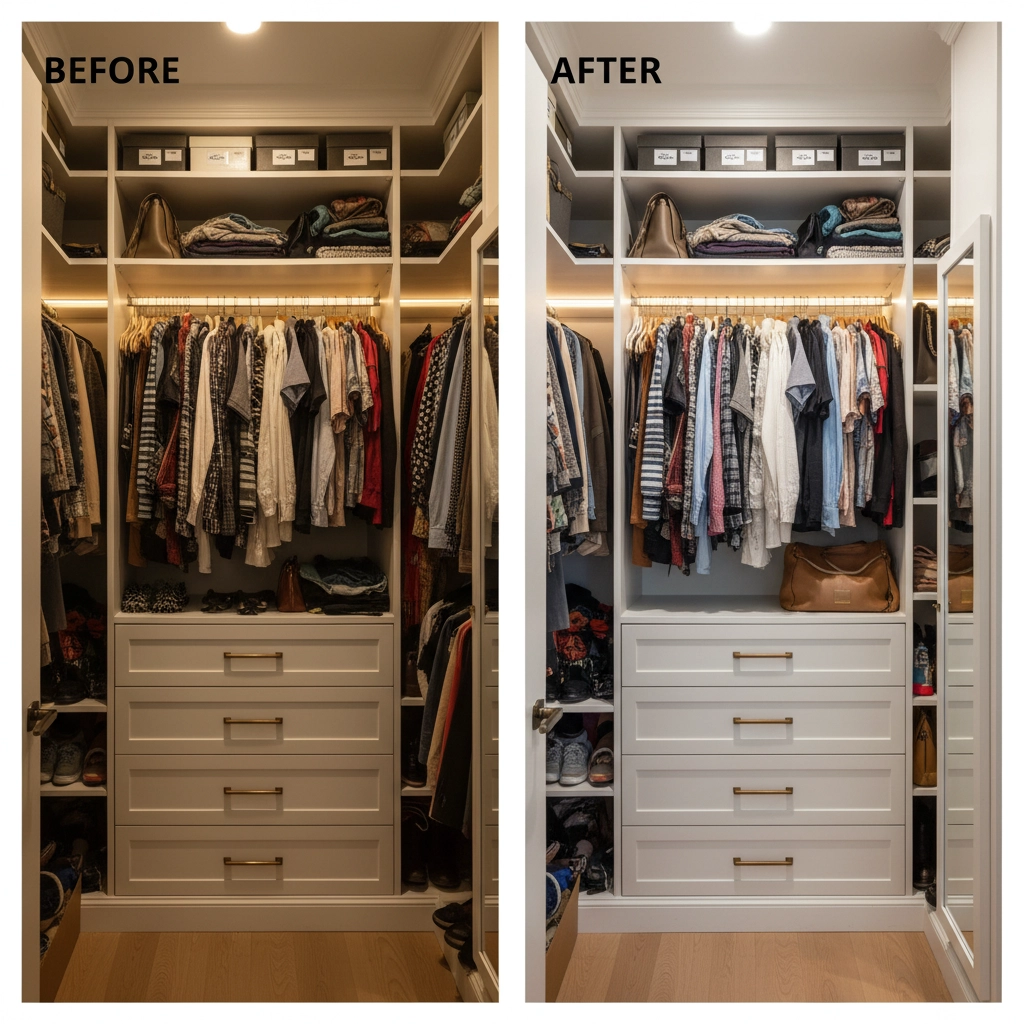
4. Strategic Storage Solutions
Here's something most property managers miss: Philadelphia homebuyers and renters prioritize functional storage space over fancy finishes. Those narrow rowhouses and converted buildings offer limited closet space, making smart storage solutions incredibly valuable.
Built-in closet systems, under-stair storage, basement organization solutions, and garage improvements consistently outperform cosmetic kitchen updates in terms of ROI. A $2,000 investment in professional closet systems often adds $5,000+ in perceived value because it solves a real daily problem.
5. Mid-Range Window Replacements with Energy Focus
Windows need replacing eventually, but you don't need to break the bank. Mid-range energy-efficient windows deliver 90% of the benefits of premium models at half the price. You're looking at $300-$600 per window versus $1,000-$1,500 for luxury options.
Focus on double-pane windows with good energy ratings rather than premium triple-pane units. The energy savings are nearly identical, but the cost difference is substantial. In Philadelphia's historic neighborhoods, you'll often see better returns on quality mid-range replacements than expensive custom units.
Making Landscape Rules Work for You
Here's the thing about Philadelphia's new landscape requirements: they're not going anywhere. But smart property managers are finding ways to turn compliance into competitive advantage.
Instead of fighting the tree requirements, consider how strategic landscaping can enhance property values. Well-planned green spaces increase tenant satisfaction and property appeal. Work with landscaping philadelphia professionals who understand both the regulations and the market to design solutions that check compliance boxes while adding real value.
Native plant selections, for instance, meet regulatory requirements while reducing ongoing maintenance costs. Rain gardens can handle stormwater requirements while creating attractive features that justify higher rents.
The Bottom Line on Smart Property Investment
Philadelphia's landscape rules are expensive, but they're not the end of the world for savvy property managers. The key is shifting your investment strategy from flashy upgrades that don't pencil out to practical improvements that solve real problems.
Focus your upgrade dollars on addressing Philadelphia's specific challenges: moisture, limited storage, energy efficiency, and climate resilience. These investments consistently outperform cosmetic renovations because they solve problems buyers and tenants actually care about.
Need Help Navigating the New Landscape?
Managing Philadelphia properties just got more complex, and the stakes are higher than ever. Between landscape compliance, smart upgrade decisions, and maximizing your investment returns, there's a lot to juggle.
At C&A Property Services, we help property owners and managers navigate these challenges with practical, profitable solutions. From compliance planning to strategic upgrade recommendations, we understand what works in Philadelphia's unique market.
Whether you're dealing with landscape ordinance questions, planning cost-effective upgrades, or just need a partner who gets the Philadelphia property game, we're here to help. Because in this market, smart decisions today determine your profits tomorrow.
Leave a Reply