
The Philadelphia Housing Authority just announced nearly 300 layoffs starting January 2026. If you're managing properties in Philadelphia, this isn't just another headline: it's a major shift that will directly impact how maintenance and repairs get handled across the city.
Here's what's happening, why it matters to you, and most importantly, what you need to do right now to protect your properties and tenants.
The Big Picture: What PHA Is Actually Doing
The PHA is cutting about 20% of its workforce: roughly 300 employees: and fundamentally changing how they handle maintenance work. Instead of keeping union maintenance workers on payroll, they're shifting to a contractor-based model.
This isn't a small tweak. It's a complete operational overhaul that affects:
- 260 positions eliminated in mid-January 2026
- 116 more positions cut in summer 2026
- Electricians and carpenters moving from full-time employees to contract workers
- Only 360 maintenance staff remaining as direct employees (down from 620)
The PHA says this will save $24-29 million annually, which they're redirecting toward their ambitious $6.3 billion housing expansion plan.

What This Means for Property Managers
If you think this only affects PHA properties, think again. This shift will create ripple effects throughout Philadelphia's property management landscape.
Increased Competition for Skilled Trades
When PHA releases experienced electricians and carpenters into the contractor pool, you'll see immediate changes:
- More available contractors in the short term
- Higher demand for quality work as displaced workers establish independent businesses
- Potential price fluctuations as the market adjusts to increased supply
Service Disruption During Transition
The January and summer transition periods will likely create temporary chaos:
- Delayed response times as new contractor relationships form
- Inconsistent service quality while systems get established
- Communication gaps between property managers and maintenance teams
Changed Emergency Response Protocols
PHA's shift to contract-based maintenance means emergency repairs will follow different protocols. Property managers need to understand these changes to avoid costly delays.
Timeline: Critical Dates You Can't Miss
Mid-January 2026: First wave of 260 layoffs begins. Expect immediate disruptions to routine maintenance schedules and emergency response times.
Summer 2026: Second wave of 116 additional cuts. By this point, the new contractor-based system should be stabilizing, but expect continued adjustments.
Now through December 2025: Preparation period. This is your window to secure reliable maintenance partnerships before the disruption hits.

5 Steps Every Philadelphia Property Manager Must Take Now
1. Audit Your Current Maintenance Network
Don't wait for the PHA transition to expose gaps in your maintenance coverage. Review your current vendor relationships and identify weak spots:
- How quickly can your electrician respond to emergencies?
- Do you have backup contractors for each trade?
- Are your current partners licensed and insured for all services you need?
2. Establish Relationships with Displaced PHA Workers
The skilled electricians and carpenters being laid off represent a significant opportunity. These workers have experience with Philadelphia's unique building codes and compliance requirements.
Start networking now to connect with quality contractors before they're flooded with new opportunities.
3. Strengthen Your Emergency Response Plan
With PHA's emergency maintenance protocols changing, you can't rely on their previous response times or procedures. Ensure you have:
- 24/7 emergency contacts for critical trades
- Clear escalation procedures for tenant safety issues
- Backup plans for when primary contractors are unavailable
4. Review Your Maintenance Budgets
The contractor market will experience price volatility as supply and demand balance out. Budget conservatively for:
- Potential short-term price increases during high-demand periods
- Emergency service premiums during the transition
- Additional costs for vetting new contractor relationships
5. Communicate Proactively with Tenants
Your tenants will hear about the PHA changes and may worry about how it affects their housing. Get ahead of concerns by:
- Explaining your independent maintenance capabilities
- Reassuring tenants about emergency response procedures
- Providing clear contact information for maintenance requests

How C&A Property Services Bridges the Gap
While other property managers scramble to piece together contractor networks, C&A clients already have the comprehensive coverage they need.
Single-Source Reliability
Instead of managing relationships with multiple contractors, C&A provides all essential property services under one roof:
- Licensed electricians available 24/7
- Experienced carpenters for renovations and repairs
- Complete turnover services to minimize vacancy periods
- Compliance expertise for Philadelphia's complex regulations
Proven Emergency Response
When emergencies hit during the PHA transition chaos, C&A clients don't wait in line. Our established protocols and dedicated teams ensure:
- Same-day response for urgent issues
- Direct communication with property managers
- Documented compliance for all emergency repairs
Cost Predictability
While market prices fluctuate during the transition, C&A's comprehensive service agreements provide budget certainty. No surprise costs, no emergency premiums, no hunting for available contractors.
Philadelphia-Specific Compliance Advantages
The displaced PHA workers know Philadelphia's regulations, but they're now independent contractors learning to navigate compliance on their own. C&A's established compliance expertise means:
- Up-to-date knowledge of Philadelphia housing codes
- Documented procedures for inspection compliance
- Established relationships with city inspectors
- Proven track record with violation remediation
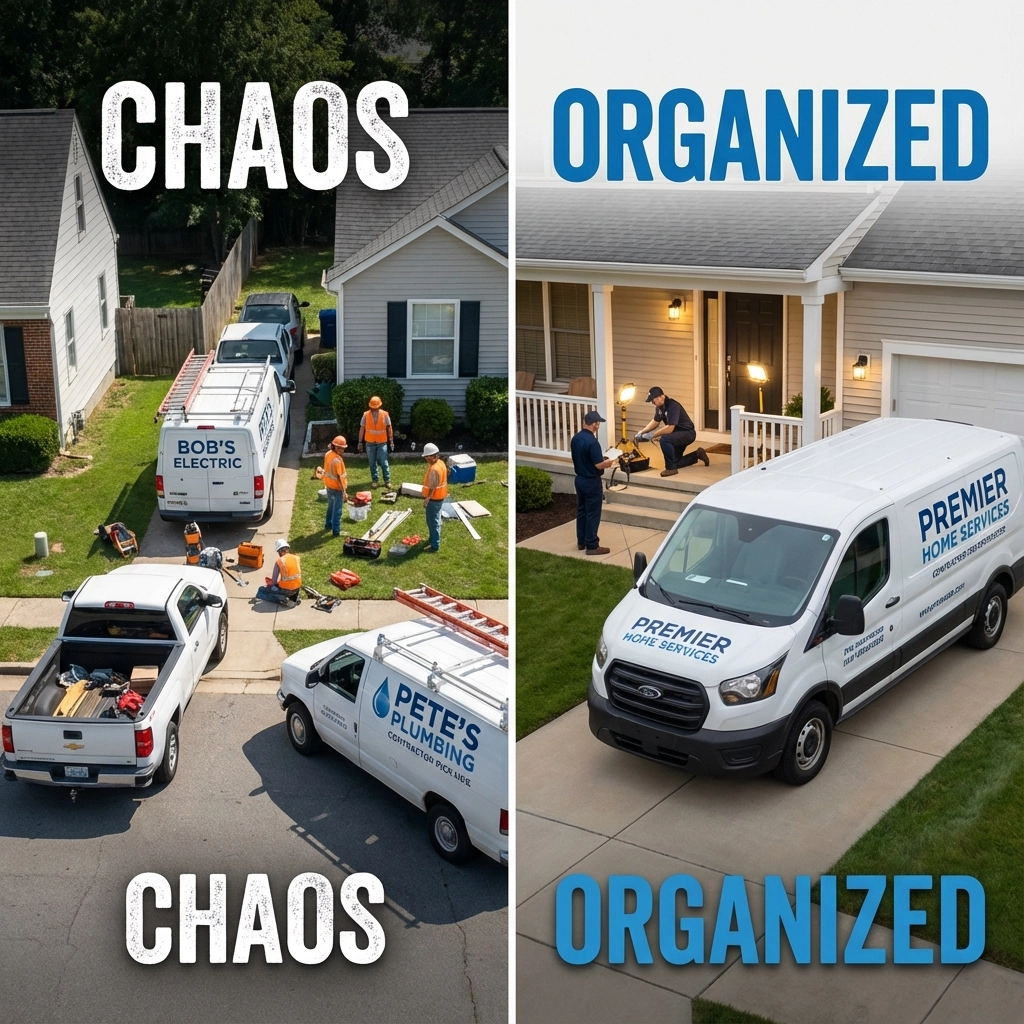
Real Impact: What This Looks Like for Your Properties
Consider this scenario: It's February 2026, and you have an electrical emergency at one of your properties. Under the old system, PHA's response time might have given you a baseline expectation for service availability.
Now, every property manager in Philadelphia is competing for the same pool of electrical contractors. Your emergency becomes one of dozens on the same day.
With C&A: Your call goes directly to our dispatch. Our electrician is on-site within hours, not days. The repair is documented, compliant, and billable through your existing service agreement.
Without C&A: You're calling multiple contractors, waiting for callbacks, negotiating emergency rates, and hoping the work meets Philadelphia's compliance standards.
The Bigger Picture: Philadelphia's Property Market Evolution
The PHA layoffs aren't happening in isolation. They're part of Philadelphia's broader housing market transformation, including:
- Aggressive expansion plans adding thousands of new units
- Evolving rental regulations requiring enhanced compliance
- Increased inspection requirements demanding faster response times
- Growing tenant expectations for property maintenance quality
Property managers who adapt now will thrive. Those who wait for the dust to settle will spend months catching up.

Your Next Steps Start Today
The PHA transition isn't a distant future concern: it's happening in weeks, not months. Every day you delay preparation is a day closer to the service disruption.
Ready to secure your maintenance coverage before the rush?
Contact C&A Property Services today for a comprehensive consultation. We'll assess your current maintenance needs, identify potential gaps, and design a service plan that keeps your properties running smoothly through the transition and beyond.
Don't let the PHA changes catch you unprepared. While other property managers scramble for contractors, you'll have the reliable, comprehensive coverage your properties deserve.
Call us now at [phone number] or visit capropserv.com to schedule your consultation.
The transition is coming whether you're ready or not. Make sure you're on the prepared side.
Leave a Reply