
Finding the right property maintenance partner in Philadelphia can make or break your property management success. With thousands of rental units across the city and strict housing codes to navigate, property managers need reliable partners who understand local regulations, respond quickly to emergencies, and keep tenants satisfied while protecting your bottom line.
The wrong choice leads to frustrated tenants, costly emergency repairs, compliance violations, and endless headaches. The right partner becomes an extension of your team, helping you maintain property values and generate consistent rental income.
Here's your complete guide to selecting a maintenance partner who'll actually deliver results in the Philadelphia market.
Start with Emergency Response Capabilities
Philadelphia properties don't pause for weekends or holidays. Burst pipes, heating failures, and electrical issues happen at the worst possible times. Your maintenance partner must offer genuine 24/7 emergency response: not just an answering service that takes messages.
Look for companies with live personnel available around the clock who can dispatch qualified technicians immediately. Ask specific questions: What constitutes an emergency? How quickly can someone be on-site? Do they have after-hours access to your properties?
The best partners maintain emergency response teams year-round and have protocols for common Philadelphia issues like frozen pipes during harsh winters and HVAC failures during summer heat waves.

Verify Comprehensive Service Capabilities
Philadelphia properties require diverse maintenance skills. Your ideal partner should handle everything from basic repairs to complex renovations without constantly outsourcing work to unknown contractors.
Essential services include:
- HVAC installation, repair, and maintenance
- Electrical work (licensed electricians)
- Plumbing (from drain cleaning to full replacements)
- Carpentry and drywall repair
- Painting (interior and exterior)
- Flooring installation and repair
- Appliance repair and replacement
- Landscaping and snow removal
Companies with in-house teams typically provide faster response times, consistent quality, and better cost control than those relying heavily on subcontractors. However, verify that all technicians carry proper licenses and insurance coverage.
Evaluate Their Technology and Communication Systems
Modern property maintenance requires organized systems for tracking requests, scheduling work, and communicating progress. Your partner should use professional property management software that integrates with your existing systems.
Key technology features to demand:
- Online tenant portals for submitting maintenance requests
- Real-time work order tracking and status updates
- Digital photo documentation of completed work
- Automated scheduling and dispatch systems
- Mobile apps for technicians to update job progress
- Detailed reporting dashboards for property owners
Poor communication kills maintenance partnerships. Ensure they provide regular updates via your preferred channels: email, text, phone calls, or online portals. You shouldn't have to chase them for status reports.
Assess Their Local Philadelphia Experience
Philadelphia's unique housing stock, seasonal challenges, and regulatory environment require specialized knowledge. Partners with deep local experience understand:
- Historic property maintenance requirements
- City housing code compliance standards
- Seasonal preparation for harsh winters
- Common issues in different neighborhoods
- Local vendor networks and supplier relationships
- Permit requirements for various repairs
Companies operating in Philadelphia for 10+ years have weathered different market conditions and built relationships that benefit your properties. They know which suppliers offer quality materials at competitive prices and can navigate city bureaucracy efficiently.

Review Their Pricing Structure and Transparency
Maintenance costs can quickly spiral out of control with the wrong partner. Demand complete transparency in pricing before signing any agreements.
Essential pricing information includes:
- Hourly labor rates for different trade skills
- Emergency service premiums and after-hours charges
- Markup percentages on materials and supplies
- Trip charges and minimum billing amounts
- Administrative fees for work order processing
- Volume discounts for multiple properties
Avoid partners who can't provide clear pricing structures or seem evasive about costs. The best companies offer detailed estimates before starting work and provide itemized invoices showing exactly what you're paying for.
Some partners offer maintenance packages or retainer agreements that can provide cost savings for properties requiring regular service. Evaluate these options based on your portfolio's specific needs.
Examine Quality Control and Documentation Practices
Professional maintenance partners implement quality control measures to ensure consistent workmanship and protect your investment. Look for companies that:
- Conduct thorough inspections before and after completing work
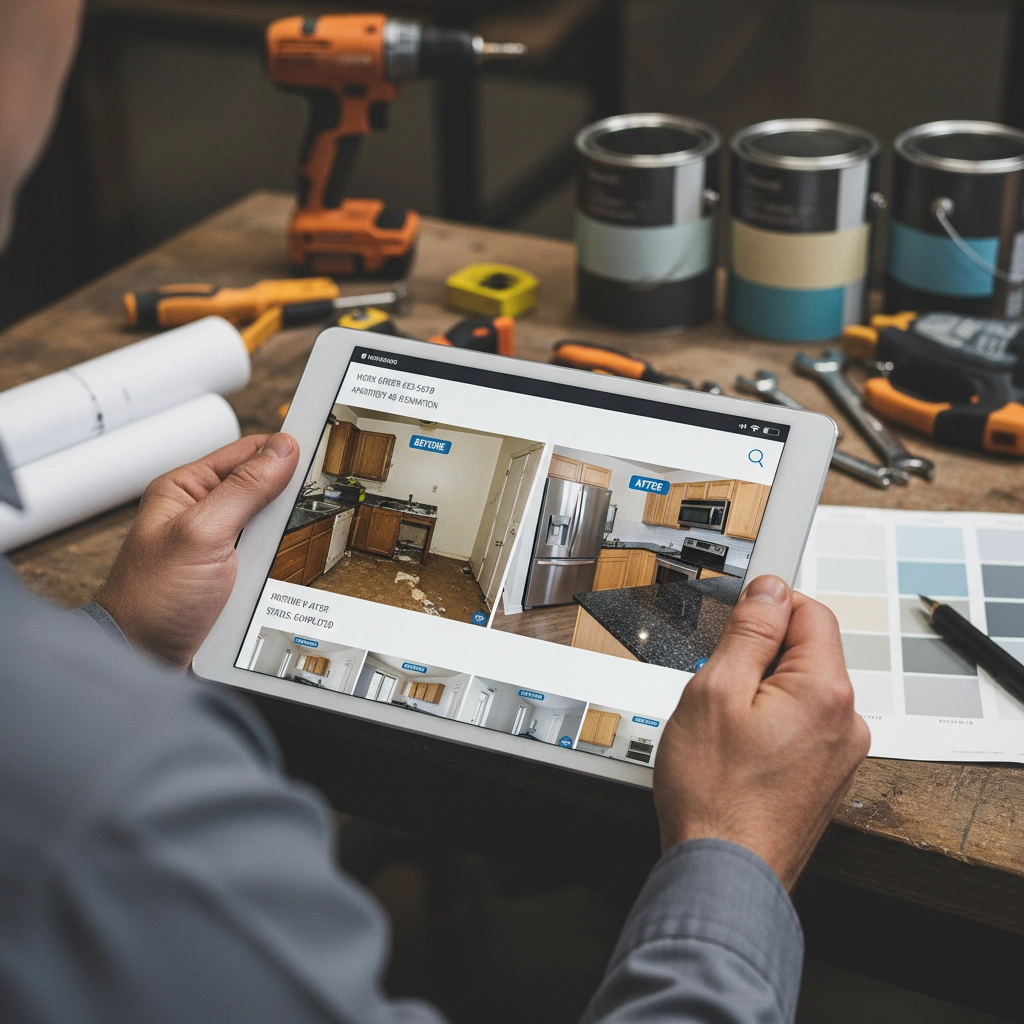
- Document all repairs with before/after photographs
- Provide detailed work summaries and recommendations
- Offer warranties on completed repairs
- Follow up to ensure tenant satisfaction
- Maintain organized records of all property maintenance history
Quality documentation proves essential for insurance claims, tenant disputes, and property valuations. Partners who cut corners on documentation often cut corners on the actual work too.
Check References and Insurance Coverage
Never hire a maintenance partner without verifying their track record and financial protection. Request references from current property management clients: not just general contractors or individual property owners.
Contact references and ask specific questions:
- How long have they worked with this company?
- What types of properties does the partner maintain?
- How do they handle emergency situations?
- Are projects completed on time and within budget?
- How responsive is their customer service?
- Would they recommend this company without hesitation?
Verify that the company carries comprehensive general liability insurance, workers' compensation coverage, and bonding. Request current certificates of insurance and confirm coverage amounts meet your requirements.
Red Flags to Avoid
Certain warning signs indicate potential problems before they become costly headaches:
- Unusually low bids that seem too good to be true
- Inability to provide local references from property managers
- Lack of proper licensing or insurance documentation
- Poor communication during the evaluation process
- Pressure to sign contracts immediately without review time
- Vague pricing or reluctance to provide detailed estimates
- No established office location or business address
- High technician turnover or reliance on day laborers
- Limited availability or slow response to initial inquiries
Trust your instincts. If something feels off during initial interactions, it's unlikely to improve once you're paying them.
Questions to Ask Potential Partners
Use these questions to evaluate candidates and compare their responses:
- How many property management clients do you currently serve in Philadelphia?
- What's your average emergency response time for different types of issues?
- How do you handle situations when your technicians aren't available?
- What property management software systems do you integrate with?
- How do you ensure quality control across different work sites?
- What's your process for handling tenant complaints about completed work?
- How do you stay current with Philadelphia housing code requirements?
- What warranties do you provide on completed repairs?
- How do you handle cost overruns or unexpected complications?
- Can you provide detailed monthly reporting on maintenance activities?
Pay attention not just to their answers, but how quickly and confidently they respond. The best partners have clear processes and aren't hesitant to discuss their operations.
Making Your Final Decision
After evaluating multiple candidates, compare them across all factors: not just pricing. The cheapest option often becomes the most expensive when you factor in poor quality work, tenant complaints, emergency situations, and relationship management headaches.
Consider starting with a trial period on one property before committing your entire portfolio. This allows you to evaluate their performance in real-world conditions and make adjustments before expanding the relationship.
The right maintenance partner becomes a true business partner, helping you maximize property values while minimizing operational stress. Take time to choose wisely: your properties and peace of mind depend on it.
Ready to Find Your Ideal Maintenance Partner?
Choosing the right property maintenance partner shouldn't be a gamble. At C&A Property Services, we understand the unique challenges Philadelphia property managers face every day. Our experienced team provides comprehensive maintenance solutions designed to protect your investment while keeping tenants happy.
Whether you're managing a single rental property or an extensive portfolio, we'd love to discuss how our maintenance services can support your success. Contact C&A Property Services today to schedule a consultation and discover why Philadelphia property managers trust us with their most valuable assets.
Leave a Reply