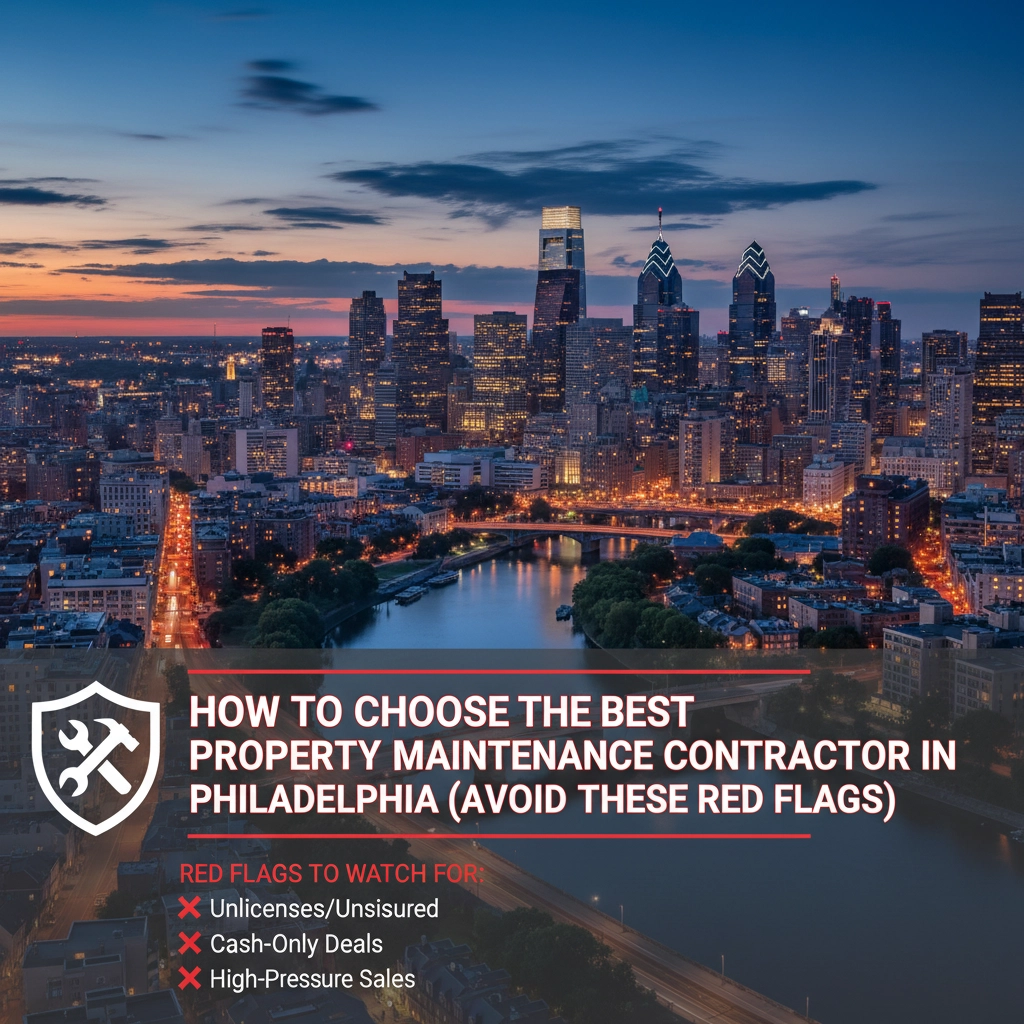
Finding reliable property maintenance contractors in Philadelphia can feel like searching for a needle in a haystack. With the city's aging housing stock, strict code enforcement, and competitive rental market, one bad contractor choice can cost you thousands in repairs, lost rent, and tenant headaches.
Whether you're managing a single rental property in Fishtown or overseeing multiple units across the city, the contractor you choose directly impacts your bottom line and peace of mind. The good news? By knowing what to look for: and what red flags to run from: you can build a reliable team that keeps your properties in top shape.
The Foundation: What Makes a Quality Contractor
Licensing and Insurance (Non-Negotiable)
Before discussing anything else, verify your contractor holds valid Philadelphia licenses and comprehensive insurance coverage. This isn't just bureaucratic box-checking: it's your financial protection.
Request to see their license documentation and insurance certificates directly. Don't take their word for it. A legitimate contractor will happily provide these documents and won't be offended by your due diligence. If they hesitate or make excuses, that's your first red flag.

Philadelphia's licensing requirements exist for good reason. Licensed contractors understand local building codes, permit requirements, and safety standards that protect both you and your tenants.
Clear Communication From Day One
Professional contractors communicate clearly, promptly, and in writing. During your initial conversations, pay attention to how they handle basic interactions:
- Do they return calls within 24 hours?
- Can they explain technical issues in understandable terms?
- Do they provide written estimates rather than verbal quotes?
- Are they specific about timelines and expectations?
Poor communication at the beginning only gets worse under pressure. If a contractor is already hard to reach during the sales process, imagine trying to get them on the phone when your tenant's heat goes out in January.
Transparent Pricing Structure
Quality contractors provide detailed, written estimates that break down labor, materials, and any additional charges. They should clearly explain their pricing methodology and be upfront about potential cost variables.
Be especially careful about maintenance contracts with vague fee structures. Some contractors use low base rates to win business, then make their real profits through inflated repair markups: sometimes 100% or more above actual costs.
Red Flags That Should Send You Running
The "Too Good to Be True" Pricing
When one bid comes in significantly lower than others, investigate why. Legitimate contractors working with quality materials and fair labor rates generally price within similar ranges. Extremely low bids often mean:
- Substandard materials
- Unlicensed workers
- Hidden costs that appear later
- Corners cut on safety or quality
Remember: cheap work isn't good, and good work isn't cheap.

Pressure for Upfront Payment
Professional contractors typically request minimal upfront payment: usually just enough to cover initial materials. Be immediately suspicious of contractors who:
- Demand full payment before starting work
- Ask for large cash payments
- Pressure you to "sign today" for special pricing
- Show up at your door unsolicited
These tactics often indicate fly-by-night operations that disappear once they have your money.
Vague Contracts and Service Descriptions
Contracts should specify exactly what work will be performed, materials used, timelines, and payment schedules. Run from contractors whose agreements include vague language like:
- "We'll handle all necessary repairs"
- "Standard industry practices will be followed"
- "Additional work as needed"
Without specific terms, you have no recourse when expectations aren't met. Professional property management companies understand that detailed contracts protect everyone involved and lead to better outcomes.
Poor Digital Footprint
In today's connected world, legitimate contractors maintain professional online presence. Red flags include:
- No website or social media presence
- Consistently poor online reviews
- No verifiable address or phone number
- Multiple unresolved complaints with Better Business Bureau

The Smart Vetting Process
Start With Research
Before contacting any contractor, research their background thoroughly. Check:
- Philadelphia licensing board records
- Insurance coverage verification
- Online reviews across multiple platforms
- Better Business Bureau ratings and complaints
Don't rely solely on testimonials provided by the contractor: seek independent verification of their work quality and reliability.
Ask the Right Questions
During initial consultations, ask pointed questions that reveal their professionalism:
About Their Business:
- How long have you been operating in Philadelphia?
- Can you provide three recent client references?
- What's your typical response time for emergency calls?
- Do you guarantee your work, and for how long?
About Pricing and Contracts:
- Are all fees included in your written estimate?
- How do you handle cost overruns?
- What's your payment schedule?
- Can you provide a detailed breakdown of labor versus materials?
About Operations:
- Do you use subcontractors, and are they also licensed/insured?
- How do you handle tenant communication during repairs?
- What's your policy for cleaning up after work completion?
Test Their Responsiveness
Pay attention to how quickly and thoroughly contractors respond to your initial inquiries. Slow response times during the courtship phase often predict poor service once they have your business.

Building Long-Term Relationships
The goal isn't just finding a contractor for one project: it's building relationships with reliable professionals who understand your properties and standards. Quality contractors value long-term partnerships because they provide steady work and referral opportunities.
Consider starting new contractors with smaller projects before entrusting them with major repairs or renovations. This allows you to evaluate their work quality, communication, and reliability without significant risk.
Special Considerations for Philadelphia Properties
Philadelphia's unique challenges require contractors with specific local experience:
- Understanding historic district requirements
- Familiarity with the city's rental inspection process
- Knowledge of common issues in older row homes
- Experience working within tight urban constraints
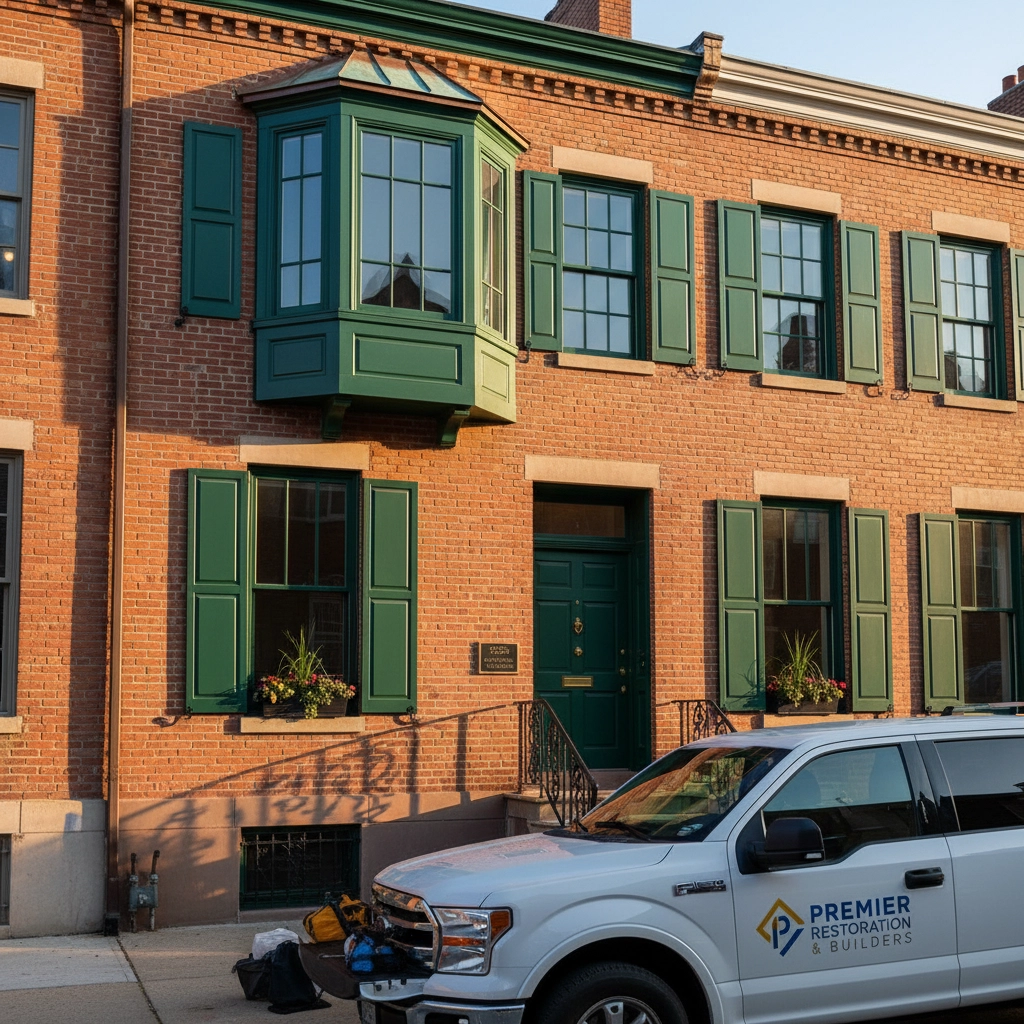
Contractors who regularly work in Philadelphia understand these nuances and can anticipate potential complications before they become expensive problems.
When Professional Help Makes Sense
Managing contractor relationships, vetting new vendors, and coordinating maintenance across multiple properties quickly becomes overwhelming. Many successful property owners find that working with experienced property management professionals streamlines the process while improving results.
Professional property managers maintain established networks of vetted, reliable contractors and can leverage their relationships for better pricing and faster response times. They also handle the time-consuming tasks of getting multiple quotes, supervising work, and ensuring quality standards are met.
If you're spending more time managing contractors than focusing on your core business or investment strategy, it might be time to consider bringing in property management expertise. The right partnership can save you time, reduce stress, and often pays for itself through better contractor pricing and fewer maintenance emergencies.
Moving Forward With Confidence
Choosing the right property maintenance contractors doesn't have to be a gamble. By focusing on proper licensing, clear communication, transparent pricing, and proven track records, you can build a reliable team that protects your investment and keeps your tenants happy.
Remember that the cheapest option is rarely the best value, and taking time to properly vet contractors upfront prevents costly problems down the road. Philadelphia's competitive rental market demands professional-quality maintenance: your contractor choices directly impact your ability to attract and retain quality tenants.
Whether you're handling contractor relationships yourself or working with property management professionals, the key is maintaining high standards and clear expectations. Your properties: and your bottom line( will thank you for it.)
Leave a Reply