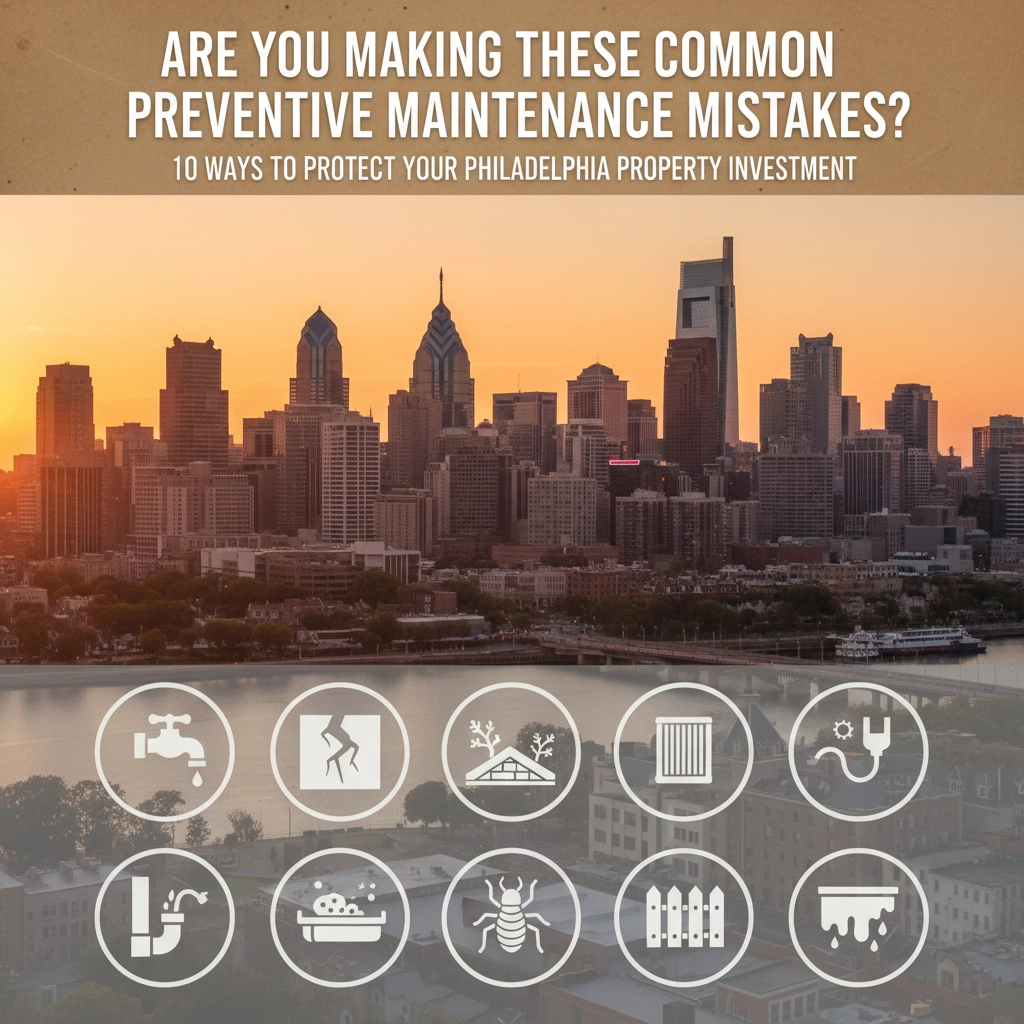
Property investment in Philadelphia can be incredibly rewarding, but it comes with unique challenges that can make or break your returns. The city's aging housing stock, extreme seasonal weather, and strict building codes mean that preventive maintenance isn't just recommended: it's essential for protecting your investment.
Unfortunately, many property owners fall into common traps that cost them thousands of dollars and countless headaches. Whether you're a seasoned investor or just starting out, understanding these mistakes and implementing the right protective strategies can mean the difference between a profitable property and a financial drain.
The Cost of Maintenance Mistakes
Before diving into specific mistakes, let's establish why this matters. Philadelphia properties face particularly harsh conditions: freezing winters that stress plumbing and heating systems, humid summers that strain HVAC units, and an aging infrastructure that requires constant attention. When preventive maintenance is neglected, small issues quickly escalate into emergency repairs that can cost 3-5 times more than proactive maintenance.
Common Preventive Maintenance Mistakes That Drain Your Wallet
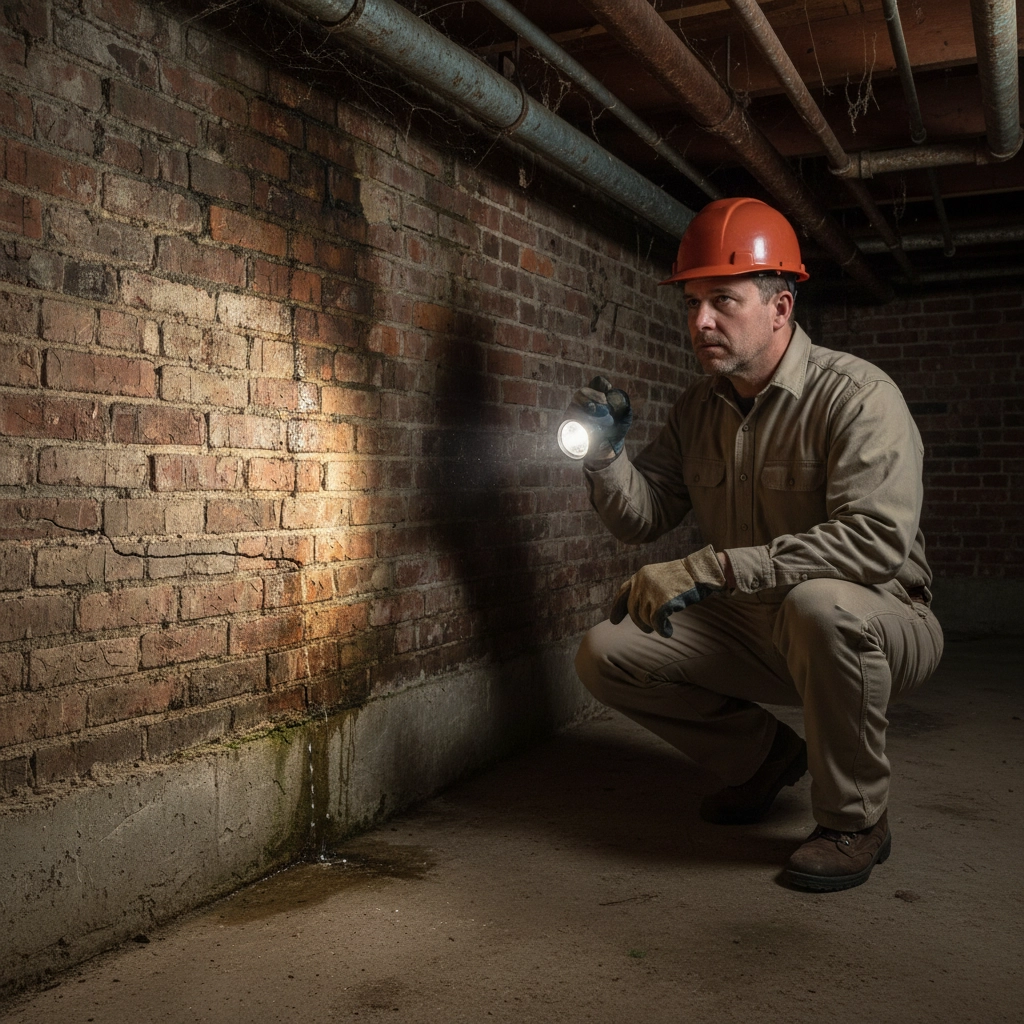
1. Skipping Regular Property Inspections
The biggest mistake Philadelphia property owners make is treating their investment like it's on autopilot. Many landlords, especially those who don't live near their properties, fall into an "out of sight, out of mind" mentality. This approach is particularly dangerous in Philadelphia, where older buildings can develop serious issues quickly.
Without regular inspections, you miss early warning signs like small leaks, minor electrical issues, or developing structural problems. By the time tenants report these issues: if they report them at all: they've often become expensive emergency repairs.
2. Letting Tenants Handle Repairs
It might seem convenient when a tenant offers to fix that leaky faucet or patch a small hole in the wall, but this is a costly mistake. Tenant responsibilities are limited to basic upkeep and paying rent on time: repairs remain squarely in your court as the property owner.
Unauthorized tenant repairs can lead to improper work that creates bigger problems down the line, potential liability issues if someone gets hurt, and possible violations of Philadelphia's building codes. What seems like a money-saving shortcut often becomes an expensive lesson.
3. Underestimating True Maintenance Costs
New investors consistently underestimate how much property maintenance actually costs in Philadelphia. The city's older housing stock requires more frequent attention than newer construction, and seasonal weather extremes accelerate wear and tear on critical systems.
A realistic maintenance budget should account for 1-3% of your property's value annually, with older Philadelphia properties often falling on the higher end of that range. Failing to budget adequately can turn what appeared to be a cash-flowing investment into a money pit.
4. Ignoring Philadelphia's Seasonal Maintenance Demands
Philadelphia's climate is particularly hard on properties. Freezing winters stress plumbing systems and heating equipment, while humid summers strain air conditioning units and promote mold growth. Many property owners fail to adapt their maintenance schedules to these seasonal realities.
Properties that aren't properly prepared for winter face frozen pipes, heating system failures, and ice dam damage. Similarly, properties with poor summer preparation suffer from HVAC breakdowns, humidity problems, and tenant comfort issues that lead to turnover.
5. Neglecting Aging Infrastructure
Many Philadelphia properties were built decades ago, and their electrical, plumbing, and structural systems reflect their age. Property owners who ignore this reality and treat maintenance like it's for a brand-new building set themselves up for expensive surprises.
Aging infrastructure requires more frequent professional inspections and proactive replacement of components before they fail. Waiting for systems to break down completely often results in emergency repairs that cost significantly more than planned replacements.
10 Ways to Protect Your Philadelphia Property Investment
Now that we've covered the common pitfalls, let's explore the specific strategies that successful Philadelphia property owners use to protect their investments.
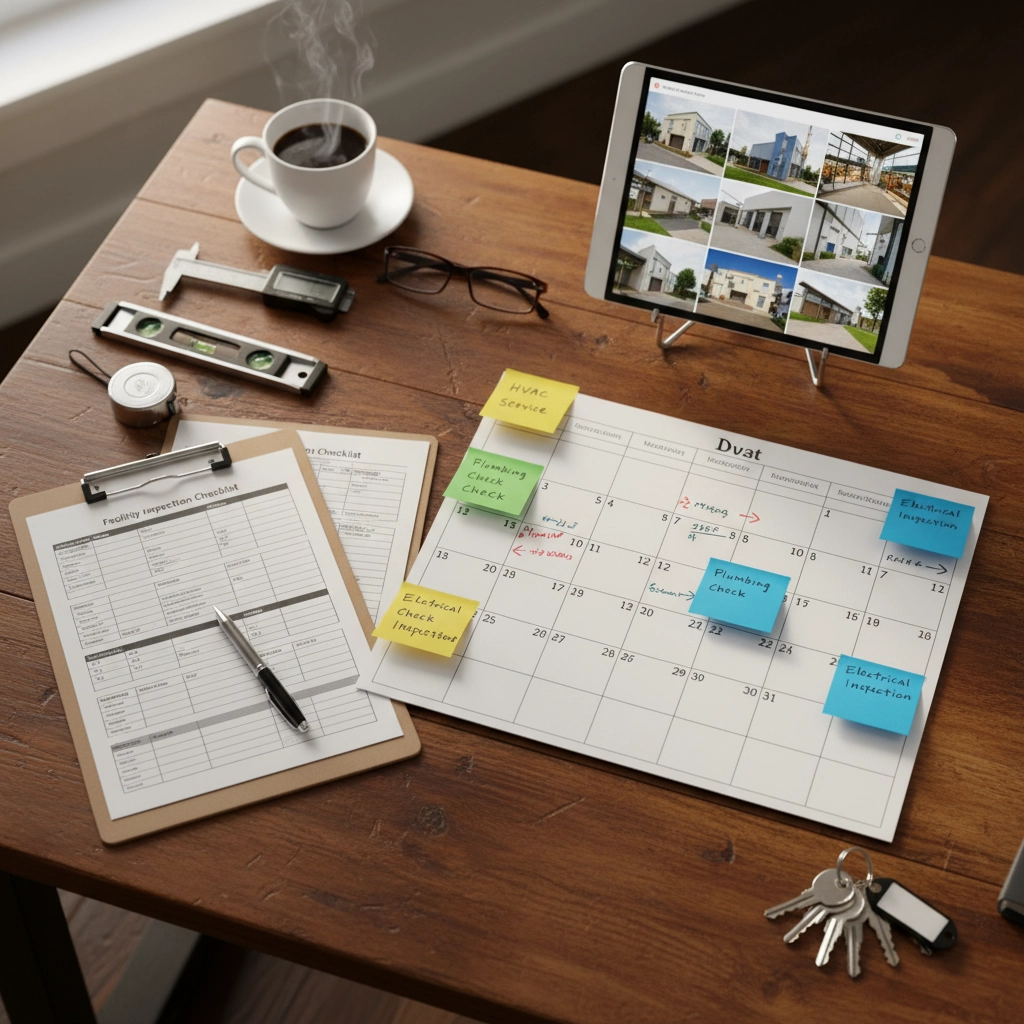
1. Create a Comprehensive Preventive Maintenance Schedule
Successful property protection starts with a detailed maintenance calendar that accounts for Philadelphia's unique challenges. Your schedule should include monthly, seasonal, and annual tasks that address everything from HVAC servicing to gutter cleaning.
Document everything in a maintenance log that tracks when work was completed, what was done, and what needs attention in the future. This systematic approach helps you stay ahead of problems and provides valuable documentation for insurance claims or property sales.
2. Prioritize Roof and Gutter Maintenance
Philadelphia's weather is particularly hard on roofing systems. Heavy snow loads in winter, summer thunderstorms, and freeze-thaw cycles all take their toll. Schedule professional roof inspections at least annually, and address any issues immediately.
Clean gutters and downspouts regularly to prevent ice dams in winter and water damage during heavy rains. Proper water management is crucial for protecting your property's foundation and preventing expensive structural problems.
3. Maintain Plumbing Systems Proactively
Philadelphia's older properties often have aging plumbing that requires extra attention. Check for leaks regularly, especially in basements and around water fixtures. Flush water heaters annually to remove sediment buildup that reduces efficiency and shortens equipment life.
Before winter arrives, ensure all pipes are properly insulated and that tenants know how to prevent freezing. Plumbing emergencies are not only expensive but can also cause extensive water damage that affects your property's value.
4. Service HVAC Systems Seasonally
Philadelphia's temperature extremes mean your heating and cooling systems work overtime. Schedule professional HVAC maintenance before each heating and cooling season to ensure systems are running efficiently.
Replace filters regularly, clean ductwork annually, and address any performance issues immediately. A well-maintained HVAC system not only prevents expensive breakdowns but also keeps energy costs reasonable for tenants, which can be a competitive advantage in the rental market.
5. Address Electrical System Safety
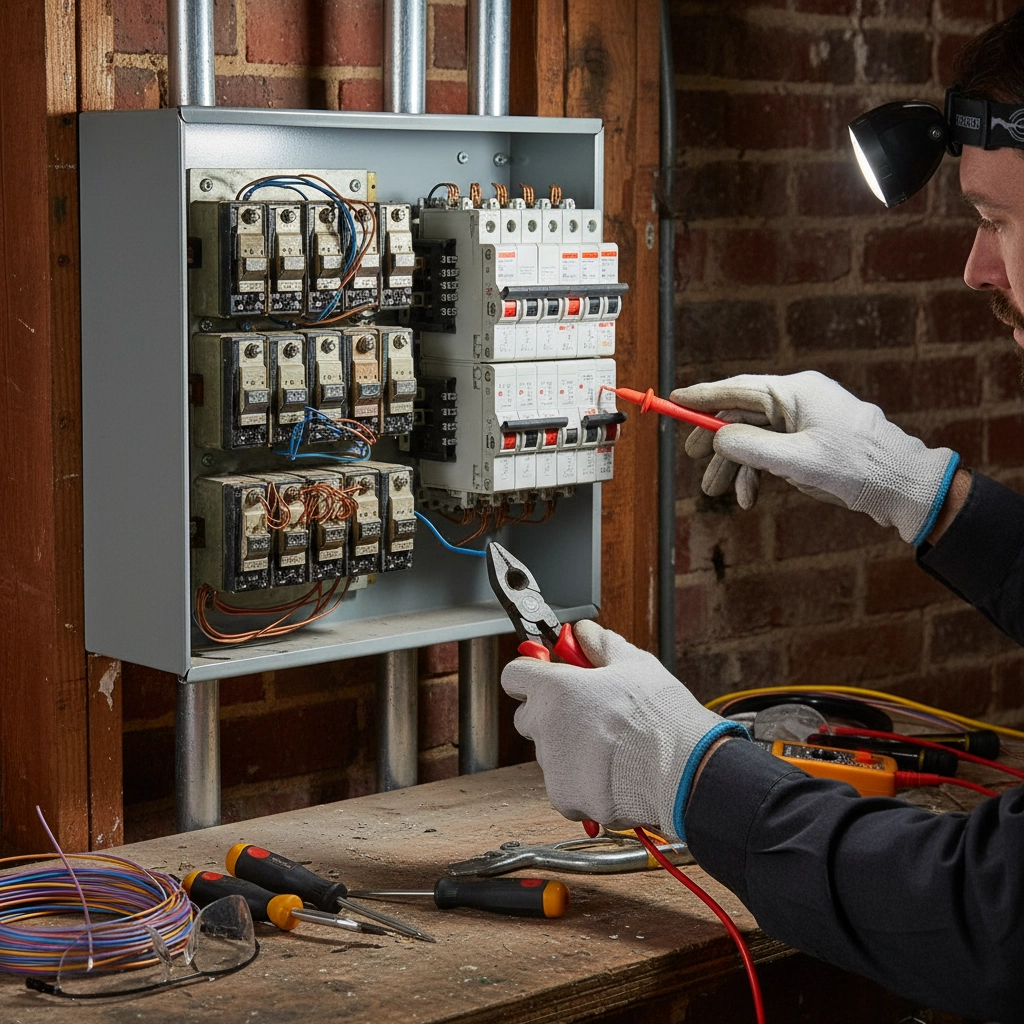
Many Philadelphia properties have electrical systems that weren't designed for modern usage. Schedule regular electrical inspections to ensure systems are safe and up to code. Upgrade outdated wiring, install GFCI outlets where required, and ensure all electrical work is performed by licensed professionals.
Electrical problems can be dangerous and expensive, potentially leading to fires or electrocution risks that expose you to serious liability. Stay ahead of these issues with proactive maintenance and upgrades.
6. Implement Regular Pest Prevention
Philadelphia's urban environment and older housing stock create ideal conditions for pest problems. Implement a proactive pest control program that addresses common issues before they become infestations.
Seal cracks and entry points, maintain clean common areas, and work with professional exterminators to create a prevention strategy. Addressing pest issues early protects your property and keeps tenants satisfied.
7. Budget Realistically for Maintenance
Create a maintenance reserve fund that accounts for Philadelphia's higher-than-average maintenance costs. Older properties in the city typically require 2-3% of their value in annual maintenance, with some requiring even more.
This budget should cover both routine preventive maintenance and unexpected repairs. Having adequate reserves prevents you from deferring necessary maintenance when unexpected expenses arise.
8. Partner with Reliable Local Contractors
Develop relationships with licensed, insured contractors who understand Philadelphia's building codes and common property issues. Having trusted professionals for plumbing, electrical, HVAC, and general maintenance saves time and ensures quality work.
Vet all contractors carefully, checking licenses, insurance, and references. The cheapest option often becomes the most expensive when work needs to be redone or creates additional problems.
9. Stay Current with Philadelphia Building Codes
Philadelphia's building codes are regularly updated, and staying compliant is essential for avoiding fines and protecting your investment. Subscribe to city updates, attend landlord education sessions, and work with professionals who stay current with code changes.
Non-compliance can result in expensive fines, forced repairs, and even rental restrictions that impact your cash flow. Staying ahead of code requirements protects both your investment and your tenants.
10. Consider Professional Property Management
For many investors, partnering with a professional property management company is the most effective way to protect their Philadelphia investments. Experienced property managers understand local challenges, have established contractor relationships, and can implement comprehensive maintenance programs.
While property management fees reduce your immediate cash flow, the protection they provide often more than pays for itself through prevented emergencies, better tenant retention, and professional maintenance oversight.
The Bottom Line
Protecting your Philadelphia property investment requires a proactive approach that acknowledges the city's unique challenges. By avoiding common maintenance mistakes and implementing comprehensive protective strategies, you can preserve your property's value, minimize unexpected expenses, and maintain the cash flow that makes real estate investment worthwhile.
Remember that preventive maintenance isn't an expense: it's an investment in your property's long-term performance and your own peace of mind. Take action today to protect your Philadelphia property investment before small problems become big expenses.
Leave a Reply