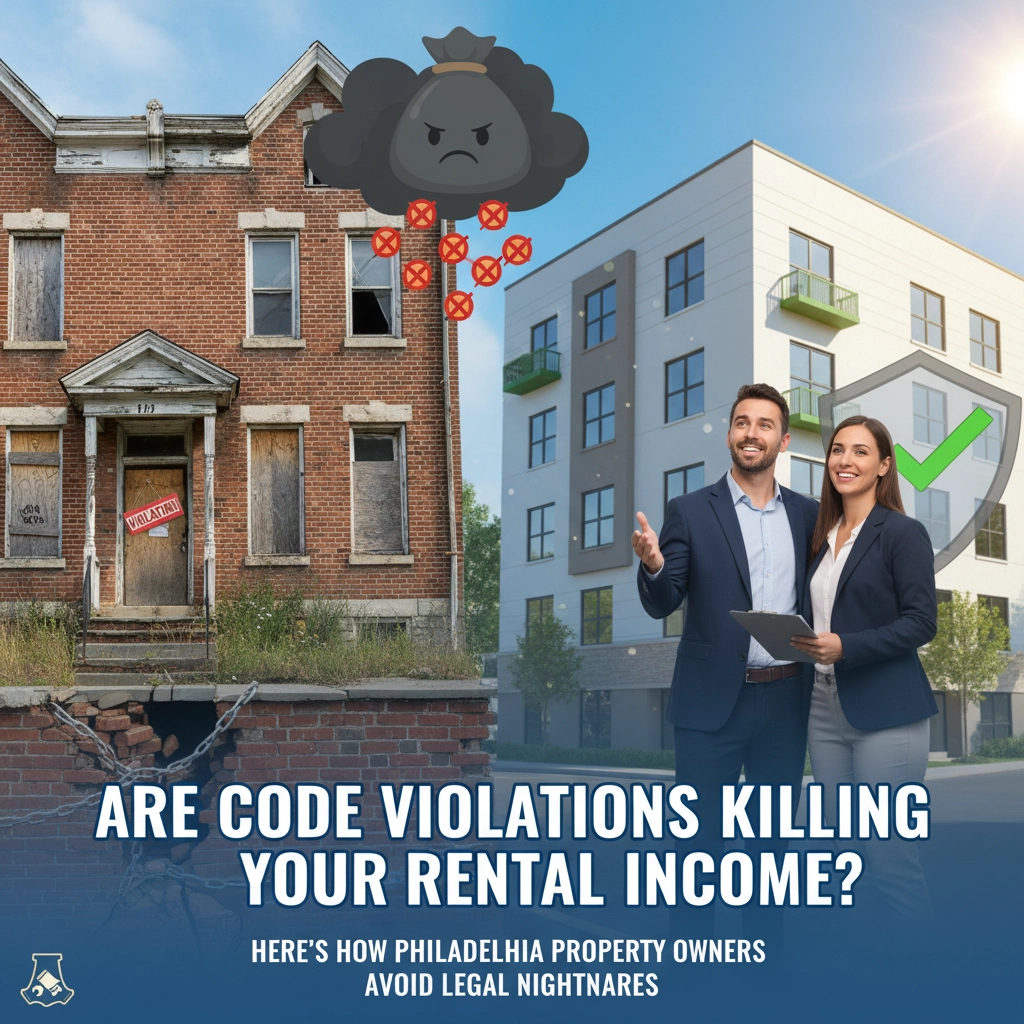
Picture this: You're a Philadelphia property owner collecting steady rental income when suddenly, you receive a notice from the Department of Licenses and Inspections (L&I). What starts as a "minor" code violation quickly snowballs into thousands of dollars in daily fines, tenant complaints, and legal headaches that eat away at your profits. Unfortunately, this scenario plays out for hundreds of Philadelphia landlords every year.
The good news? Code violations don't have to be income killers. With the right knowledge and proactive approach, you can protect your investment and keep your rental properties profitable while staying compliant with Philadelphia's regulations.
Philadelphia's Code Violation System Hits Hard and Fast
Philadelphia doesn't mess around when it comes to code enforcement. The city operates a three-tier violation system that can quickly drain your rental income if you're not prepared.
Class 1 violations carry $300 daily fines and include issues like overgrown weeds, missing rental licenses, or improper garbage storage. While these might seem minor, the daily accumulation adds up fast.
Class 2 violations hit you with $1,000 daily fines for more serious infractions like blocked exits, faulty electrical work, or structural issues that pose moderate safety risks.
Class 3 violations are the income killers: $2,000 per day for severe hazards like renting uninhabitable units, major structural problems, or conditions that seriously endanger tenant safety.
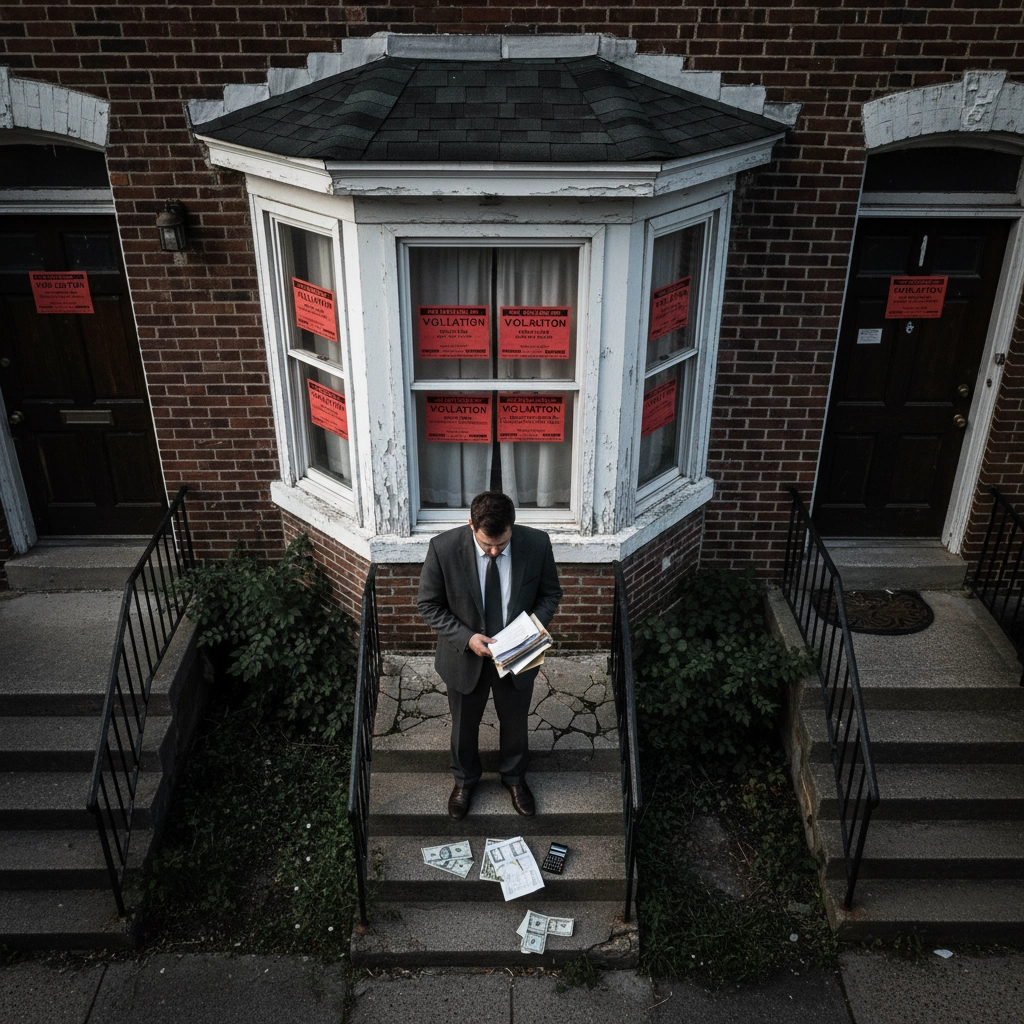
Here's where it gets expensive: These fines accrue daily, not as one-time penalties. A single Class 3 violation left unresolved for just three months can cost you $180,000 in fines. That's enough to wipe out years of rental income from a property.
The Most Common Violations Catching Property Owners Off Guard
After working with hundreds of Philadelphia property owners, certain violations consistently blindside landlords who thought they were doing everything right:
Missing or expired rental licenses are the low-hanging fruit for L&I inspectors. This Class 1 violation is entirely preventable but catches many new landlords who don't realize Philadelphia requires licensing for 82% of rental properties.
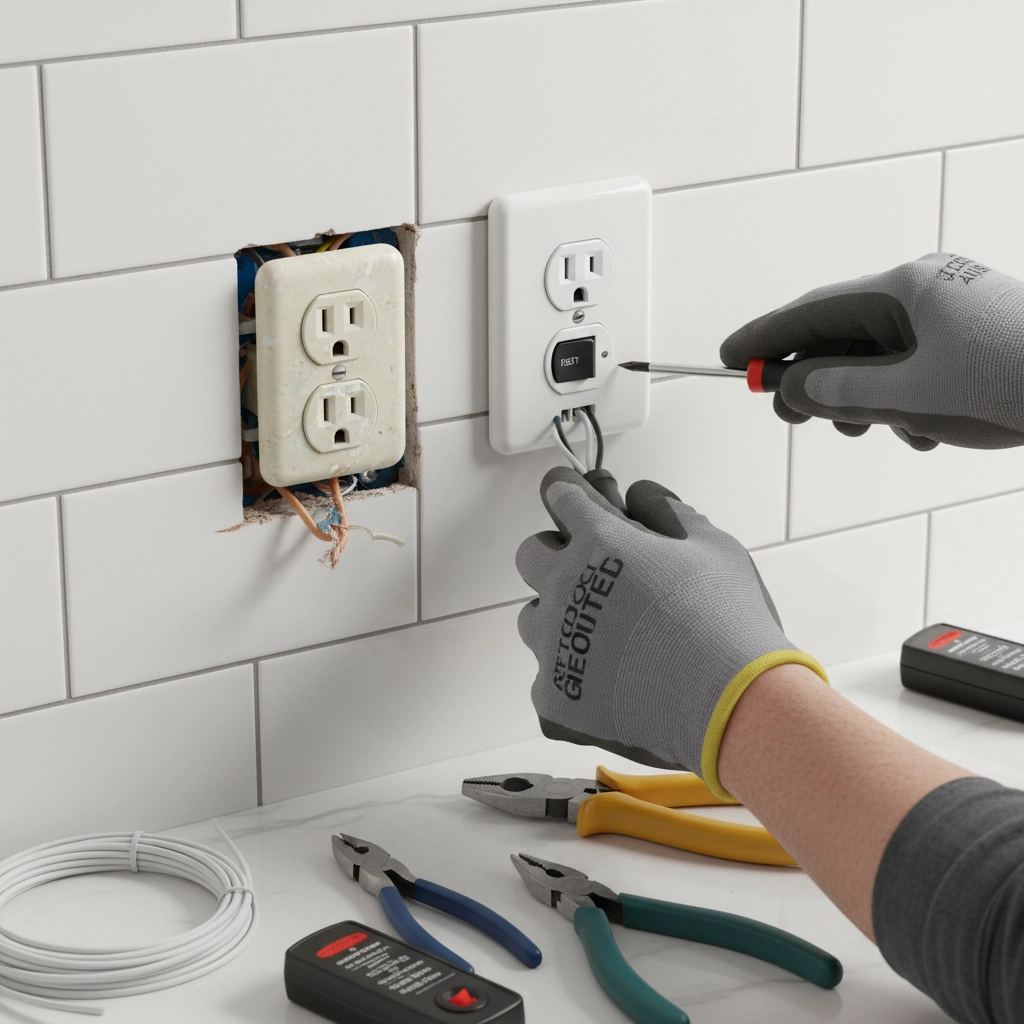
GFCI outlet issues trip up many owners during PHA inspections. Philadelphia requires GFCI protection in bathrooms, kitchens, and outdoor areas, but many older properties haven't been updated to meet current electrical codes.
Lead paint violations are particularly costly because they often trigger Class 2 or 3 designations. Properties built before 1978 must comply with specific lead-safe work practices, and violations here can result in lengthy compliance periods and hefty fines.
Inadequate heat and hot water violations spike during winter months when tenants file complaints about insufficient heating or unreliable hot water systems.
The Hidden Costs Beyond Daily Fines
While the daily fines grab attention, code violations create additional financial burdens that many property owners overlook:
Legal fees start accumulating if your case moves from Municipal Court to Court of Common Pleas. Complex cases requiring injunctive relief can result in thousands in attorney fees.
Lost rental income from vacant units adds up when violations prevent you from re-renting properties. Some violations require units to remain vacant until corrections are completed and reinspections pass.
Tenant retaliation claims can expose you to additional liability. Philadelphia law prohibits landlords from evicting tenants, raising rent, or changing lease terms in response to code enforcement complaints. Violating these protections opens you up to fair housing complaints and additional legal exposure.
Property value impact affects your long-term investment when unresolved violations create liens against your property or force emergency sales to cover accumulated fines.
Your Action Plan for Violation Prevention
Smart Philadelphia property owners don't wait for violations to happen: they prevent them with systematic maintenance and compliance strategies.
Start with licensing compliance. Ensure all your rental properties have current licenses with the city. This single step eliminates the most common violation and demonstrates good faith compliance to inspectors.
Implement quarterly self-inspections using the same checklist L&I inspectors follow. Focus on common problem areas: GFCI outlets, smoke detectors, structural integrity, lead paint conditions, and heating systems.
Document everything. Keep detailed maintenance records, photos of completed repairs, and certificates from licensed contractors. This documentation proves compliance efforts and can help during appeals or court proceedings.
Build relationships with qualified contractors who understand Philadelphia code requirements. Having trusted electricians, plumbers, and general contractors on call means faster response times when issues arise.

Monitor tenant communications for early warning signs. Tenants often mention maintenance concerns before filing formal complaints. Addressing these proactively prevents complaint-driven inspections.
What to Do When Violations Strike
Despite your best prevention efforts, violations can still happen. Your response determines whether you face manageable repair costs or devastating financial consequences.
Act immediately upon receiving violation notices. You typically have 30 days to correct standard violations, but this timeline can be shorter for hazardous conditions. Don't waste time hoping the problem will go away.
Understand your compliance timeline. L&I provides specific deadlines for corrections and reinspections. Missing these deadlines triggers the daily fine accumulation that turns minor violations into major financial disasters.
Consider professional violation compliance assistance. Experienced property management companies understand Philadelphia's enforcement process and can navigate corrections more efficiently than most individual property owners.
Document your correction efforts with photos, contractor invoices, and written descriptions of completed work. This evidence supports your case if disputes arise during reinspection.
When Professional Help Pays for Itself
Many Philadelphia property owners try to handle code violations themselves, but professional assistance often saves more money than it costs: especially for complex or multiple violations.
Professional property management companies specializing in violation compliance Philadelphia services understand the inspector mindset and know exactly what corrections satisfy enforcement requirements. They've seen the same violations repeatedly and know the most cost-effective solutions.
For PHA inspection pass requirements, experienced managers know which issues inspectors prioritize and how to prepare properties for successful inspections on the first attempt. Failed inspections mean additional fees, delayed rental income, and extended vacancy periods.
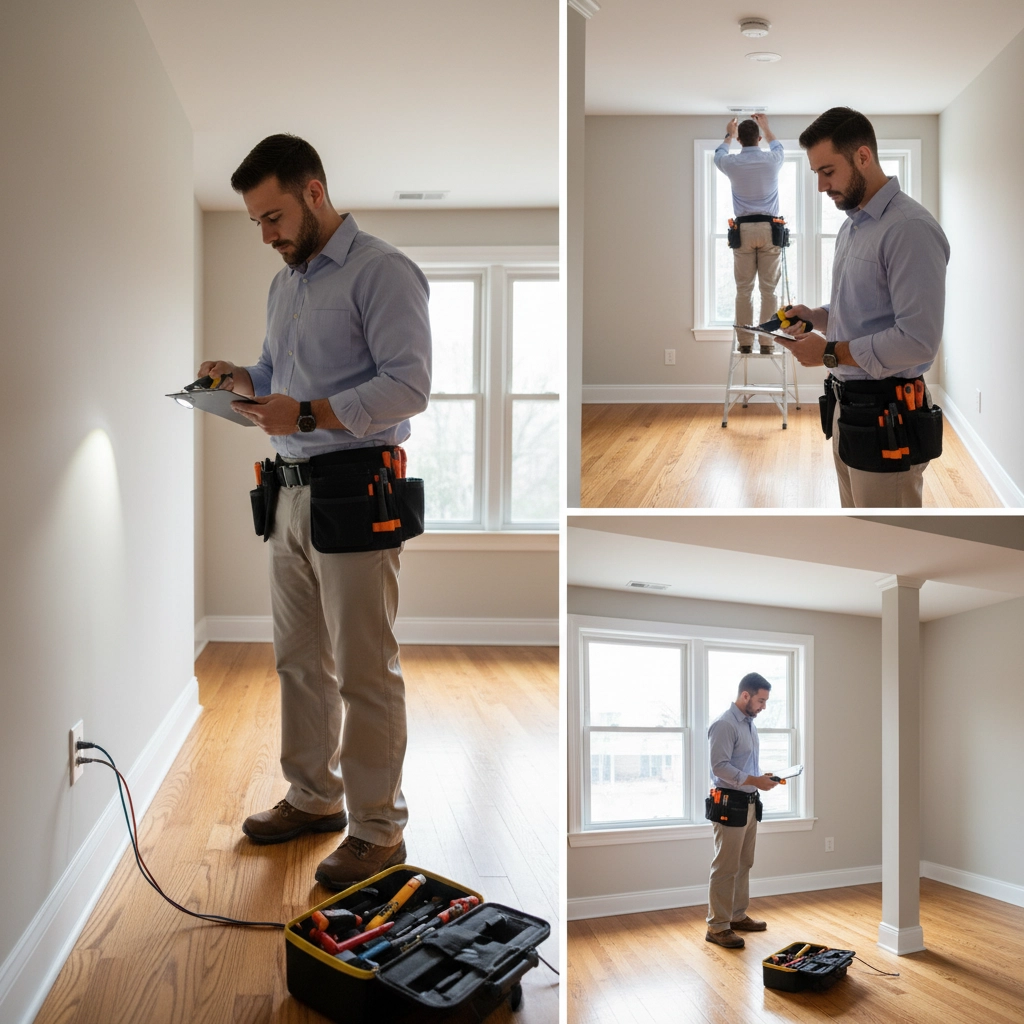
C&A Property Services has helped hundreds of Philadelphia property owners navigate code violations and achieve PHA inspection compliance. Our systematic approach focuses on cost-effective corrections that satisfy inspectors while protecting your rental income.
Building Long-Term Compliance Success
Sustainable code compliance requires viewing it as an ongoing investment in your property's profitability rather than an annoying regulatory burden.
Create annual maintenance budgets that include code compliance updates. Setting aside funds for electrical upgrades, lead paint remediation, and other common requirements prevents violations from becoming financial emergencies.
Stay informed about code changes. Philadelphia regularly updates its housing codes, and what was compliant last year might trigger violations today. Professional property management services monitor these changes and notify property owners of new requirements.
Track violation trends in your neighborhood. L&I often focuses enforcement efforts on specific areas or violation types. Understanding these patterns helps you prepare for increased scrutiny.
Your Next Steps
Code violations don't have to kill your rental income, but they will if you ignore them or handle them poorly. The most successful Philadelphia property owners treat code compliance as a core business function rather than an afterthought.
If you're currently dealing with violations or want to prevent them from happening, consider partnering with experienced professionals who understand Philadelphia's enforcement landscape. The cost of professional violation compliance assistance is minimal compared to the financial devastation of unresolved violations.
Ready to protect your rental income from code violation nightmares? Contact C&A Property Services to discuss how our Philadelphia property management expertise can safeguard your investment and keep your properties profitable and compliant.
Leave a Reply