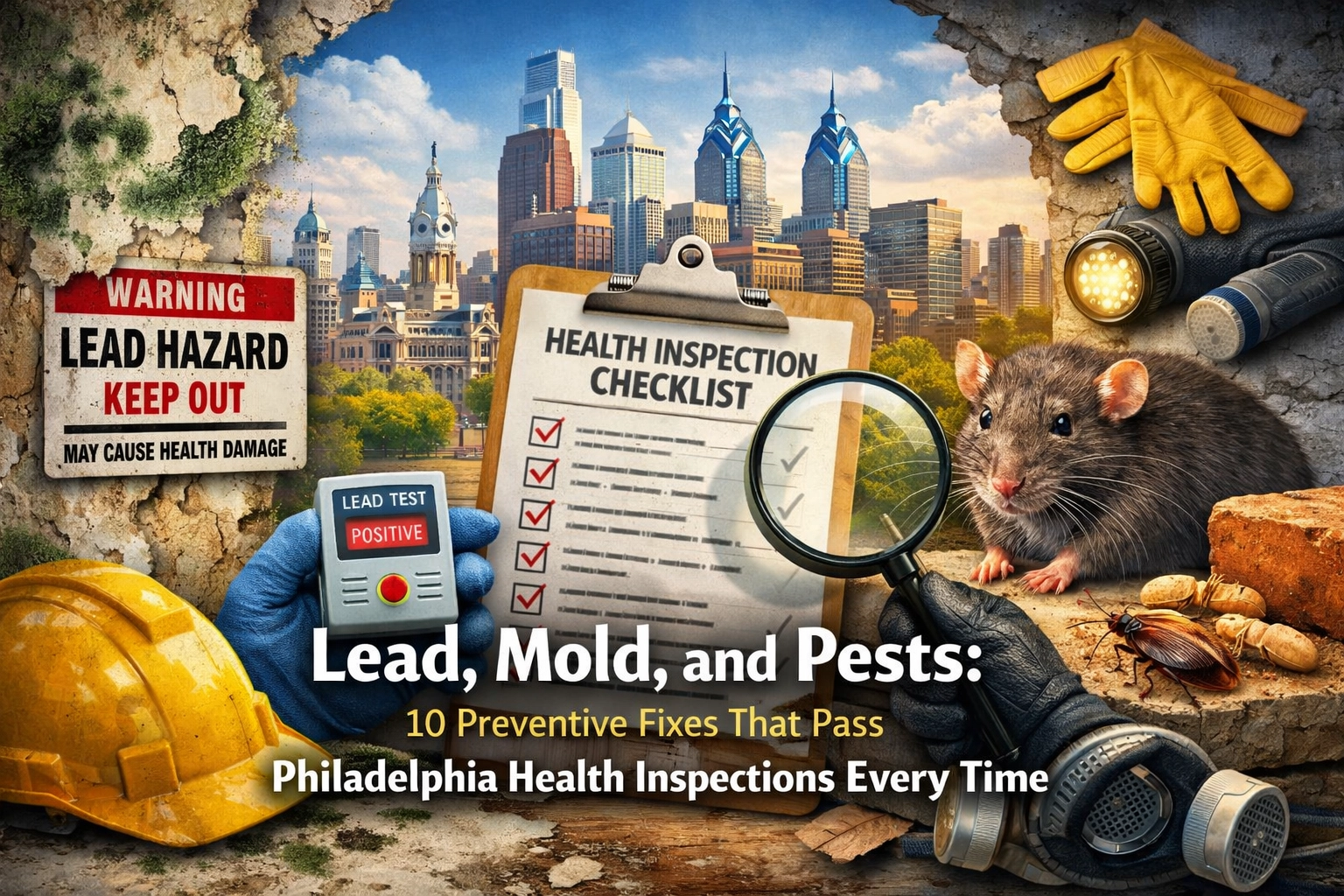
Here's the thing about Philadelphia health inspections: they're not going anywhere. Whether you're prepping for a routine PHA inspection or dealing with a tenant complaint that triggered an L&I visit, the big three violations: lead, mold, and pests: can derail your rental operations fast.
The good news? Most inspection failures are completely preventable. You just need to know what inspectors are actually looking for and address those issues before they become citations. We've worked with hundreds of Philadelphia property managers and real estate investors who've learned this the hard way, so let's talk about the 10 preventive fixes that consistently pass inspection and keep your properties compliant.
Lead Prevention: Address It Before Inspectors Find It
Philadelphia takes lead violations seriously, especially in pre-1978 properties. Here's how to stay ahead of inspections.
1. Friction Surface Testing and Repainting
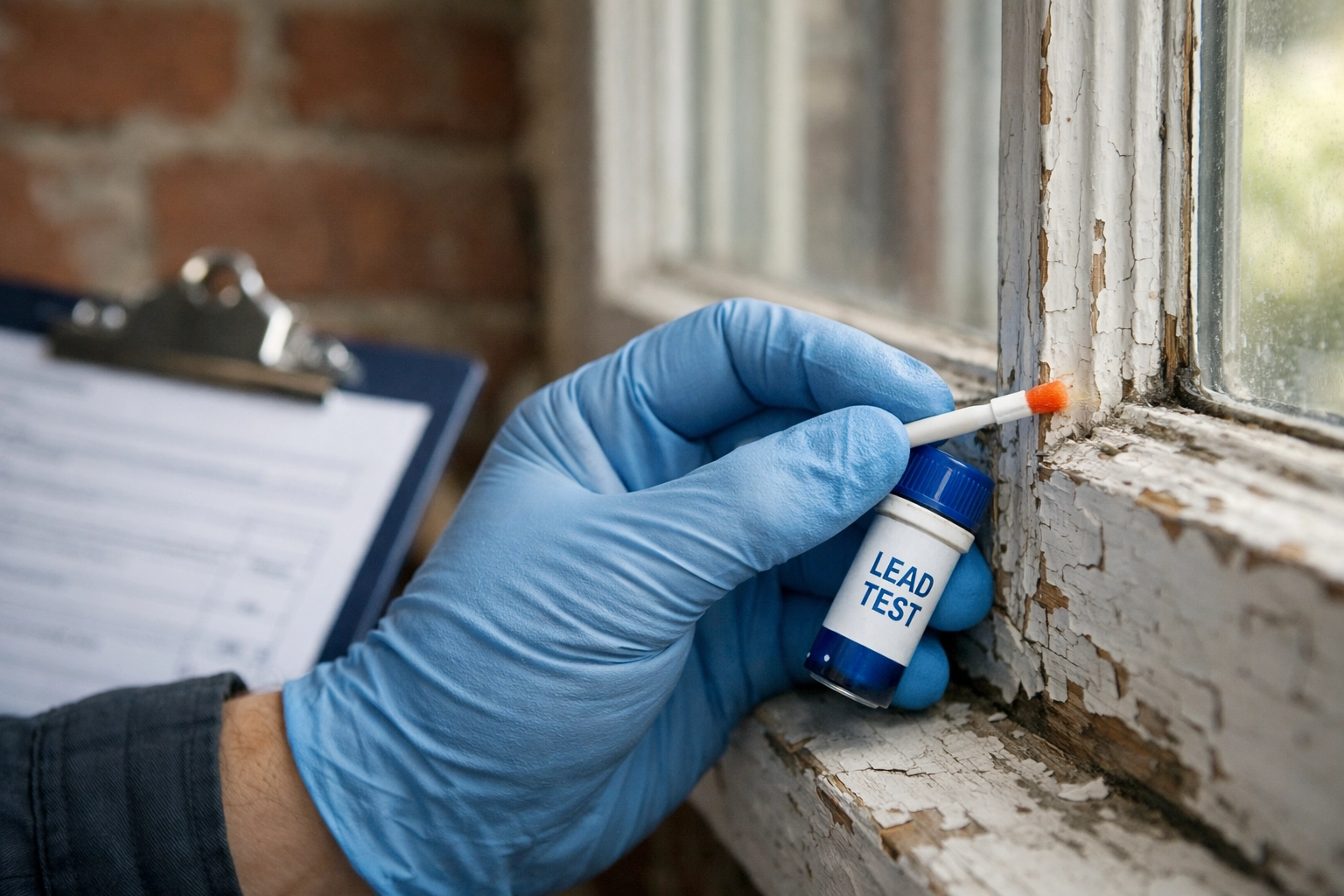
Windows, doors, and stair railings are where lead paint violations happen most often. Friction surfaces deteriorate faster, and that's exactly where inspectors check first. Schedule annual testing on all painted friction surfaces, and repaint with lead-safe practices whenever you see chips, cracks, or peeling paint.
Don't wait for visible damage. If your property was built before 1978 and you haven't tested friction surfaces in over a year, you're playing inspection roulette. C&A Property Services handles lead-safe painting with certified contractors who know Philadelphia's specific requirements: no shortcuts, no surprises during inspections.
2. Window Wells and Exterior Paint Monitoring
Exterior window wells collect water, which accelerates paint deterioration. Inspectors know this, and they'll check these areas closely. Walk your properties quarterly and look for paint breakdown around window frames, exterior trim, and any area where water might pool.
If you spot issues, address them immediately with lead-safe remediation. For multi-unit properties, this becomes a systematic preventive maintenance philadelphia routine that prevents violations before tenants even notice problems.
3. Dust Wipe Testing After Any Renovation
Here's where property managers get caught: you complete a bathroom renovation, the work looks great, but you failed to conduct post-renovation dust wipe testing. Philadelphia requires this for any work that disturbs painted surfaces in pre-1978 properties.
Make dust wipe testing non-negotiable after every renovation, turnover, or repair that involves scraping, sanding, or removing painted materials. Document everything. When inspectors ask for your compliance records, you'll have them ready.
Mold Prevention: Control Moisture, Pass Inspections
Mold isn't just a health hazard: it's an inspection failure waiting to happen. Philadelphia inspectors look for visible mold and the conditions that create it.
4. HVAC Inspection and Filter Replacement Schedule
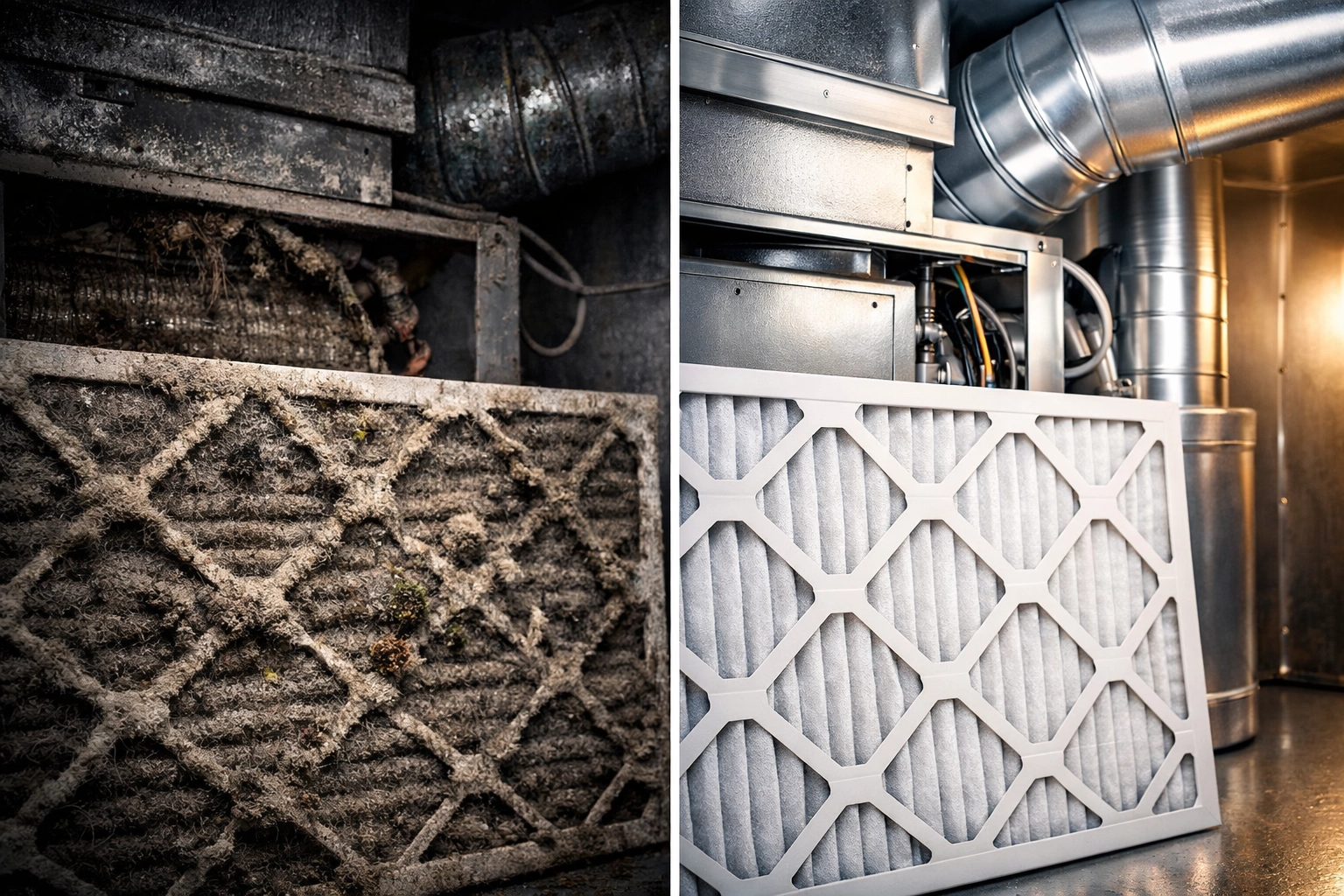
Your HVAC system is either preventing mold or creating it. Dirty filters, clogged condensate lines, and poorly maintained ductwork create the perfect environment for mold growth. Establish a quarterly HVAC maintenance schedule that includes:
- Filter replacement
- Condensate line cleaning
- Ductwork inspection for moisture
- Thermostat calibration
This isn't just about passing inspections: it's about preventing the expensive mold remediation that happens when you ignore HVAC maintenance. C&A coordinates these routine checks as part of comprehensive property maintenance programs that address multiple inspection categories at once.
5. Bathroom and Kitchen Ventilation Upgrades
Inadequate ventilation is the number one cause of mold in Philadelphia rentals. If your bathroom exhaust fans are original to a 1980s renovation, they're probably not moving enough air. Upgrade to properly sized fans with humidity sensors, and make sure they vent to the exterior: not into the attic.
Check kitchen range hoods too. They should actually remove moisture and cooking fumes, not just recirculate air. These fixes prevent mold before it starts and show inspectors you're serious about violation compliance philadelphia.
6. Basement and Crawl Space Moisture Control
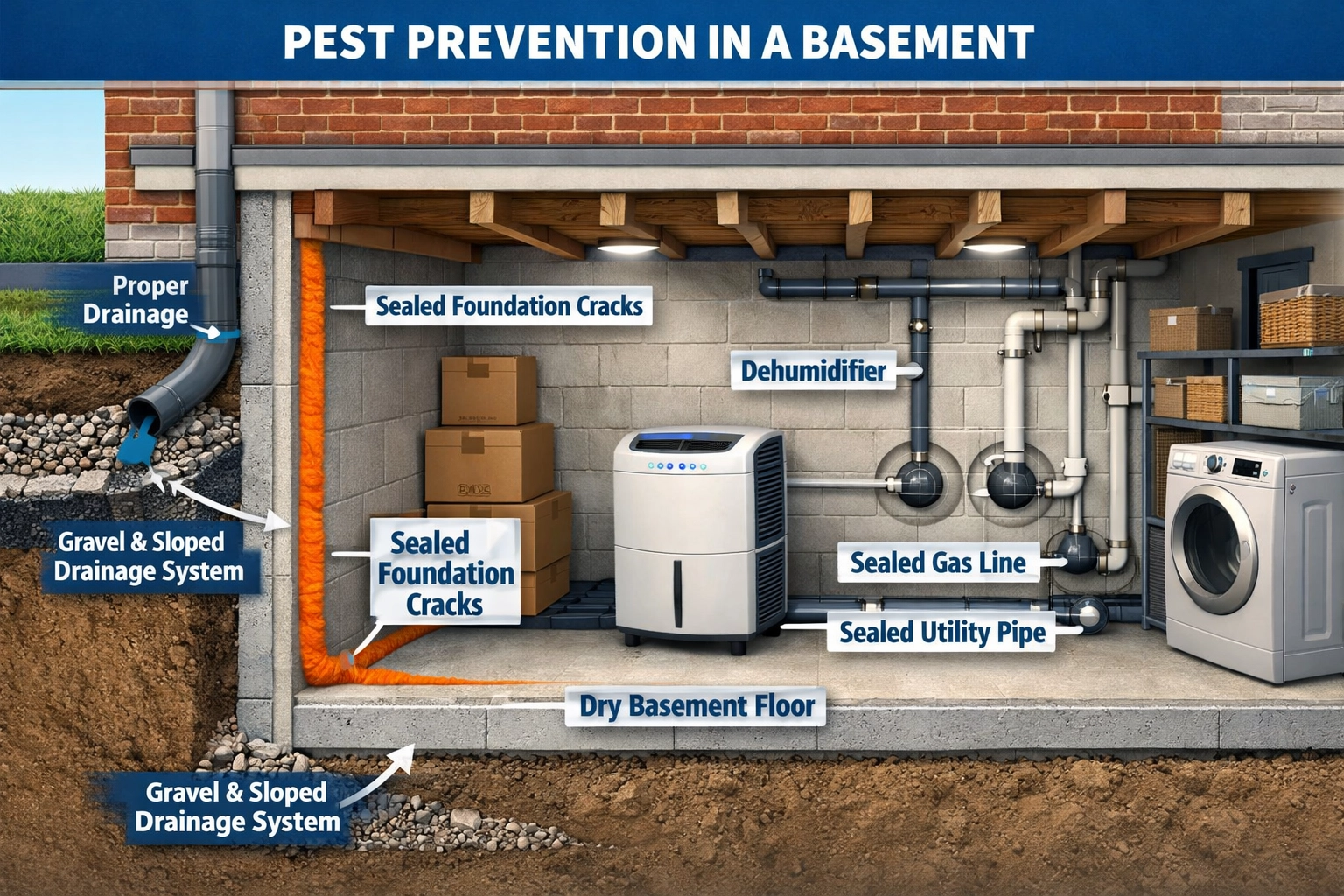
Philadelphia properties with basements are mold magnets if you're not controlling moisture. Install dehumidifiers in finished basements, ensure proper drainage around foundation walls, and check for groundwater intrusion after heavy rains.
Crawl spaces need vapor barriers and adequate ventilation. If you've got standing water or visible moisture in these areas, address it before scheduling any inspection. Inspectors will fail properties with obvious moisture problems, and tenants will complain about musty odors long before inspection day arrives.
7. Immediate Water Damage Response Protocol
When water damage happens: burst pipes, roof leaks, appliance failures: your response time determines whether you're dealing with a simple repair or a mold remediation project. Establish a 24-hour response protocol for water damage that includes:
- Immediate water extraction
- Removal of soaked porous materials (drywall, carpet, insulation)
- Industrial drying equipment within 48 hours
- Documentation of the entire process
C&A Property Services provides emergency response for water damage situations because we know that rapid action prevents mold growth and inspection failures. You can review our approach to preventive maintenance philadelphia at this detailed guide.
Pest Prevention: Systematic Approaches That Work
Pest violations tank PHA inspection scores faster than almost anything else. Here's how to maintain pest-free properties.
8. Quarterly Professional Pest Inspections
Don't wait for tenant complaints or inspector citations. Schedule quarterly professional pest inspections that specifically look for:
- Entry points around pipes, vents, and foundation cracks
- Evidence of rodent activity in basements and attics
- Signs of cockroach infestation in kitchens and bathrooms
- Termite damage in wooden structures
Professional inspectors catch problems early, when they're cheap to fix. Waiting until you see actual pests means you've already got an infestation that will show up during health inspections.
9. Exterior Perimeter Sealing and Landscaping Maintenance
Pests enter buildings from the outside, so that's where prevention starts. Walk the perimeter of your properties and seal any gaps larger than a quarter inch. Pay special attention to areas where utilities enter the building: these are superhighways for rodents and insects.
Keep landscaping trimmed back from building exteriors. Overgrown shrubs and tree branches touching buildings create pest bridges. Maintain at least 18 inches of clearance between vegetation and building walls, and remove any debris piles, old lumber, or items that create harborage areas.
10. Trash Management and Tenant Education
Here's a reality check: even perfect pest prevention fails if tenants are creating food sources. Provide adequate trash receptacles with tight-fitting lids, establish clear trash removal schedules, and include pest prevention requirements in your lease agreements.
Consider semi-annual tenant education communications that cover proper food storage, immediate cleanup of spills, and prompt reporting of any pest sightings. When tenants understand their role in pest prevention, your inspection results improve dramatically.
For comprehensive guidance on passing PHA inspections, check out this complete compliance guide that covers these topics and more.
The C&A Advantage: One Partner, Complete Compliance
Look, managing all these preventive maintenance tasks across multiple properties is complicated. You're coordinating lead testing, mold remediation, pest control, HVAC maintenance, and emergency repairs: often with different vendors who don't communicate with each other.
That's where C&A Property Services changes the game. We provide comprehensive property maintenance solutions that address lead, mold, and pest prevention as integrated services, not separate headaches. One partner handles your preventive maintenance philadelphia needs, coordinates all inspections, maintains documentation for compliance, and responds immediately when issues arise.
We've helped Philadelphia property managers cut maintenance costs while improving inspection pass rates because we understand that violation compliance philadelphia isn't about reacting to problems: it's about preventing them systematically.
Your properties deserve better than patchwork maintenance that leaves you vulnerable to inspection failures. These 10 preventive fixes work because they address the root causes of lead, mold, and pest violations before inspectors ever arrive. Implement them consistently, document everything, and you'll pass health inspections every time.
Ready to simplify your compliance strategy? Contact C&A Property Services and let's build a preventive maintenance program that keeps your Philadelphia properties inspection-ready year-round.
Leave a Reply