
Owning property in Philadelphia can be incredibly rewarding. But let's be real: it can also drain your wallet fast if you're not careful. Between aging infrastructure, unpredictable weather, and strict local codes, there's a lot that can go wrong.
The good news? Most expensive property disasters are preventable. That's where preventive maintenance comes in.
In this post, we'll break down why preventive maintenance in Philadelphia is essential, what systems need attention, and how you can protect your investment without breaking the bank.
Why Preventive Maintenance Matters for Philadelphia Properties
Here's a simple truth: it's always cheaper to prevent a problem than to fix one.
Emergency repairs in Philadelphia can easily run into the thousands. A burst pipe in January? That's water damage, mold remediation, and possibly displaced tenants. A failed HVAC system in August? Now you're scrambling for an emergency technician while angry tenants blow up your phone.
Preventive maintenance flips the script. Instead of reacting to disasters, you're staying ahead of them. Regular inspections, timely repairs, and scheduled replacements keep your systems running smoothly: and your costs predictable.
For property owners and managers in Philadelphia, this approach isn't just smart. It's essential.
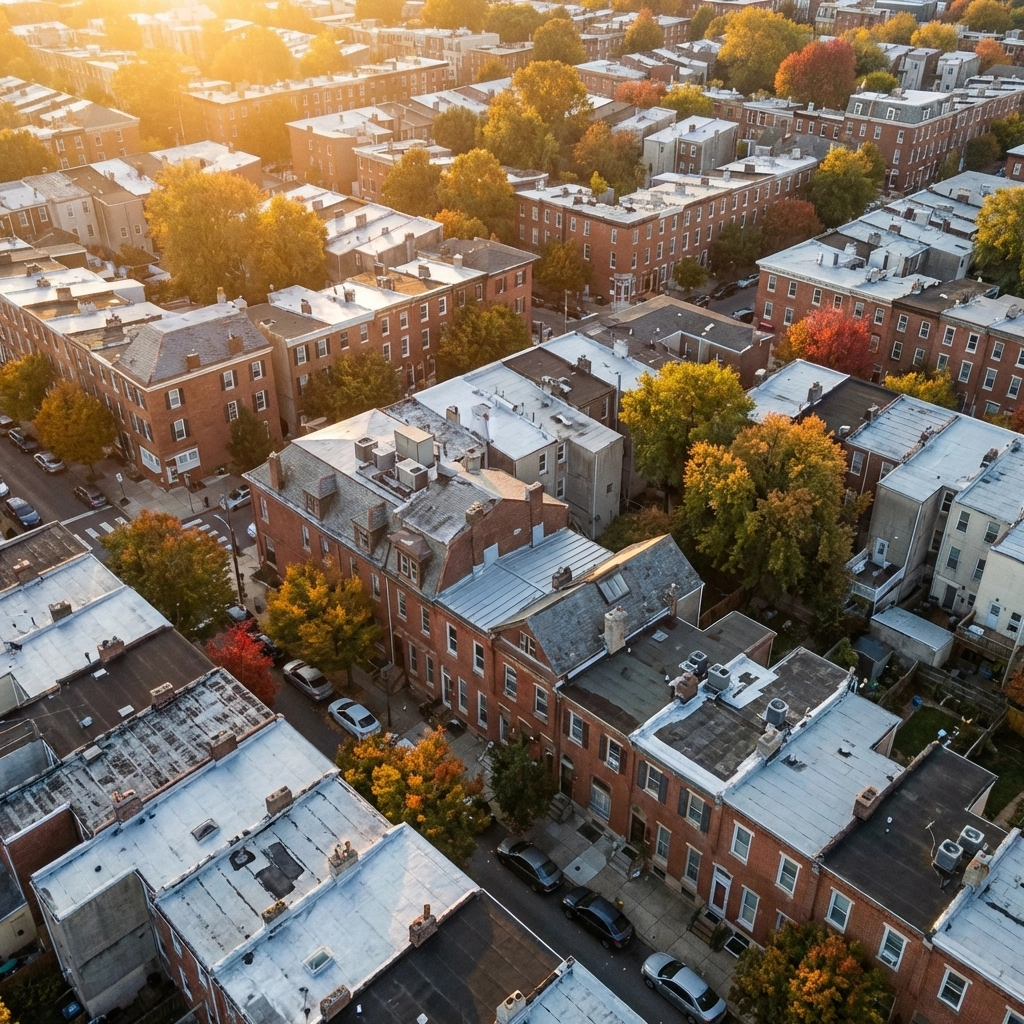
Philadelphia's Unique Property Challenges
Not all cities are created equal when it comes to property maintenance. Philadelphia has its own set of challenges that make proactive care even more important.
Aging Infrastructure
Many Philadelphia properties are decades old: some dating back over a century. Older buildings mean older plumbing, electrical systems, and foundations. Without regular attention, these systems fail. And when they fail, repairs get expensive fast.
Seasonal Weather Extremes
Philadelphia experiences the full range of seasons. Freezing winters stress heating systems, pipes, and roofing. Hot, humid summers push HVAC systems to their limits. This constant cycle of expansion and contraction wears down components faster than you might expect.
Strict Local Codes
Philadelphia has specific building codes and inspection requirements. Properties that fall out of compliance face fines, legal issues, and unhappy tenants. Preventive maintenance helps you stay ahead of code requirements: before inspectors come knocking.
If you want to dive deeper into compliance issues, check out our post on how to beat costly code violations in Philadelphia.
Key Systems to Prioritize
Not all maintenance tasks are created equal. Some systems need more attention than others. Here's where to focus your preventive maintenance efforts in Philadelphia.
HVAC Systems
Your heating and cooling systems work hard in Philadelphia. Schedule inspections twice a year: once before summer and once before winter. During these visits, technicians should:
- Clean ducts and vents
- Replace filters
- Check refrigerant levels
- Test safety controls
- Inspect electrical connections
A well-maintained HVAC system runs more efficiently, lasts longer, and keeps tenants comfortable year-round.

Plumbing
Philadelphia's older properties often have aging pipes that are prone to leaks, clogs, and corrosion. Regular plumbing inspections can catch small issues before they become major water damage events.
Pay special attention to:
- Water heaters (flush annually)
- Exposed pipes in unheated areas (insulate before winter)
- Drain lines and sewer connections
- Faucets and fixtures showing signs of wear
Electrical Systems
Faulty wiring is a fire hazard and a code violation. Make electrical inspections part of your preventive maintenance routine. This includes:
- Testing smoke detectors and carbon monoxide alarms monthly
- Checking GFCI outlets in kitchens and bathrooms
- Hiring a licensed electrician for comprehensive inspections every few years
- Replacing outdated panels or wiring as needed
Roofing and Exterior
Your roof is your property's first line of defense against the elements. Schedule annual roof inspections to check for:
- Missing or damaged shingles
- Flashing issues around vents and chimneys
- Gutter blockages
- Signs of water intrusion
Catching a small roof issue early can save you from a full replacement down the road.
The Cost of Reactive vs. Preventive Maintenance
Let's talk numbers. Many property owners skip preventive maintenance because they think they're saving money. In reality, they're just delaying costs: and usually making them worse.
Here's a quick comparison:
| Issue | Reactive Cost | Preventive Cost |
|---|---|---|
| HVAC failure | $3,000 – $8,000+ | $200 – $400/year |
| Burst pipe | $2,000 – $10,000+ | $150 – $300/year |
| Roof replacement | $10,000 – $25,000+ | $200 – $500/year |
| Electrical fire damage | $15,000+ | $100 – $250/year |
The math is clear. Preventive maintenance costs a fraction of emergency repairs. And it protects your property value, keeps tenants happy, and reduces liability.
We've written more about common mistakes that lead to costly repairs in our post on 10 preventive maintenance mistakes Philadelphia property owners make.
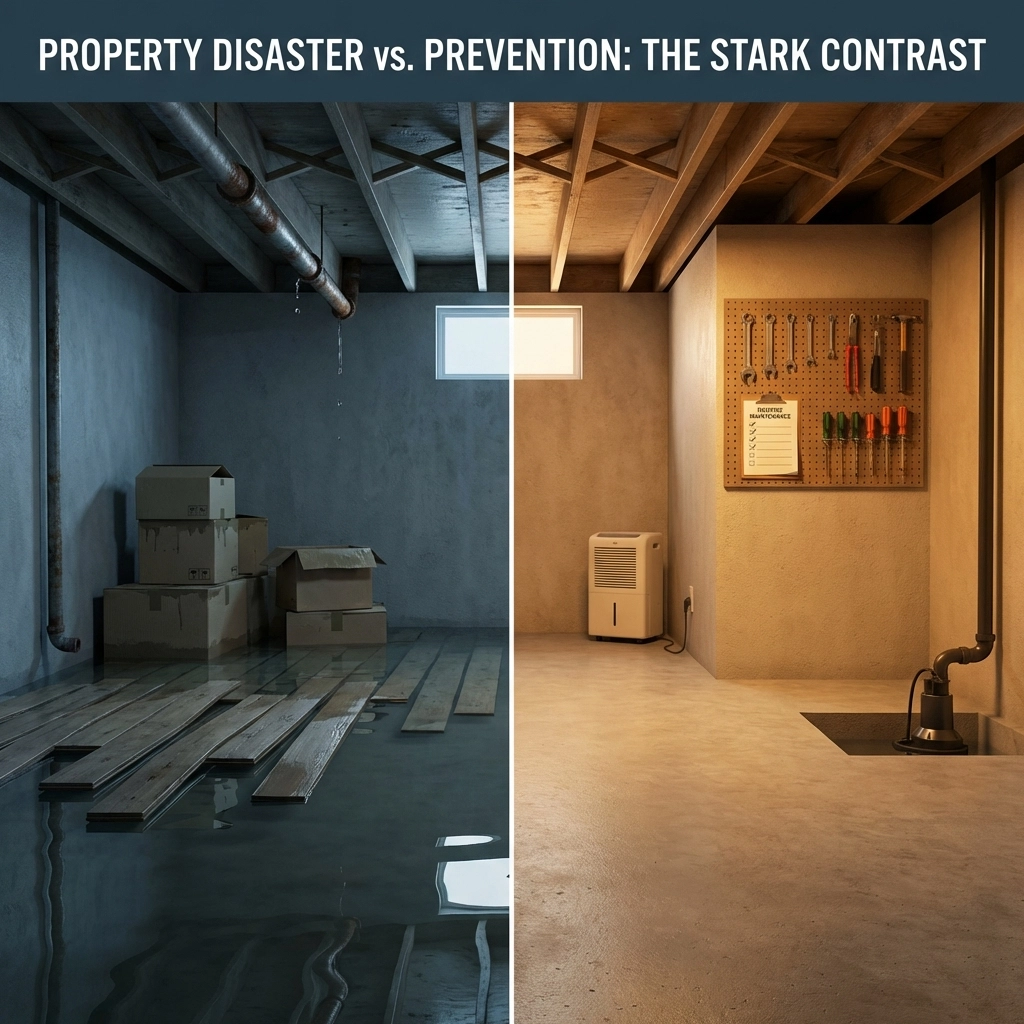
Case File: The 2003 Kensington Pipe Disaster
Here's a real story that shows why preventive maintenance matters.
Back in January 2003, a property owner in Kensington skipped his annual plumbing inspection to save a few hundred dollars. That winter was brutal: temperatures dropped below 10°F for nearly two weeks straight.
On January 18th, a pipe in an unheated basement section burst overnight. By the time the property manager discovered it the next morning, water had flooded two units. The damage included:
- Destroyed flooring and drywall
- Mold growth requiring professional remediation
- Displaced tenants (and lost rent)
- A lawsuit from one tenant over damaged belongings
Total cost? Over $45,000.
The inspection he skipped? It would have cost $175 and likely caught the vulnerable pipe section before winter hit.
This story isn't unique. We see versions of it every year across Philadelphia. The lesson is simple: a small investment in prevention saves a fortune in repairs.
Building Your Preventive Maintenance Plan
Ready to protect your Philadelphia property? Here's how to build a maintenance plan that works.
Step 1: Inventory Your Systems
List every major system in your property: HVAC, plumbing, electrical, roofing, appliances, and structural components. Note the age and condition of each.
Step 2: Create a Maintenance Calendar
Schedule inspections and service appointments throughout the year. Spread them out so you're not overwhelmed: and so your budget stays manageable.
A typical schedule might look like:
- Spring: HVAC tune-up, roof inspection, gutter cleaning
- Summer: Pest control, exterior painting touch-ups
- Fall: Heating system check, weatherization, plumbing inspection
- Winter: Interior inspections, smoke detector testing
Step 3: Partner with Reliable Vendors
Finding trustworthy contractors in Philadelphia can be a challenge. You need vendors who show up on time, do quality work, and charge fair prices.
Better yet? Work with a single property services partner who can handle multiple maintenance needs. This simplifies scheduling, reduces costs, and ensures consistent quality.
If you're tired of juggling multiple vendors, read our post on getting all your Philadelphia property services from one reliable partner.
How C&A Property Services Can Help
At C&A Property Services, we specialize in property maintenance in Philadelphia. We understand the unique challenges local property owners face: and we're here to make your life easier.
Our team handles:
- HVAC maintenance and repairs
- Plumbing inspections and emergency service
- Electrical testing and upgrades
- Turnover cleaning and preparation
- Code compliance support
- And much more
We work with property owners, managers, and condo associations across the Greater Philadelphia area. Our goal is simple: protect your investment so you can focus on what matters.
Ready to build a preventive maintenance plan that actually works? Visit our website to learn more about our services or get in touch with our team.
Protect Your Investment Today
Preventive maintenance isn't glamorous. It doesn't make for exciting stories at dinner parties. But it's the single best thing you can do to protect your Philadelphia property investment.
Small, consistent investments in maintenance prevent expensive disasters. They keep tenants happy. They keep you compliant with local codes. And they preserve: or even increase: your property value over time.
Don't wait for the next emergency to take action. Start building your preventive maintenance plan today.
Leave a Reply