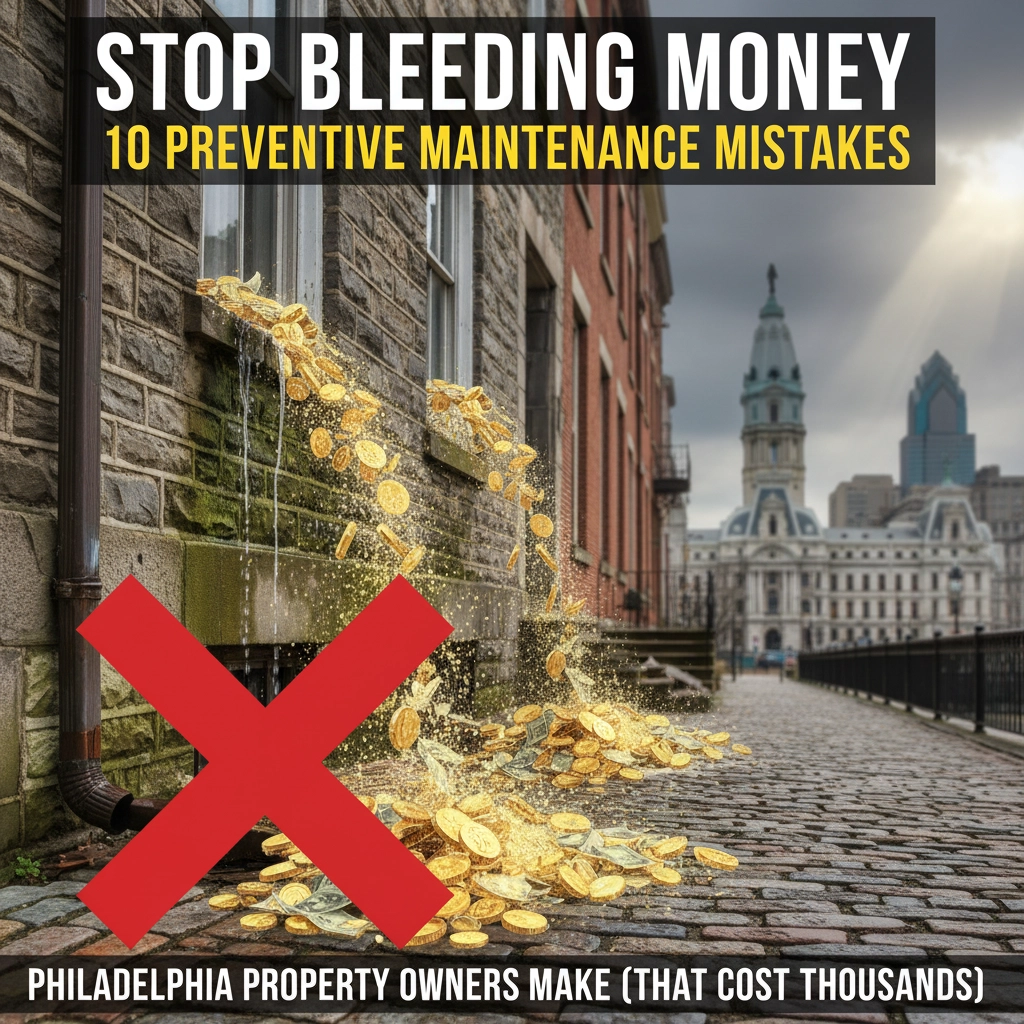
Property ownership in Philadelphia can be incredibly rewarding: when you're not hemorrhaging money on preventable repairs. Too many property owners learn this lesson the hard way, discovering that what seemed like smart cost-cutting actually multiplied their expenses tenfold.
The reality? Most maintenance disasters start small. A tiny leak here, a creaky stair there, or skipping that "unnecessary" inspection. But in Philadelphia's challenging climate and aging housing stock, these small oversights quickly snowball into massive financial headaches.
Here are the 10 most expensive preventive maintenance mistakes we see Philadelphia property owners make: and more importantly, how to avoid them.
1. Ignoring Small Leaks and Water Damage
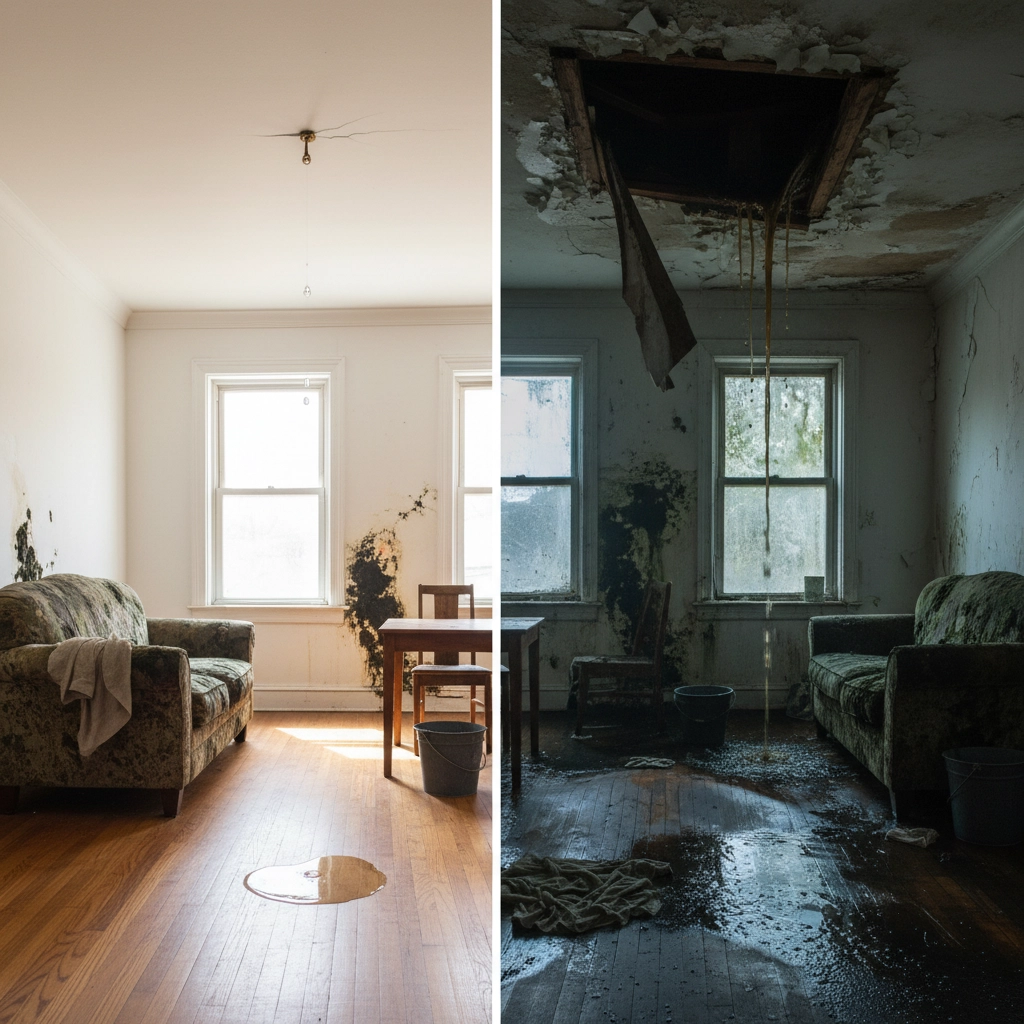
That little drip under the kitchen sink might seem harmless, but it's actually a ticking time bomb. Water damage is one of the most destructive and expensive problems any property can face, with repair costs ranging from $1,000 to $20,000 depending on severity.
Here's what happens when you ignore that "tiny" leak:
- Water promotes mold growth within 48 hours
- Structural integrity weakens in walls and ceilings
- Utility bills skyrocket from wasted water
- Insurance claims can affect your future coverage
The fix: Conduct thorough inspections twice yearly, address even minor drips immediately, and maintain gutters and downspouts seasonally. Smart leak detection devices can alert you to problems before they cause major damage.
2. Skipping Routine Plumbing Checks
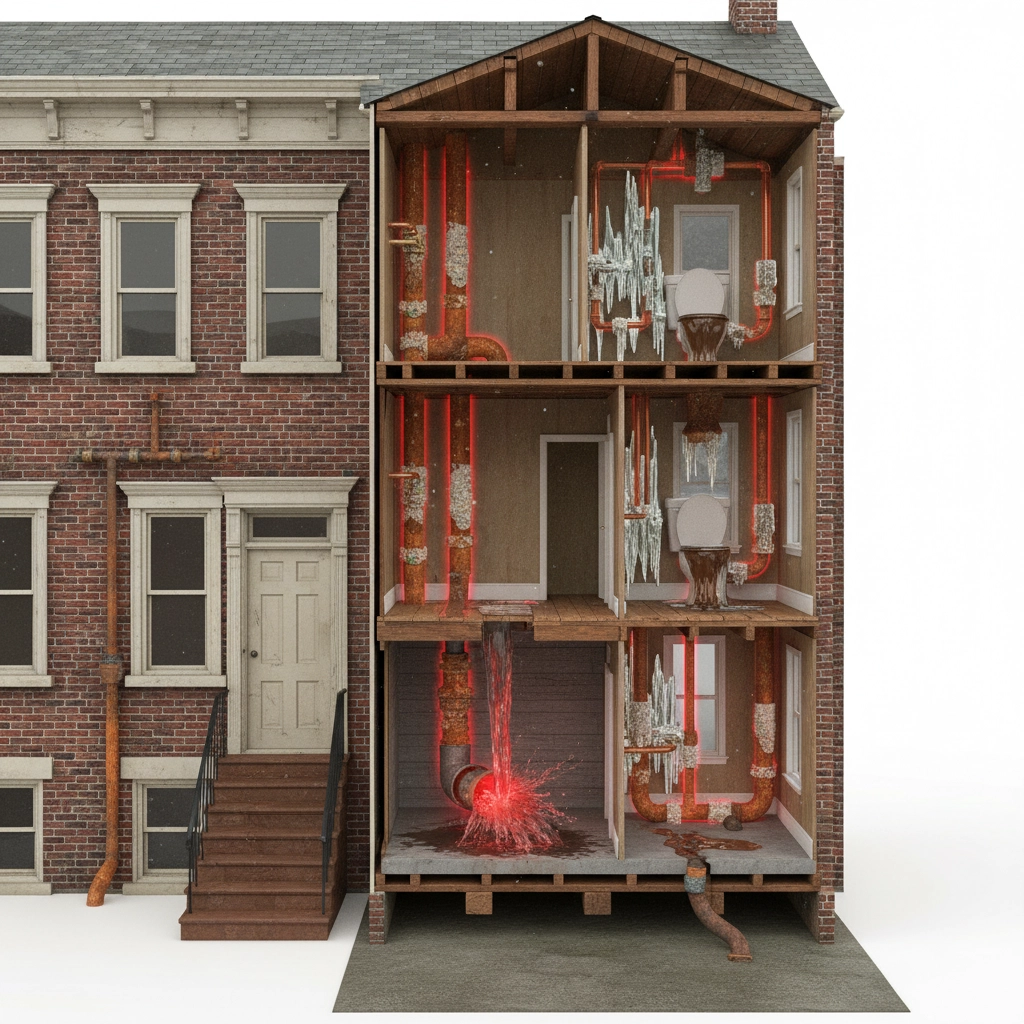
Many property owners treat plumbing like their car's oil: something that only needs attention when it completely fails. Big mistake. A burst pipe or sewer backup can cost thousands in repairs, not counting damage to floors, walls, and tenant belongings.
Philadelphia's older housing stock makes this particularly risky. Pipes installed decades ago are reaching the end of their lifespan, and winter freezing can turn minor weaknesses into major disasters.
The prevention strategy:
- Annual pipe inspections for corrosion and leaks
- Professional drain cleaning to prevent backups
- Pipe insulation before winter temperatures hit
- Emergency shut-off valve locations clearly marked
3. Failing to Address Electrical Issues
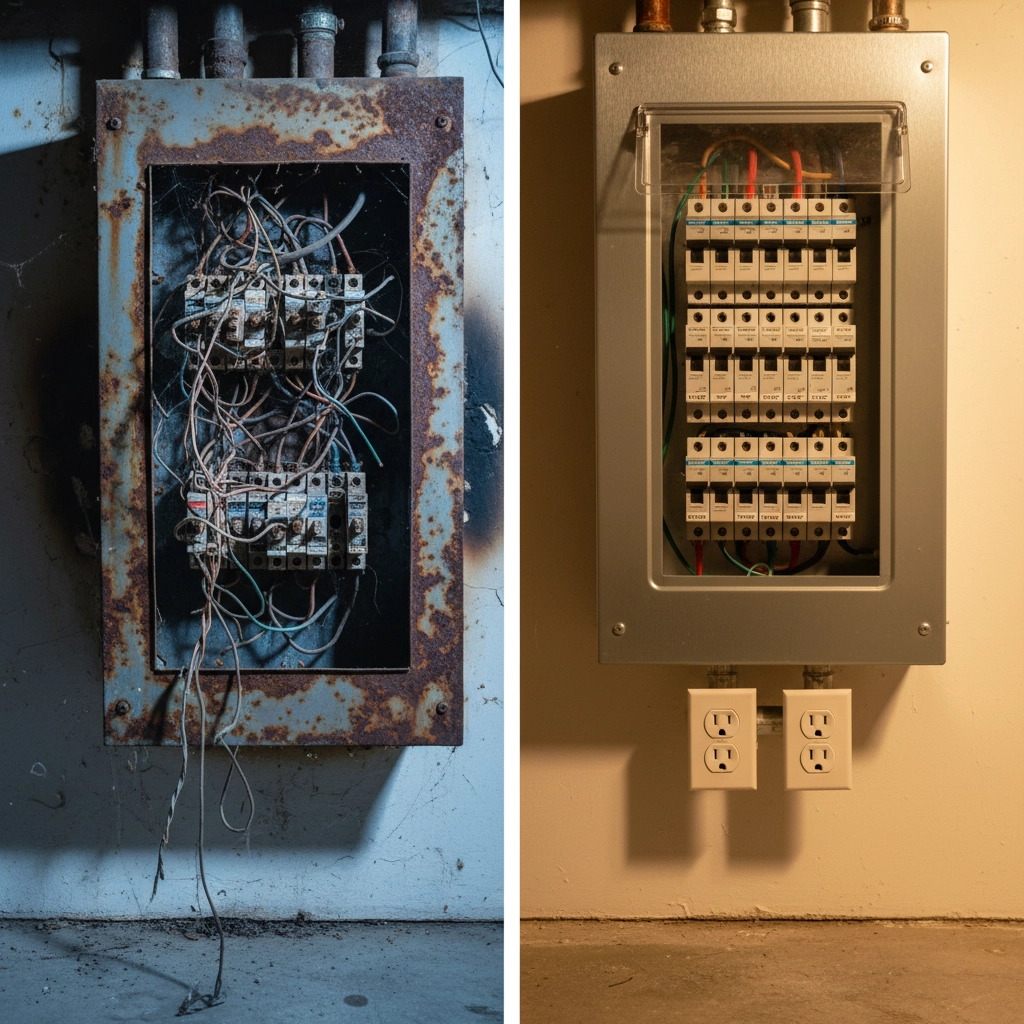
Outdated electrical systems aren't just inconvenient: they're fire hazards that can cost $2,000 to $10,000 to properly upgrade. Faulty wiring, overloaded circuits, and outdated panels create both financial and safety crises.
Beyond the immediate repair costs, electrical violations can:
- Delay rental turnovers or property sales
- Expose you to serious liability if tenants are injured
- Result in daily fines from L&I until resolved
The smart approach: Have your electrical system inspected every 3-5 years by a licensed electrician, replace outdated wiring proactively, and install GFCI outlets in kitchens, bathrooms, and outdoor areas.
4. Neglecting Fire and Safety Compliance
Philadelphia's Department of Licenses and Inspections (L&I) takes fire safety seriously: and their fines reflect it. Malfunctioning smoke detectors, blocked emergency exits, or missing carbon monoxide detectors can trigger violations with severe financial consequences:
- Class I violations: $300 per day
- Class II violations: $1,000 per day
- Class III violations: $2,000 per day
These fines accumulate daily until resolved. Properties with multiple violations can quickly owe tens of thousands in penalties alone, separate from repair costs.
The prevention checklist:
- Monthly smoke and CO detector testing
- Semi-annual battery replacements
- Clear emergency exit maintenance
- Professional fire safety inspections
5. Underestimating Maintenance Expenses
New investors frequently make this budget-busting mistake: treating maintenance as an afterthought expense rather than a predictable cost of ownership. Without adequate reserves, unexpected repairs force you into reactive mode instead of preventive action.
Industry experts recommend earmarking 1-3% of your property's value annually for maintenance. For a $200,000 property, that's $2,000-$6,000 per year: money that pays for itself by preventing emergency situations.
The budgeting reality: Emergency repairs always cost more than preventive maintenance. A $500 fix becomes a $5,000+ emergency when delayed.
6. Skipping Regular Property Inspections
"Out of sight, out of mind" is a costly philosophy in property management. Without routine inspections, problems fester undetected until they become emergencies.
Structural issues develop slowly but expensively:
- Roof leaks that start small and spread
- Foundation settling that creates safety hazards
- Exterior wall deterioration that compromises building integrity
- Window and door defects that increase liability
The inspection schedule: Monthly walk-throughs for obvious issues, quarterly detailed inspections, and annual professional assessments for major systems.
7. Allowing Tenants to Handle Maintenance
While tenant DIY repairs might seem cost-effective, they're actually one of the most expensive mistakes property owners make. Tenants lack expertise for plumbing, electrical, or structural work, often creating more damage and liability exposure.
When tenants have accidents during repairs: especially with water or electrical systems: property owners face legal consequences and insurance complications.
The professional approach: Establish clear policies requiring all maintenance requests go through proper channels. Professional repairs protect your investment and limit liability.
8. Ignoring HVAC System Maintenance
Philadelphia's temperature extremes put serious stress on heating and cooling systems. Inadequate heating violates housing codes and can trigger daily fines. Beyond compliance issues, neglected HVAC systems fail prematurely and drive up utility costs.
The maintenance routine:
- Monthly filter changes during heavy-use seasons
- Annual professional inspections and tune-ups
- Seasonal preparation for temperature extremes
- Ductwork cleaning every 3-5 years
9. Delaying Structural Repairs
Foundation problems, roof damage, and exterior wall deterioration don't improve with time: they exponentially worsen. A foundation crack that costs $800 to seal this year might require $15,000 in stabilization work next year.
Philadelphia's freeze-thaw cycles are particularly hard on structural elements. Water gets into small cracks, freezes, expands, and creates major problems.
The early intervention strategy: Address foundation settling immediately, repair roof damage before it spreads, and seal exterior cracks before winter weather hits.
10. Neglecting Drainage and Sewage Systems
Clogged drains, backed-up sewage, and poor drainage create both code violations and health hazards. A single sewage backup can require thousands in remediation and tenant relocation costs.
Philadelphia's combined sewer system makes drainage problems particularly expensive during heavy rains. Properties with poor drainage can flood repeatedly, creating ongoing problems.
The prevention plan:
- Professional drain cleaning annually
- Gutter and downspout maintenance seasonally
- Sewage system inspections every few years
- Proper grading around the foundation
The Bottom Line on Maintenance Costs
Studies consistently show that delayed maintenance multiplies costs exponentially. What starts as a $500 repair becomes a $5,000+ emergency when ignored. Philadelphia's enforcement climate means violations accumulate expensive daily fines while problems worsen.
The math is simple: preventive maintenance costs a fraction of emergency repairs. A property owner spending $3,000 annually on preventive maintenance avoids the $15,000+ disaster that inevitably comes from neglect.
Smart Philadelphia property owners budget properly, inspect regularly, address problems immediately, and never delegate critical maintenance to tenants. The money spent on prevention is always less than the cost of reactive emergency repairs: often by factors of ten or more.
Your Philadelphia properties are investments worth protecting. Don't let preventable maintenance mistakes turn your profitable properties into money pits.
Leave a Reply