Philadelphia's code violation system isn't as mysterious as it seems: but there are definitely insider insights that can save you thousands of dollars and months of headaches. After working with countless property owners across the city, we've seen the same costly mistakes happen over and over. Here's what you need to know to navigate Philadelphia's violation compliance like a pro.
The Real Timeline (Hint: It's Not What You Think)
Most property owners believe they have 30-35 days to fix violations. That's partially true, but here's what the official notices don't clearly explain: your compliance clock starts ticking the moment L&I discovers the issue, not when you receive the written notice.
Philadelphia's Department of Licenses and Inspections issues a Notice of Violation and Order that typically gives you 10-35 days to comply, depending on the severity. But here's the kicker: if they determine a condition is immediately dangerous (like structural damage or fire hazards), they can shut you down on the spot without any written order.
The smart move? Treat every violation like it's urgent, because in Philadelphia's system, it essentially is.
The Hidden Cost Structure That Catches Everyone Off Guard
Let's talk numbers, because this is where property owners get blindsided. Philadelphia's violation fines aren't just one-time penalties: they're daily accumulating charges that can spiral out of control fast.
Class I violations: $300 per day
Class II violations: $1,000 per day
Class III violations: $2,000 per day
Each day the violation remains unaddressed counts as a separate offense. We've seen cases where property owners ignored violations for just a few months and ended up with fines exceeding $100,000. That's not a typo.

The Four Violation Categories That Trip Up Most Property Owners
After analyzing hundreds of violation cases in Philadelphia, we've identified the most common issues that catch property owners off guard:
Structural and Maintenance Violations are the big ones. This includes roof problems, exterior wall cracks, foundation issues, and defective windows or doors. These aren't just cosmetic: Philadelphia treats structural defects as serious safety hazards.
Fire and Safety System Failures are immediate red flags. Missing smoke detectors, faulty fire escapes, or non-functional safety systems will trigger Class II or Class III violations with hefty daily fines.
Sanitation and Plumbing Issues might seem minor, but L&I takes them seriously. Leaky pipes, sewage problems, or inadequate drainage can quickly escalate to major violation categories.
Illegal Use and Zoning Violations catch many property owners by surprise. Using residential properties for commercial purposes, unauthorized renovations, or operating without proper permits can result in immediate shutdown orders.
The Documentation Game-Changer
Here's something most property management companies won't tell you: the type of documentation you submit can dramatically impact how quickly your violation gets resolved.
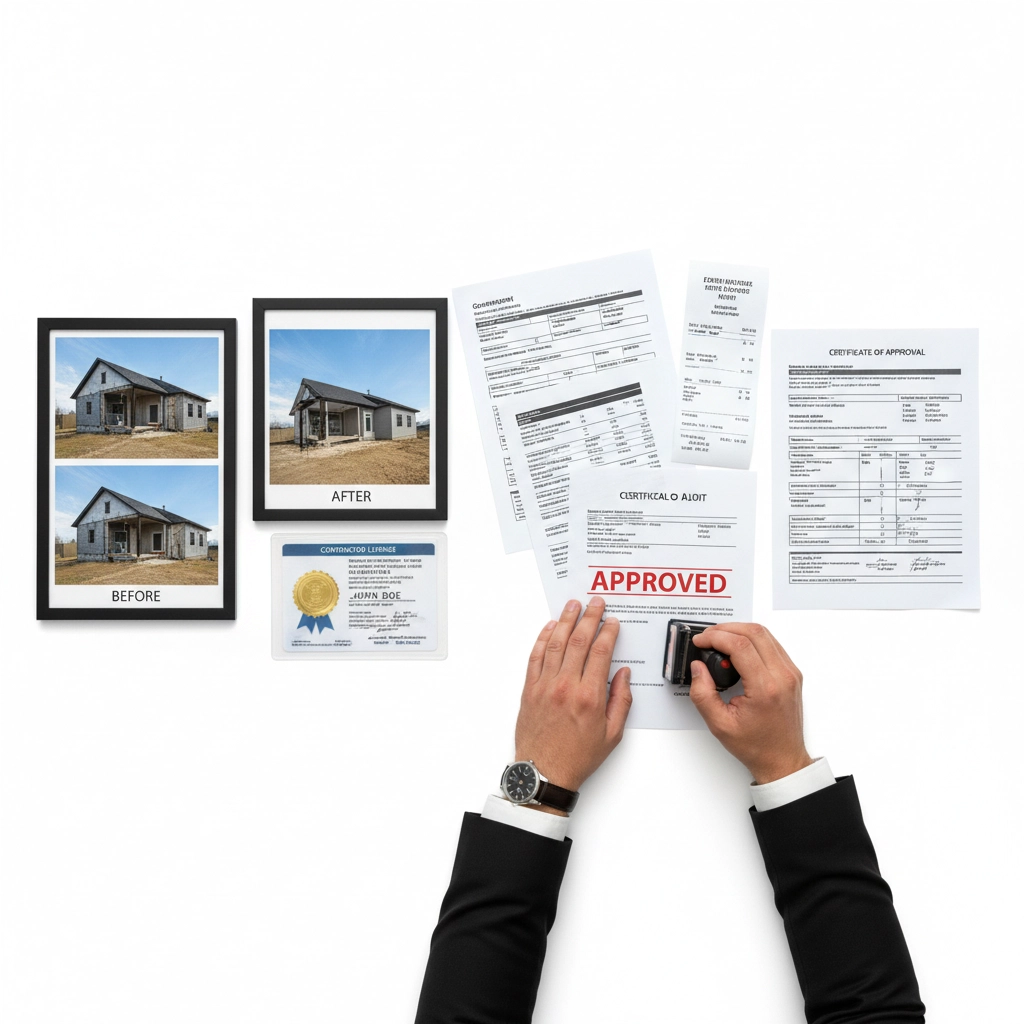
L&I wants proof that you've actually fixed the problem, not just started working on it. This means:
- Photos showing before and after conditions
- Receipts from licensed contractors (not just handyman invoices)
- Proper permits for any work requiring them
- Professional inspection reports when applicable
The property owners who resolve violations fastest are those who submit comprehensive documentation packages immediately after completing repairs.
The Insurance Nightmare Nobody Warns You About
Unresolved violations don't just cost you in fines: they can completely derail your insurance coverage. Insurance companies view pending violations as red flags indicating deferred maintenance and increased risk.
We've seen property owners unable to renew their policies because of unresolved housing violations. Even after violations are cleared, a history of non-compliance can result in significantly higher premiums. Severe violations like major plumbing failures or fire hazards may result in outright coverage denial.
The financial impact extends beyond the immediate fines. Without insurance, you can't legally operate rental properties, and mortgage companies may call loans due.
The Escalation Process That Can Shut You Down
When property owners ignore violations or miss deadlines, L&I doesn't just keep sending letters. They have serious enforcement tools at their disposal:
Stop Work Orders halt all construction or renovation activities immediately. This can be devastating if you're in the middle of a property flip or major renovation project.
Cease Operations Orders are even more severe. Once issued, "the premises shall be vacated of all employees, patrons and occupants." This means immediate shutdown of any business or rental operations.
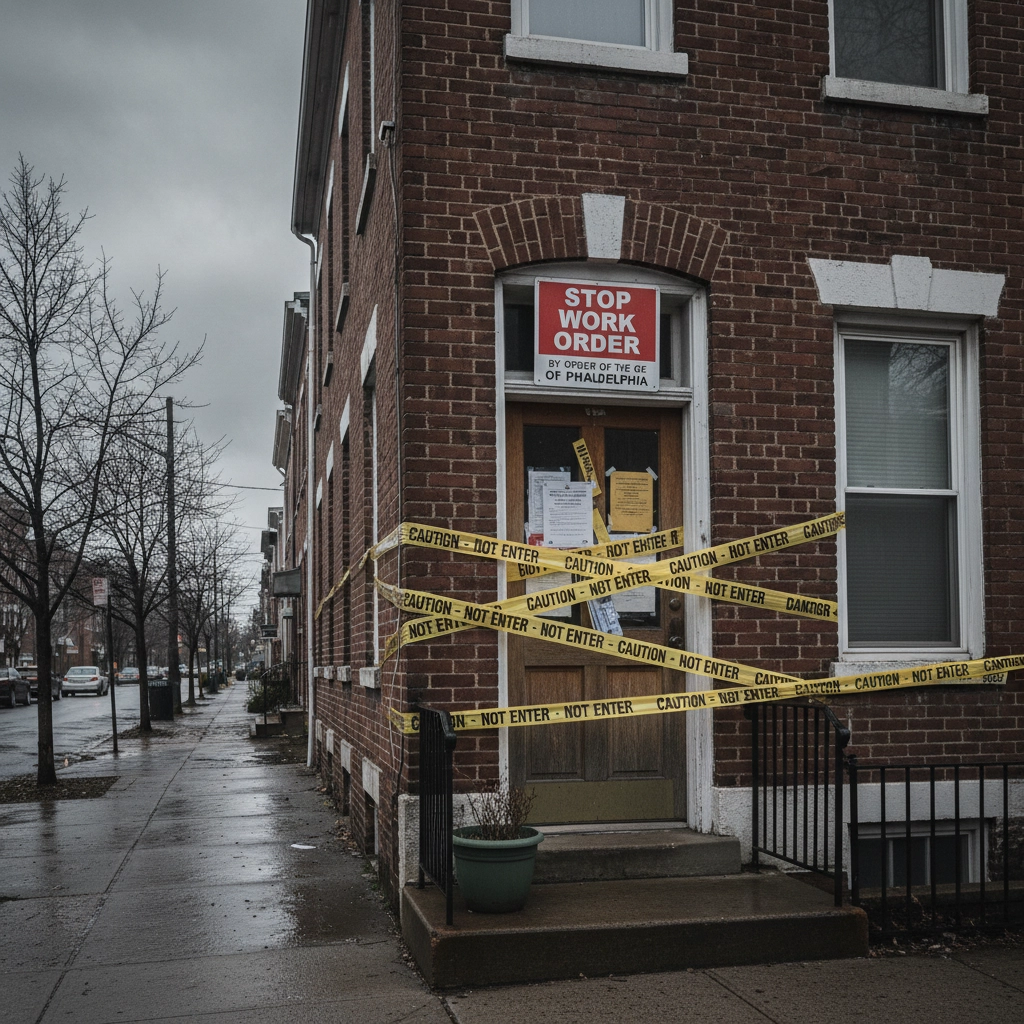
L&I can also take property owners to court to force compliance or permanently shut down non-compliant properties. Court cases drag on for months, accumulating legal fees and continuing daily fines.
The Strategic Approach That Actually Works
After working with hundreds of Philadelphia property owners, we've developed a systematic approach that minimizes both time and costs:
Immediate Response Protocol: Treat every violation notice as urgent. Don't wait to assess whether it's "serious" or not. Start addressing the issue immediately.
Professional Assessment: Get licensed contractors to evaluate and fix problems properly. DIY repairs often don't meet L&I standards and can actually make violations worse.
Comprehensive Documentation: Create a complete paper trail showing exactly what was done to address the violation. Include photos, receipts, permits, and any professional assessments.
Proactive Follow-Up: Don't assume your case is closed just because you submitted documentation. Follow up with L&I to ensure they've received your materials and schedule any necessary reinspections.
The Prevention Strategy That Saves Thousands
The most successful property owners in Philadelphia don't just react to violations: they prevent them through regular maintenance and proactive inspections. Quarterly property assessments can identify potential violation triggers before L&I does.

This includes checking structural elements, testing safety systems, maintaining proper sanitation standards, and ensuring all property uses comply with zoning requirements.
Your Next Steps
Philadelphia's violation compliance system operates transparently with clear timelines and published requirements, but navigating it successfully requires understanding the unwritten rules and having the right strategy.
The property owners who thrive in Philadelphia's regulatory environment are those who treat compliance as an ongoing process, not a one-time fix. They invest in proper maintenance, respond immediately to issues, and work with experienced professionals who understand the system's nuances.
Remember: every day you delay addressing a violation is another day of accumulating fines and potential escalation. The "secrets" aren't really secrets: they're just the realities of a system that rewards quick action and penalizes delays.
If you're dealing with violations or want to establish a proactive compliance strategy for your Philadelphia properties, the key is having experienced professionals who understand both the official process and the practical realities of working with L&I effectively.
Leave a Reply