Managing rental properties in Philadelphia can be incredibly profitable: or it can drain your bank account faster than you ever imagined. The difference often comes down to avoiding a handful of critical mistakes that trip up even experienced landlords.
After working with hundreds of property owners across Philadelphia, we've seen the same costly errors repeated over and over. These aren't minor oversights: they're business-killing mistakes that can cost you thousands in lost revenue, legal fees, and property damage.
Here are the five deadliest property management mistakes we see in Philadelphia, and more importantly, how to avoid them.
1. Rushing Through Tenant Screening (Or Skipping It Entirely)
The Mistake: You're desperate to fill that vacant unit. The mortgage is due, you've got bills piling up, and this applicant seems "nice enough." So you skip the background check, accept their word about income, and hand over the keys.
Why It's Deadly: Bad tenants don't just cost you one month's rent: they can cost you 6-12 months of income, plus thousands in property damage, legal fees, and court costs. A single problem tenant can turn your profitable investment into a financial nightmare.
The Reality Check: In Philadelphia, evictions can take 45-90 days even in straightforward cases. Add in potential property damage, lost rent, attorney fees, and rehab costs, and you're looking at $10,000-$15,000 in losses from one bad tenant decision.
The Fix: Implement a bulletproof screening process that includes:
- Credit reports (minimum 650 score recommended)
- Criminal background checks
- Eviction history searches
- Employment and income verification (3x rent minimum)
- Previous landlord references (not just the current one: they might lie to get rid of a problem tenant)
Don't make exceptions, even when you're under pressure. One month of vacancy is always cheaper than one year of a problem tenant.
2. Playing Guessing Games With Rent Pricing
The Mistake: Setting rent based on what you "think" it should be, what you need to cover your mortgage, or what similar properties were renting for two years ago.
Why It's Deadly: Underpricing by just $100/month costs you $1,200 annually per unit. Multiply that across multiple properties or several years, and you're leaving serious money on the table. Overpricing keeps units vacant longer, costing you in lost income and carrying costs.
The Reality Check: Philadelphia rental markets can vary dramatically by neighborhood, and pricing changes quarterly. A property in Northern Liberties commands different rent than one in Kensington, even if they're similar in size and condition.
The Fix: Conduct thorough market research every time you price a unit:
- Compare truly similar properties (same neighborhood, similar condition, comparable amenities)
- Factor in recent renovations and unique features
- Consider seasonal demand patterns
- Review completed rentals, not just current listings
- Adjust pricing based on how quickly you need to fill the unit
Professional property managers have access to rental comps and market data that individual landlords often miss. Sometimes paying for professional pricing analysis saves you thousands in lost revenue.
3. Treating Maintenance Like an Afterthought
The Mistake: Ignoring small maintenance issues, using the cheapest contractors you can find, or letting tenants "fix" things themselves in exchange for rent credits.
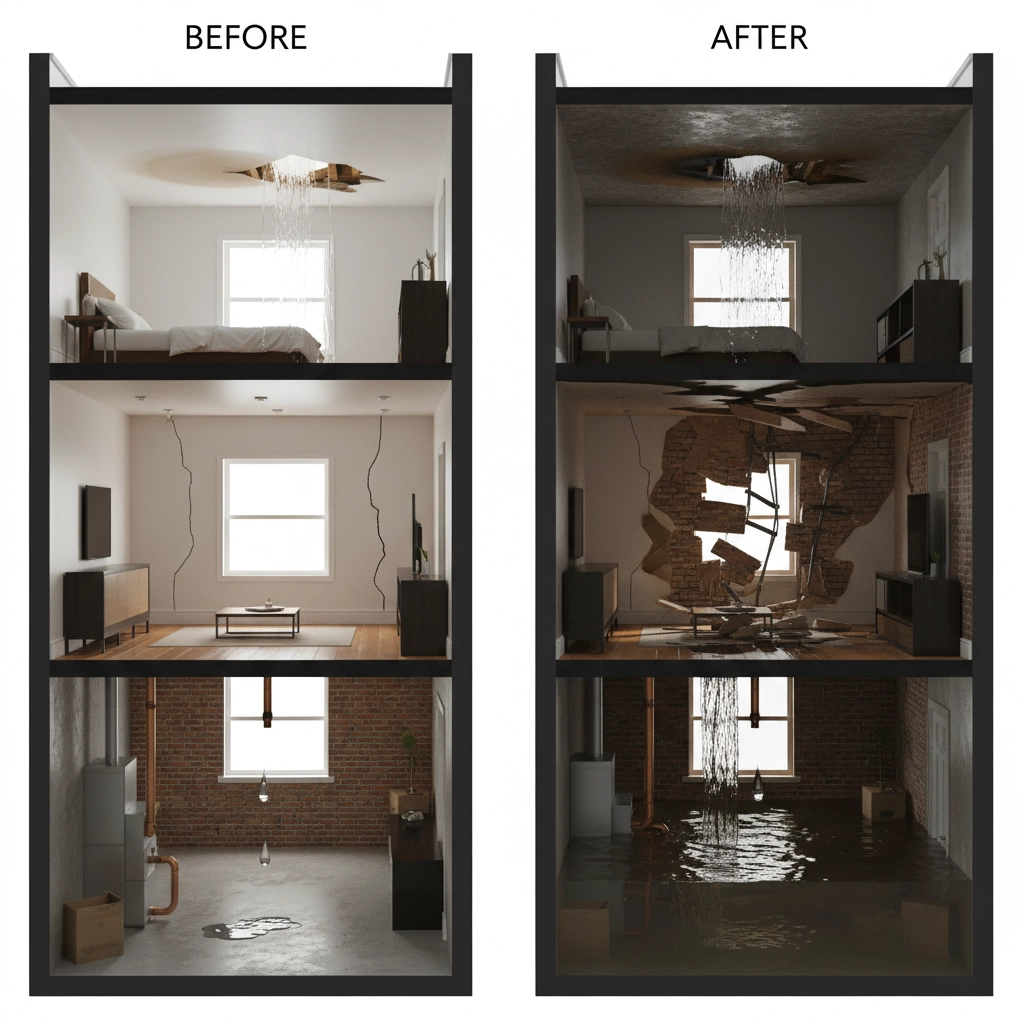
Why It's Deadly: Deferred maintenance creates exponentially larger problems. That small roof leak becomes structural damage. The slow drain turns into a sewer backup. The "small" electrical issue becomes a fire hazard: or worse.
The Reality Check: Emergency repairs cost 3-5 times more than preventive maintenance. A $200 plumbing fix becomes a $2,000 emergency when the pipe bursts at 2 AM on a Sunday. Plus, poor maintenance can trigger code violations, tenant complaints to the city, and expensive legal issues.
The Fix: Implement a proactive maintenance system:
- Conduct quarterly inspections (Philadelphia law allows this with proper notice)
- Address minor issues immediately before they escalate
- Build relationships with reliable contractors who can respond quickly
- Never let tenants perform maintenance: they're not insured, and poor work becomes your liability
- Budget 10-15% of rental income for ongoing maintenance and repairs
Document everything. Take photos before and after repairs. Keep detailed records of all maintenance requests and completed work.
4. Using Weak or Outdated Lease Agreements
The Mistake: Downloading a generic lease from the internet, using an outdated template from another state, or making verbal agreements without proper documentation.
Why It's Deadly: Pennsylvania rental law is specific, and Philadelphia has additional local ordinances. A lease that doesn't comply with current law can be unenforceable when you need it most: like during an eviction. Verbal agreements are worth the paper they're written on.
The Reality Check: When problem tenants know your lease is weak, they'll exploit every loophole. Without proper lease language, you can't enforce policies around pets, guests, smoking, or property care. You also can't protect yourself from liability issues.
The Fix: Invest in a professionally-drafted lease that includes:
- Current Pennsylvania and Philadelphia-specific language
- Clear policies on rent payment, late fees, and grace periods
- Detailed property rules and tenant responsibilities
- Proper disclosure requirements for lead paint, security deposits, and other legal mandates
- Protection against unauthorized occupants and pets
- Clear procedures for maintenance requests and property access
Review and update your lease annually as laws change. What was legal last year might not be compliant today.
5. Flying Blind Without Proper Documentation
The Mistake: Handling tenant communications through casual texts, failing to document lease violations, or assuming you'll remember important details months later when problems arise.
Why It's Deadly: In Philadelphia Housing Court, the landlord with the best documentation usually wins. Without proper records, you can't prove rent was paid late, that you gave proper notice, or that the tenant violated lease terms. Judges dismiss cases daily for insufficient documentation.
The Reality Check: Memory is not evidence. Judges don't care what you "remember" happening: they want written proof. Text messages get deleted, emails get lost, and verbal conversations never happened as far as the court is concerned.

The Fix: Create a bulletproof documentation system:
- Send all important notices via certified mail and keep receipts
- Document every lease violation with photos, dates, and detailed descriptions
- Keep detailed records of all communications with tenants
- Maintain files for rent payments, maintenance requests, and inspection reports
- Use formal written notices for all lease violations and property access requests
- Photograph property condition at move-in, during inspections, and at move-out
Professional property management software can automate much of this documentation, making it easier to stay organized and court-ready.
The Cost of Inaction
These five mistakes don't just cost money: they cost time, stress, and peace of mind. We've seen landlords lose $20,000+ on a single bad tenant situation that could have been prevented with proper screening. We've watched property values decline because owners deferred maintenance too long. We've seen perfectly good eviction cases get dismissed because landlords couldn't provide proper documentation.
Philadelphia's rental market is competitive and profitable, but only for landlords who run their properties like the businesses they are. Every shortcut you take, every corner you cut, and every "this time will be different" exception you make increases your risk of catastrophic loss.
Ready to Fix These Issues Before They Cost You?
Managing Philadelphia rental properties doesn't have to be a constant source of stress and unexpected expenses. At C&A Property Services, we've built our business around helping property owners avoid these costly mistakes while maximizing their rental income.
Our team handles everything from thorough tenant screening and market-rate pricing to proactive maintenance and bulletproof documentation. We know Philadelphia's rental laws inside and out, and we use professional systems that protect your investment while keeping you compliant.
Don't wait until a costly mistake forces you to learn these lessons the hard way. Contact C&A Property Services today to discuss how we can help protect your rental properties and maximize your returns. Whether you need full-service property management or specific help with tenant screening, maintenance, or legal compliance, we're here to help.
Contact us now to schedule a free consultation and learn how proper property management can turn your rental properties from a source of stress into a reliable income stream.
Leave a Reply