
Property managers across Philadelphia are laser-focused on a metric that's making or breaking their bottom line: the 48-hour turnover window. If you haven't heard this term yet, you're about to understand why it's become the gold standard for successful property management in 2025.
Here's the reality check: every day your unit sits vacant after a tenant moves out, you're bleeding money. We're talking about an average loss of $1,061 per unit or $1.13 per square foot, which translates to 6.4% of your gross potential rent. In Philadelphia's competitive rental market, that's not just a number on a spreadsheet: it's the difference between a profitable property and one that's dragging down your entire portfolio.
What Exactly Is a 48-Hour Turnover?

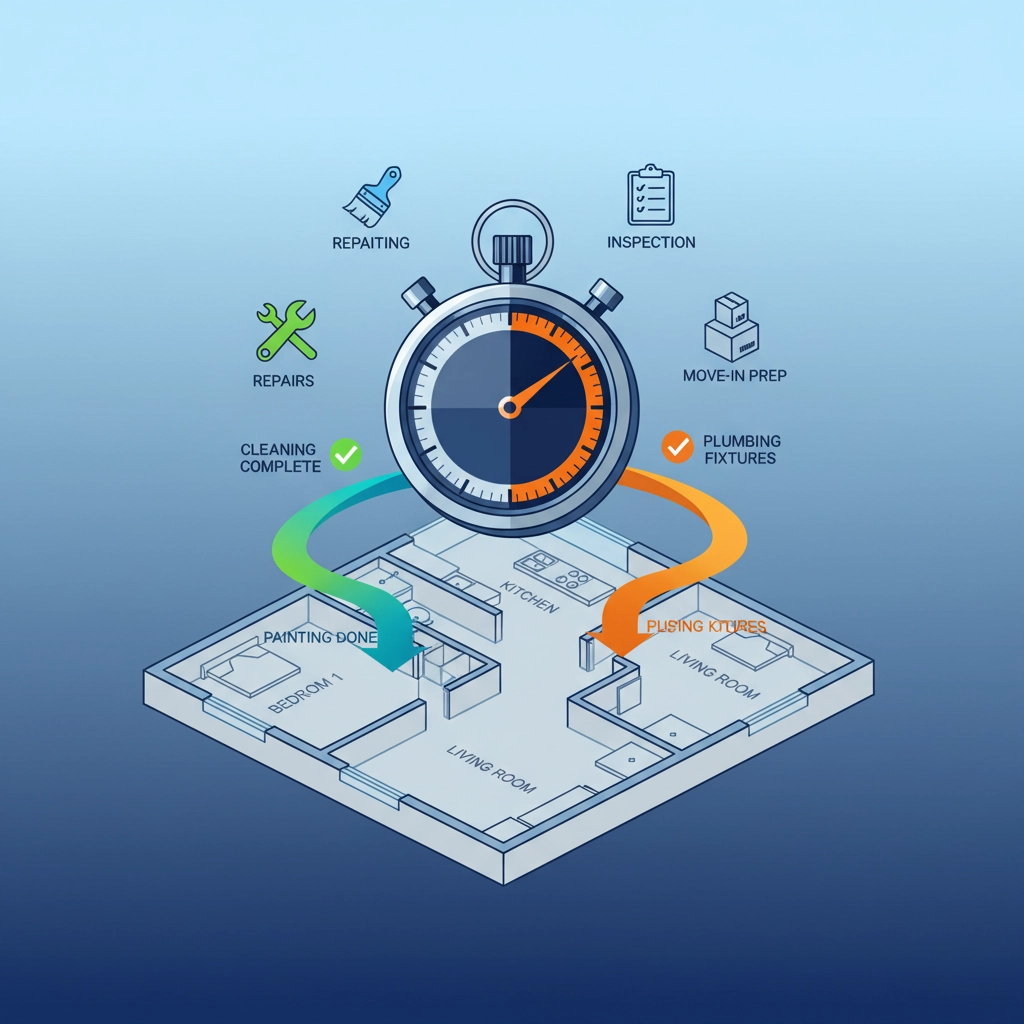
A 48-hour turnover isn't about getting a unit rent-ready in two days (though some properties achieve that). It's about maximizing what happens in those critical first 48 hours after a tenant vacates. This window determines whether you'll gain momentum or spend the next weeks playing expensive catch-up.
Professional property managers have learned that those first two days set the tone for everything that follows. It's when you conduct the move-out inspection, assess what needs to be done, coordinate your vendors, and mobilize your team. Miss this window, and you're immediately behind schedule.
Think about it: if a tenant moves out on a Friday and you don't inspect until the following Tuesday (maybe there's a holiday weekend), you've already lost four days before any actual work begins. In Philadelphia's market, where metro occupancy typically runs 94-96%, every day of vacancy directly hits your net operating income.
Why Philadelphia Property Managers Are Obsessed With This Timeline
Philadelphia's rental market has specific challenges that make turnover speed particularly critical. The city's mix of older housing stock, diverse neighborhoods, and competitive rental rates means that properties sitting vacant longer than necessary quickly lose their edge.

Here's what's driving the urgency:
Seasonal demand patterns: Philadelphia sees distinct seasonal shifts in rental demand. Properties that miss their turnover window during peak leasing seasons (typically late spring through early fall) often face extended vacancy periods as demand drops.
Competition from newer properties: With new apartment complexes offering move-in incentives and modern amenities, older properties need to compete on availability and condition. A unit that takes three weeks to turn around loses prospects to properties that are move-in ready.
Regulatory considerations: Philadelphia's rental regulations require specific timelines for security deposit returns and property condition documentation. The 48-hour inspection window helps ensure compliance while protecting both landlord and tenant interests.
The Hidden Costs of Slow Turnovers
Beyond the obvious rent loss, slow turnovers create cascading problems that smart property managers are working hard to avoid:
Deal cancellations: When incoming tenants face delayed move-ins, deals fall apart. You might need to cover temporary housing costs elsewhere, or worse, face legal claims for damages. One Philadelphia property manager noted, "Halfway through the third day, you are immediately losing money on the turnover."
Vendor scheduling conflicts: Delays in one unit affect your entire vendor coordination system. Contractors who could have been scheduled for multiple properties end up with gaps in their schedules, driving up costs and reducing their availability for future projects.
Team morale and efficiency: Your maintenance and leasing teams work more effectively when they see quick turnaround success. Extended vacancies create stress and inefficiency that affects overall property operations.
What a Successful 48-Hour Window Looks Like

Properties that nail their 48-hour turnovers follow a specific playbook:
Pre-inspection planning: The best property managers conduct preliminary inspections during the tenant's final month. This advance knowledge allows them to prepare turnover maintenance plans and eliminate surprises.
Vendor coordination: Within the first 48 hours, every contractor knows exactly where to be and when. Communication breakdowns between departments are the biggest source of turnover delays, so successful managers establish clear accountability systems.
Labor mobilization: Apartment turnovers require sufficient available labor with proper coordination. This sometimes means scheduling weekend work when move-outs occur on Fridays or during holiday periods.
Technology integration: Modern property management companies use digital tools to track turnover progress, coordinate schedules, and maintain communication across all stakeholders.
Common Mistakes That Kill Turnover Momentum
Even experienced property managers can fall into traps that sabotage their turnover timelines:
Waiting for perfect weather: Philadelphia weather can be unpredictable, but successful managers don't let weather delays derail their entire timeline. They have contingency plans for indoor work during bad weather days.
Underestimating scope of work: Without proper pre-inspection, managers often discover issues that require additional time or specialized contractors. This discovery on day three or four can push completion back by weeks.
Vendor dependency: Relying on a single contractor for multiple aspects of turnover creates bottlenecks. Successful properties maintain relationships with multiple vendors to ensure coverage and competitive pricing.
Poor communication systems: When your leasing team, maintenance crew, and management office aren't communicating effectively, even simple turnovers become complex projects.
The Competitive Advantage of Speed
Properties that consistently achieve fast turnovers create multiple competitive advantages:
They capture incoming tenant demand before prospects shop elsewhere. In Philadelphia's market, quality tenants often have multiple options, and availability timing can be the deciding factor.
They build stronger relationships with property owners by demonstrating effective asset management. Faster turnovers directly translate to better net operating income, which owners notice and appreciate.
They create better working experiences for their teams. When everyone knows the system works efficiently, job satisfaction improves and employee retention increases.
Making the 48-Hour Standard Work for Your Properties

The shift toward 48-hour turnover standards isn't just a trend: it's becoming the competitive baseline for successful Philadelphia property management. Properties that master this initial phase see immediate improvements in their financial performance and operational efficiency.
The key is recognizing that those first 48 hours aren't about rushing through work, but about setting up systems that eliminate delays and confusion. When every stakeholder knows their role and timeline, even complex turnovers can proceed smoothly.
Ready to Transform Your Turnover Process?
At C&A Property Services, we've helped Philadelphia property owners and managers implement turnover systems that consistently hit the 48-hour standard. Our integrated approach combines pre-inspection planning, vendor coordination, and project management expertise to ensure your properties spend minimum time vacant and maximum time generating income.
Whether you're managing a single property or an entire portfolio, we understand that successful turnovers require more than good intentions: they require proven systems and experienced execution.
Know someone who could benefit from our turnover expertise? We'd appreciate warm introductions to property owners and managers who are serious about maximizing their rental income through efficient operations.
Ready to discuss your specific turnover challenges? Contact C&A Property Services today. Let's talk about how the 48-hour standard can transform your property management results.
Visit us at capropserv.com or reach out directly to start the conversation about better turnovers and stronger property performance.
Leave a Reply