If you're a property owner or manager in Philadelphia dealing with Housing Choice Voucher (HCV) properties, you know that PHA inspections can make or break your rental income. One failed inspection can mean months of lost rental subsidies, frustrated tenants, and costly emergency repairs. But here's the thing – PHA inspections don't have to be stressful when you know exactly what to expect and how to prepare.
The Philadelphia Housing Authority conducts these inspections to ensure rental units meet Housing Quality Standards (HQS) before rental assistance kicks in and throughout the tenancy. Whether you're new to the Section 8 program or you've been dealing with violations for years, this guide will walk you through everything you need to know to consistently pass inspections and keep your rental income flowing.
Understanding the Different Types of PHA Inspections
Not all PHA inspections are created equal. The type of inspection you're facing determines your timeline, preparation strategy, and what the inspector will focus on.
Initial/Move-In Inspections happen before new tenants move into your unit. These are comprehensive inspections that cover every aspect of the property. The PHA won't approve rental assistance until your unit passes this inspection, so getting it right the first time is crucial.
Biennial Inspections occur every 24 months and are just as thorough as initial inspections. These ongoing compliance checks ensure your property continues to meet HQS standards throughout the tenancy.
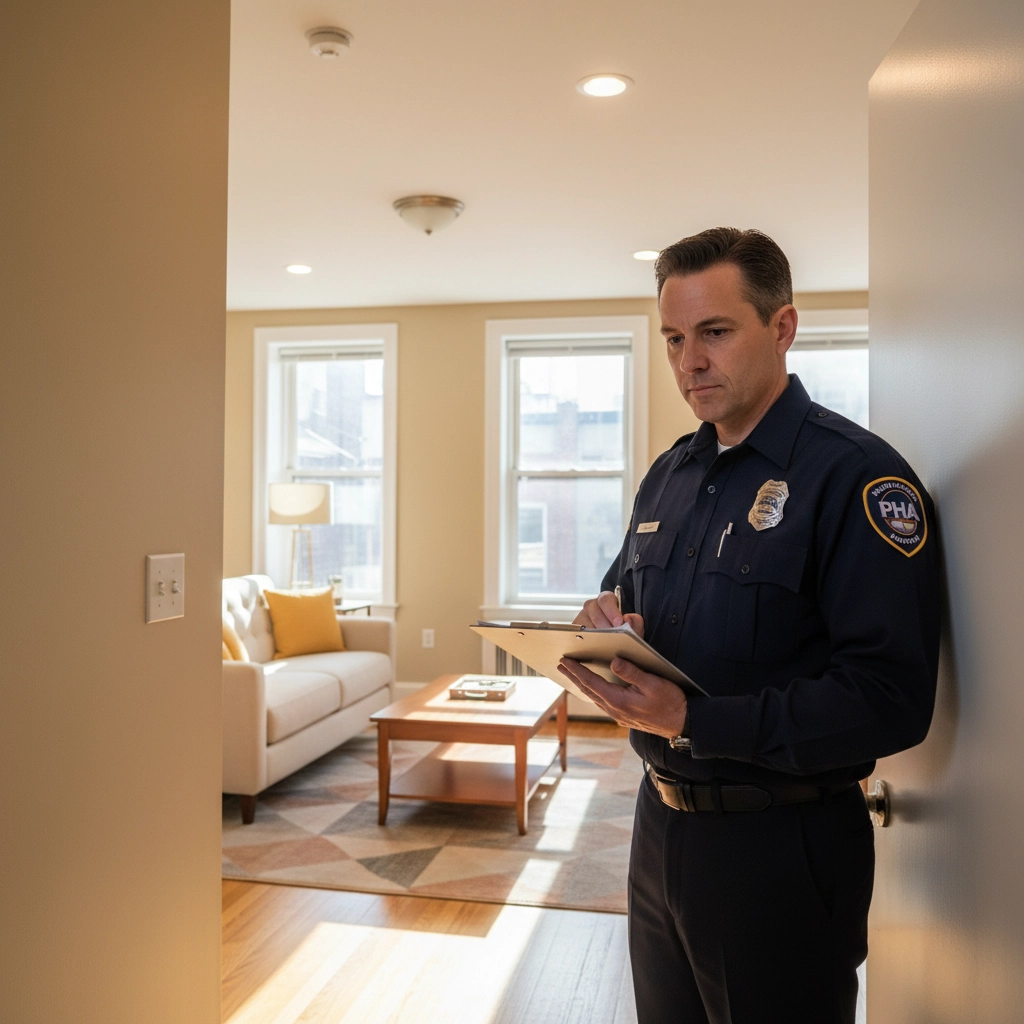
Special Inspections can be called at any time if the PHA receives complaints or notices potential issues. These might focus on specific problem areas rather than the entire unit.
Quality Control Inspections are essentially inspections of inspections – the PHA uses these to ensure their inspection process is accurate and consistent.
For Property-Based Voucher (PBV) units, you'll also deal with turnover inspections for every new family moving in, plus periodic inspections of at least 20% of contract units every two years.
The Complete HQS Inspection Checklist: What Inspectors Actually Look For
PHA inspectors follow a detailed checklist that covers every room and system in your rental unit. Understanding exactly what they're evaluating helps you prepare effectively and avoid common violations.
Living Room Requirements:
- Must be present and designated as living space
- Working light fixtures with proper electrical connections
- At least two electrical outlets (or one outlet plus permanent light fixture)
- Adequate natural or artificial lighting
- Proper ventilation
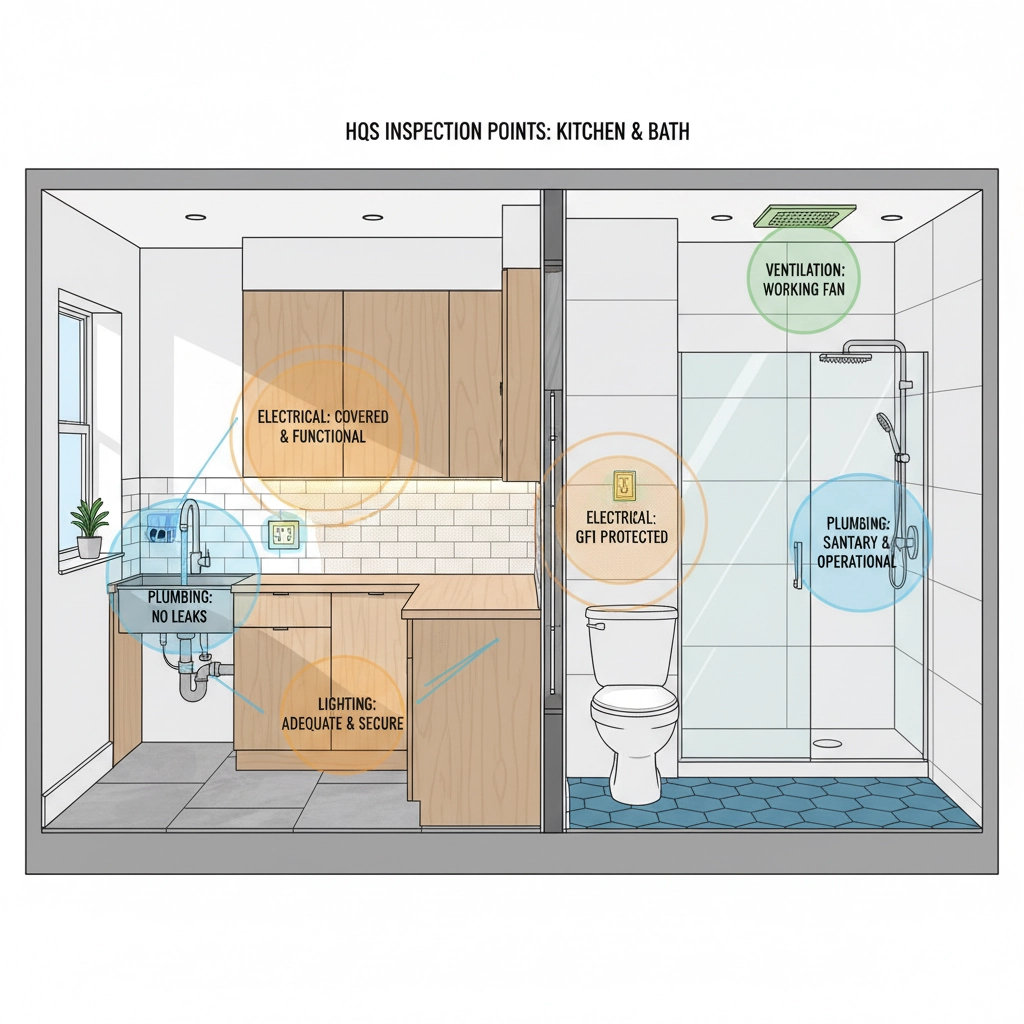
Kitchen Essentials:
- Functional sink with hot and cold water capability
- Adequate electrical outlets near potential appliance locations
- Proper ventilation (window or exhaust fan)
- Sufficient lighting for food preparation
- Safe electrical connections
Bathroom Standards:
- Complete bathroom with working toilet, sink, and bathtub or shower
- Hot and cold running water at all fixtures
- Adequate ventilation (window or exhaust fan)
- Proper electrical outlets with GFCI protection
- Privacy (working door and window covering if needed)
General Safety and Structural Requirements:
Every room gets evaluated for electrical hazards, door and window functionality, ceiling and wall integrity, and flooring condition. Inspectors also check heating and plumbing systems throughout the property, examine building exterior condition, and assess overall health and safety standards.
Secondary Rooms:
Even spaces not used for living (basements, utility rooms, storage areas) must meet basic safety standards. These areas can't have exposed wiring, must be structurally sound, and should be free from health hazards.
Navigating the Inspection Process and Timeline
The PHA schedules annual inspections 120 days before your unit's contract anniversary date, giving you plenty of time to prepare. When your inspection is approaching, you'll receive notifications through the Owner Portal at pha.hcvportal.org, including specific two-hour time windows for the inspection.
If you need to request an inspection yourself – maybe you've completed repairs or have a new tenant moving in – you can call 215-684-3860 or email hcvinspection@pha.phila.gov. Regular inspection requests typically take 2-4 weeks to schedule, but emergency inspections for serious issues like no heat can be expedited.
During the actual inspection, the inspector will methodically go through each room and system, documenting any violations with photos. They'll provide you with a detailed report of any issues that need to be addressed.
Violation Correction: Understanding Your Timeline and Consequences
When violations are identified, your correction timeline depends on the severity of the issues. Emergency violations – things that pose immediate health or safety risks – must be corrected within 24 hours. All other violations give you 30 days to complete repairs.
Here's where many property owners run into trouble: if you don't correct violations within the specified timeframe, the PHA will stop rental subsidy payments. This isn't just a temporary inconvenience – if payments are stopped for more than 60 days, the PHA may require your tenant to move, leaving you with a vacant unit and lost income.
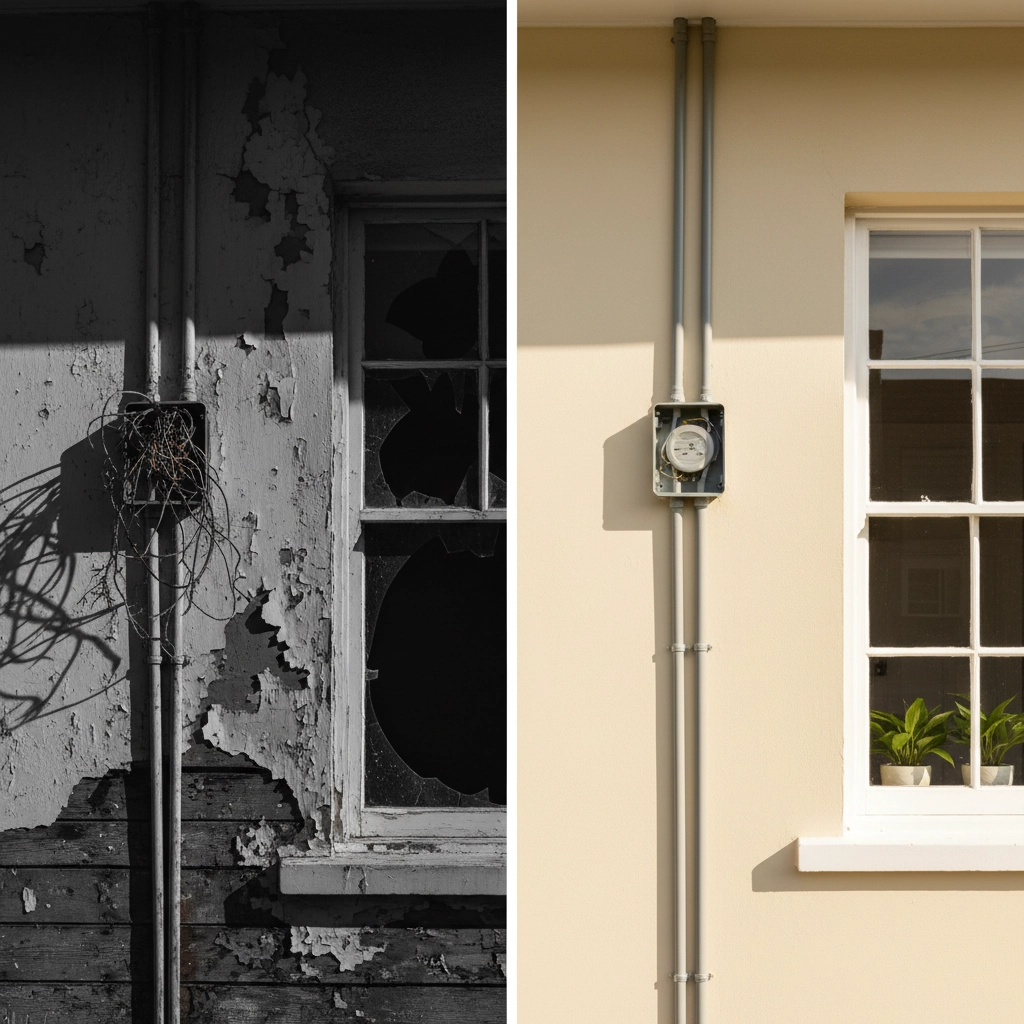
The PHA takes repair quality seriously. Repairs that are deemed insufficient, incomplete, or completed with improper materials will receive a failed rating, extending your timeline and delaying the restoration of rental subsidies.
Preparing Your Property for Success
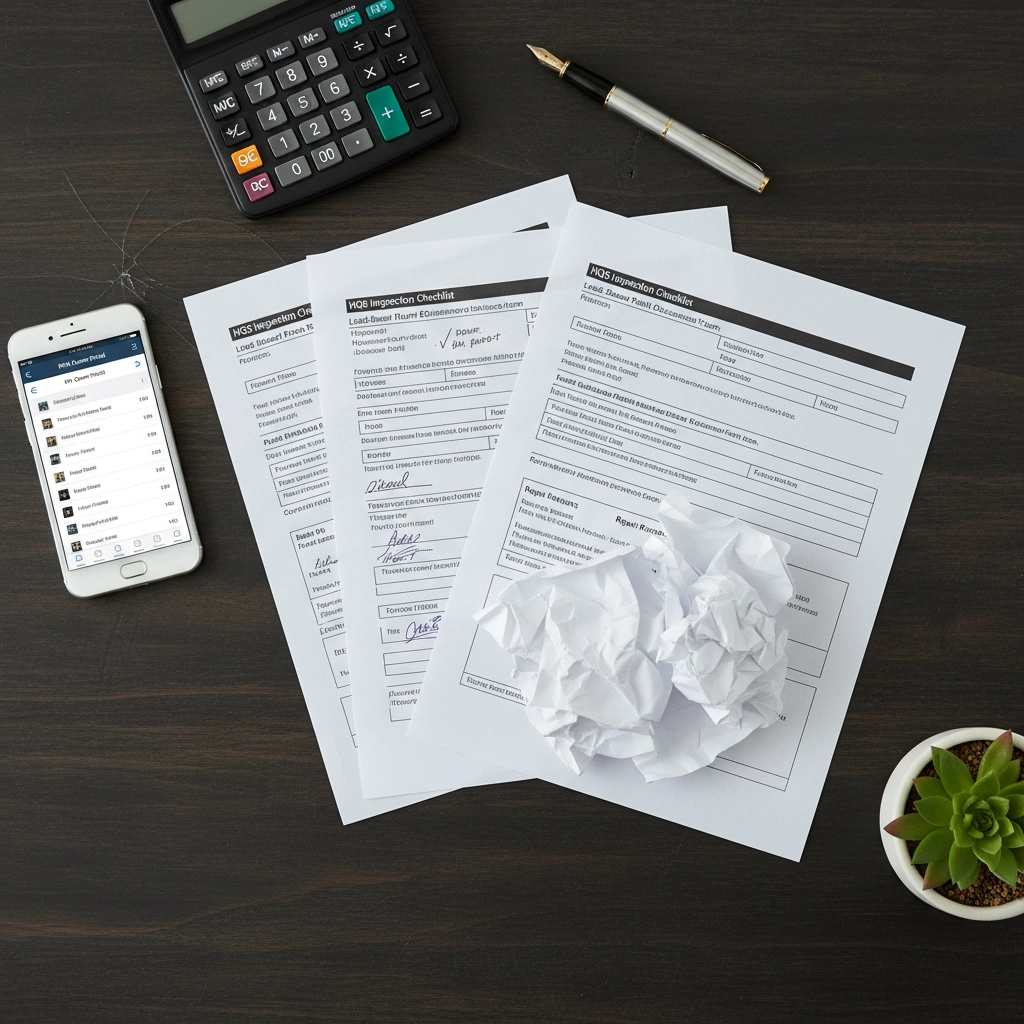
The key to consistently passing PHA inspections is preparation. The PHA provides an HQS Inspection Resource Guide and checklist specifically designed to help property owners understand what inspectors are looking for. Take advantage of these resources to conduct your own pre-inspection assessment.
Pre-Inspection Walk-Through Strategy:
Start in the living room and work systematically through each room, checking every item on the HQS checklist. Test all electrical outlets, run water at every fixture, check that all doors and windows open and close properly, and ensure adequate lighting in every space.
Pay special attention to common violation areas: GFCI outlets in bathrooms, proper ventilation in kitchens and bathrooms, working smoke and carbon monoxide detectors, and any exposed wiring or electrical hazards.
The Owner Portal is your best friend for managing the inspection process. You can submit self-certification photos of completed repairs, review inspection results with photos of identified violations, and communicate directly with the HCV Inspections Department.
Lead Safety Compliance: A Critical Requirement
Don't overlook lead safety requirements – they're a major part of PHA compliance. For every household leasing a unit in both tenant-based and project-based voucher programs, you must provide a completed lead disclosure form and the "Protect Your Family from Lead in Your Home" pamphlet.
This isn't just paperwork – it's a legal requirement that protects both you and your tenants. Make sure you understand your responsibilities regarding lead-based paint in older properties and maintain proper documentation.
Building Strong Relationships with PHA Inspectors
Successful property owners understand that PHA inspections aren't adversarial – inspectors want to see properties pass. Be present during inspections when possible, ask questions about any issues identified, and demonstrate your commitment to maintaining quality housing.
If you disagree with an inspection result, there are proper channels for appeals. However, your time and energy are usually better spent on prompt repair completion and preparation for re-inspection.
Leveraging Professional Property Management for Consistent Compliance
Managing PHA inspections across multiple properties can be overwhelming, especially when you're dealing with different inspection schedules, violation timelines, and tenant coordination. Professional property management services can streamline this process by maintaining inspection schedules, coordinating with contractors for prompt repairs, handling all PHA communication and documentation, and conducting regular property assessments to prevent violations.
The cost of professional management is often offset by reduced vacancy periods, faster violation corrections, and the peace of mind that comes with knowing your properties are consistently compliant.
Your Next Steps for Inspection Success
PHA inspection compliance isn't complicated when you have the right systems in place. Start by downloading the HQS Inspection Resource Guide from the PHA website and conducting a thorough assessment of your current properties using the official checklist.
Create a maintenance schedule that addresses common violation areas before they become problems. Establish relationships with reliable contractors who can respond quickly when repairs are needed. And most importantly, view PHA inspections as an opportunity to maintain high-quality housing that attracts and retains good tenants.
For property owners managing multiple HCV units or those looking to expand their Section 8 portfolio, having professional support can make the difference between consistent rental income and costly vacancy periods. Whether you're dealing with your first PHA inspection or your hundredth, preparation and prompt attention to violations are your keys to long-term success in Philadelphia's rental market.
Remember: every day your property sits with uncorrected violations is money out of your pocket. But with the right preparation and support system, PHA inspections can become a routine part of maintaining profitable rental properties in Philadelphia.
Leave a Reply