Philadelphia Housing Authority (PHA) inspections can make or break your rental property investment. Whether you're managing a single unit or an entire portfolio, failing an HQS (Housing Quality Standards) inspection doesn't just delay your rental income: it can cost you serious money in repairs, re-inspections, and lost rent.
After working with countless property owners across Philadelphia, we've seen the same mistakes happen over and over again. The good news? Most of these issues are completely preventable when you know what to look for.
Mistake #1: Skipping the Pre-Inspection Walk-Through
Here's what happens: You get your PHA inspection notice, mark it on your calendar, and just wait for the inspector to show up. Big mistake.
The Philadelphia Housing Authority actually provides property owners with an HQS Inspection Checklist specifically designed to help you conduct pre-inspections. This checklist covers the most common failure points that trip up property owners during official inspections.
The Fix: Schedule your own walk-through at least two weeks before the official inspection. Go room by room with the PHA checklist in hand. Check the kitchen, bathroom, all living areas, secondary rooms, heating and plumbing systems, building exterior, and general health and safety items.
Think of it as your dress rehearsal. You wouldn't put on a play without practicing first, so why would you risk a rental inspection without doing your homework?
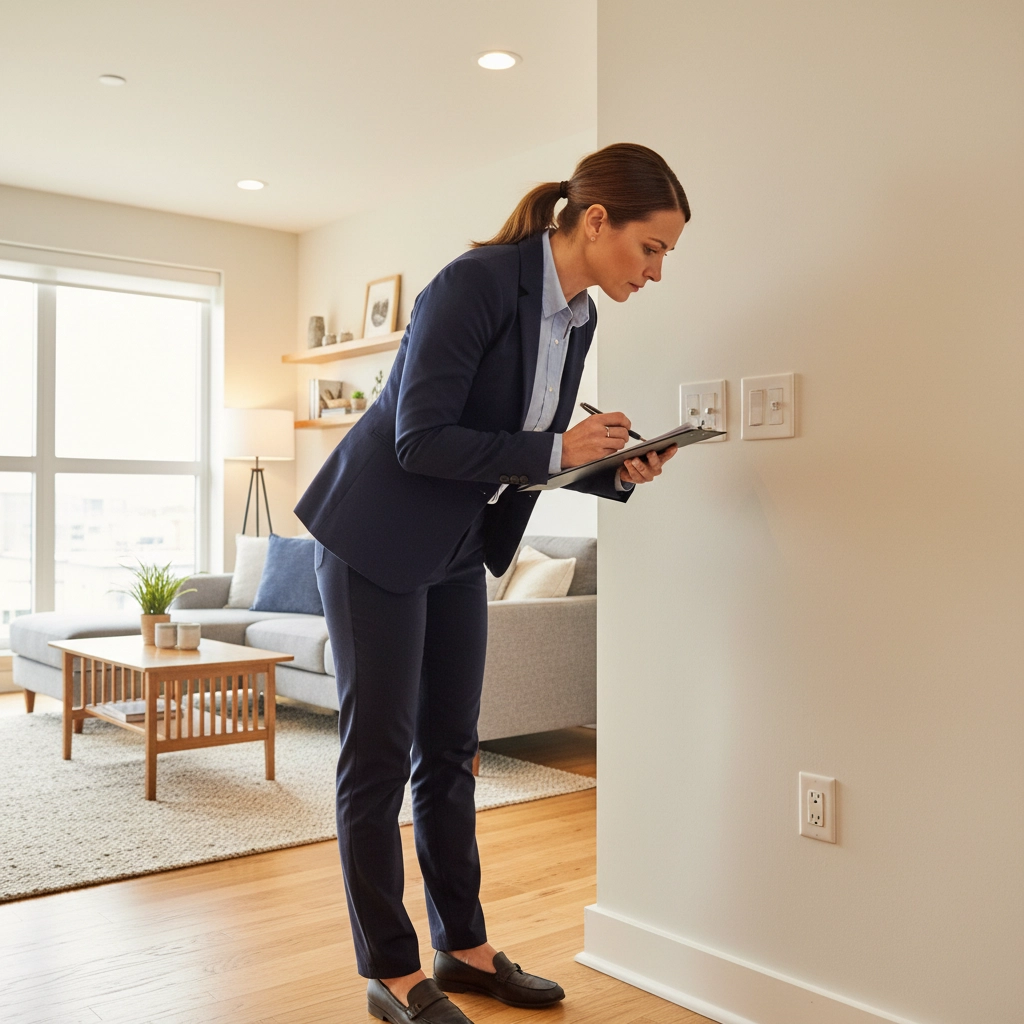
Mistake #2: Rushing Repairs with Poor Quality Work
When property owners discover issues during their pre-inspection (or worse, during the actual inspection), panic sets in. They call the first contractor they can find and rush to get everything fixed as quickly and cheaply as possible.
Here's the problem: PHA inspectors know the difference between proper repairs and patch jobs. According to PHA guidelines, it's the owner's responsibility to ensure repairs are completed sufficiently and timely. Any repairs deemed insufficient, incomplete, or completed with improper materials will receive a failed rating.
The Fix: Plan ahead and use quality contractors. When you find an issue, get it fixed right the first time. This means using proper materials, following building codes, and allowing adequate time for completion. A $100 proper repair now beats a $500 redo later.
Mistake #3: Ignoring Electrical Safety Issues
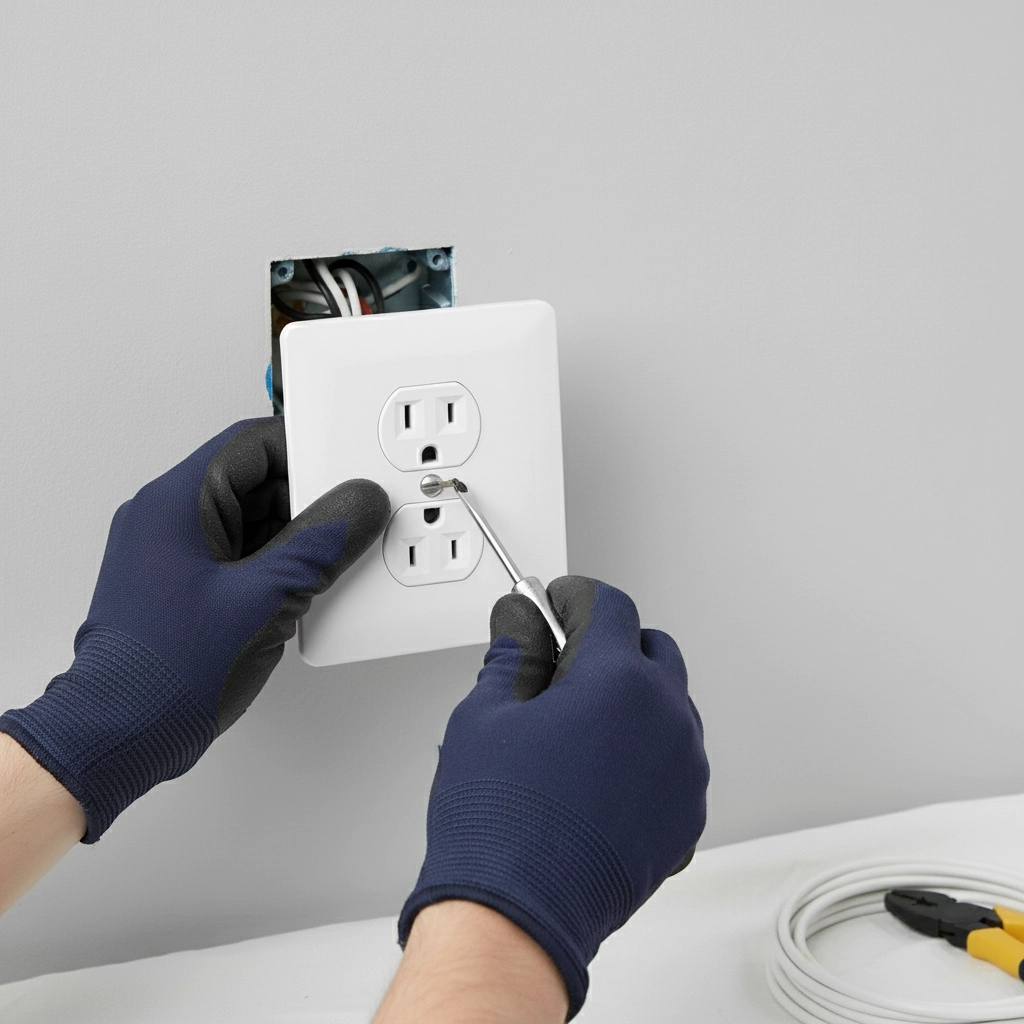
Electrical problems are some of the most common HQS inspection failures, yet they're often the most overlooked during routine property checks. Inspectors frequently find improper electrical connections, missing or broken outlet covers, light fixtures that aren't securely mounted, missing bulbs, and overloaded circuits.
These aren't just inspection failures: they're genuine safety hazards that put your tenants at risk and expose you to liability.
The Fix: Make electrical safety a priority during every property visit. Check that all outlet and switch cover plates are intact and properly secured. Ensure light fixtures are mounted correctly and have working bulbs. Look for signs of overloaded circuits like frequently tripping breakers or warm outlets. For any serious electrical issues, hire a licensed electrician: this isn't the place to cut corners.
Mistake #4: Overlooking Flooring Hazards That Tenants Navigate Daily
You might walk through your property and think the floors look "fine," but PHA inspectors are trained to spot safety issues that could cause tenant injuries. They're looking for tripping hazards like raised edges, open seams, exposed tack strips, and ceramic tiles with sharp edges.
Even more problematic are soft areas of flooring. If there's more than a half-inch of "give" when pressure is applied to the floor, that's an automatic failure. Additionally, all living areas must have proper flooring: bare or painted concrete doesn't meet standards.
The Fix: Walk every square foot of your rental property and test for soft spots, especially near bathrooms, kitchens, and entry doors where water damage is common. Remove any exposed tack strips from carpet installations. Repair or replace damaged flooring rather than just covering problem areas.
Mistake #5: Not Leveraging the PHA Owner Portal
Too many property owners try to manage their PHA inspections through phone calls and paperwork when there's a much more efficient system available. The PHA Owner Portal provides inspection features that can streamline your entire process.
Through the portal, you can view inspection results with photos, submit self-certification photos of completed repairs, request re-inspections, and view upcoming inspection dates with specific two-hour time windows.
The Fix: Set up your PHA Owner Portal account immediately if you haven't already. Sign up for daily inspection notifications to stay on top of scheduling. Use the photo submission feature to document completed repairs: this can speed up the re-inspection process significantly.

Mistake #6: Forgetting Lead Disclosure Requirements
Lead safety compliance isn't optional, but it's surprisingly easy to overlook during the stress of preparing for inspections. Property owners participating in housing assistance programs must provide completed lead disclosure forms and the "Protect Your Family from Lead in Your Home" pamphlet to every household when they lease a unit.
Missing or incomplete lead documentation can derail an otherwise perfect inspection.
The Fix: Create a lead disclosure checklist for every new tenant. Keep completed forms in each property file and ensure you can produce documentation during inspections. If your property was built before 1978, take lead safety seriously: both for compliance and tenant protection.
Mistake #7: Poor Communication and Scheduling Management
Here's a scenario that plays out too often: An inspection is scheduled, but the property owner needs to reschedule at the last minute. They call PHA the day before (or worse, the day of) and expect flexibility.
PHA requires at least 24 hours notice for rescheduling, and they'll only reschedule a limited number of times. Miss too many appointments or fail to provide proper notice, and you could face compliance issues that affect your rental assistance payments.
The Fix: Treat PHA inspections like the important business appointments they are. Mark dates on your calendar as soon as you receive them. If you need to reschedule, do it immediately: don't wait. Keep backup dates available in case your first choice doesn't work.
The Bigger Picture: Why These Mistakes Matter
Each of these mistakes costs you money, but more importantly, they create unnecessary stress and complications in your property management business. When you fail an inspection, you're not just dealing with repair costs: you're managing re-inspection scheduling, potential rent delays, and tenant relations issues.
Professional property managers understand that successful PHA inspections require systematic preparation, quality workmanship, and attention to detail. It's not just about passing an inspection; it's about maintaining safe, compliant properties that protect your investment and provide secure housing for your tenants.

Many property owners find that working with experienced professionals who understand Philadelphia's specific requirements makes the entire process smoother. Whether you need help with pre-inspection preparation, coordinating quality repairs, or managing the documentation process, having the right support team can transform what feels like a stressful ordeal into a manageable part of your business operations.
The key is being proactive rather than reactive. By addressing these seven common mistakes, you're not just improving your chances of passing your next PHA inspection: you're building systems that will serve your property investment well for years to come.
Remember, every failed inspection is a learning opportunity, but it's much better to learn from other people's mistakes than to make costly ones yourself. Take the time to prepare properly, invest in quality repairs, and use available resources like the PHA Owner Portal to stay organized and compliant.
Your future self (and your bank account) will thank you for the extra effort you put in today.
Leave a Reply